
My great-aunt used to make date cake every Christmas, and I remember thinking it looked so fancy with its dark, rich color and the little chunks of dates peeking through each slice. As a kid, I wasn’t sure about it, but one bite changed everything. The incredible moistness, the caramel-like sweetness from the dates, and that tender crumb made it unforgettable. Years later, I asked for her recipe and discovered it was surprisingly simple. Now, this date cake recipe is one I turn to whenever I want to make something special that feels both nostalgic and impressive.
Why You’ll Love This Date Cake Recipe
This date cake recipe creates an incredibly moist cake that stays fresh for days without drying out. The natural sweetness and caramel notes from the dates mean you don’t need excessive sugar, making it less cloying than many desserts. Dates also add wonderful texture and keep the cake tender thanks to their natural moisture content. This cake is incredibly versatile—it works beautifully as a simple afternoon snack with tea, an elegant dinner party dessert, or even a holiday centerpiece. The warm spices complement the dates perfectly, creating a complex flavor profile that tastes sophisticated despite the straightforward preparation. Plus, dates are packed with fiber and natural nutrients, so you can feel a bit better about enjoying a second slice.
What Is Date Cake?
Date cake is a classic dessert featuring chopped dates as the star ingredient, typically combined with warm spices like cinnamon and nutmeg. This date cake recipe creates a dense but tender crumb that’s exceptionally moist thanks to the dates, which break down slightly during baking and distribute their natural sugars throughout. Unlike light, fluffy layer cakes, date cake has a more substantial texture similar to pound cake or carrot cake. The dates themselves soften completely during baking, creating pockets of concentrated sweetness throughout each slice. Many versions include nuts for added texture, and the cake is often finished with a simple glaze, cream cheese frosting, or toffee sauce. This humble cake has British origins but has become beloved in American baking, especially during fall and winter months when its warming spices feel most appropriate.
Common Mistakes to Avoid
The most common error with this date cake recipe is not properly preparing the dates. Dates must be pitted and chopped into relatively small, uniform pieces. Large chunks don’t distribute evenly and can create dense spots in the cake. Always check each date carefully for pits, as even one can ruin someone’s enjoyment of your cake.
Another mistake is skipping the soaking step if your recipe calls for it. Some date cakes require soaking dates in hot water or baking soda solution to soften them. This creates a smoother texture and prevents the dates from absorbing too much moisture from the batter.
Overmixing the batter creates a tough, dense cake. Once you add the flour, mix only until you can’t see dry streaks anymore. A few small lumps are perfectly fine and will disappear during baking.
Using a pan that’s too large or too small affects baking time and texture. This recipe is designed for a specific pan size, so substituting different dimensions requires adjusting baking time and watching carefully for doneness.
Finally, cutting the cake while it’s still warm causes it to crumble and fall apart. Date cake needs adequate cooling time to set properly and achieve the right texture for clean slicing.
How to Know When Your Cake Is Done
A properly baked date cake should have a deep golden-brown top that springs back lightly when touched. The edges will pull away slightly from the pan sides, which is a good visual indicator that it’s nearly ready.
Insert a toothpick or cake tester into the center of the cake. It should come out with just a few moist crumbs clinging to it—not wet batter, but not completely clean either. Because this date cake recipe produces such a moist cake, the toothpick test looks slightly different than with regular cakes.
The cake should feel firm to a gentle touch in the center, not jiggly or liquid underneath the surface. Press very lightly on the top—it should bounce back rather than leave an indentation.
Typical baking time is 45-55 minutes at 350°F, but this varies by oven and pan material. Dark pans bake faster than light-colored ones, so start checking around the 40-minute mark if you’re using dark metal or glass.
The cake will continue setting as it cools, so don’t panic if it seems slightly soft when first removed from the oven.
What to Serve With Date Cake
This date cake recipe is delicious served plain, as the dates provide plenty of sweetness and flavor on their own. However, a simple dusting of powdered sugar over the top adds an elegant finishing touch for special occasions.
Cream cheese frosting pairs beautifully with date cake, creating a tangy contrast to the sweet dates. The combination is similar to carrot cake and feels indulgent without being overwhelming.
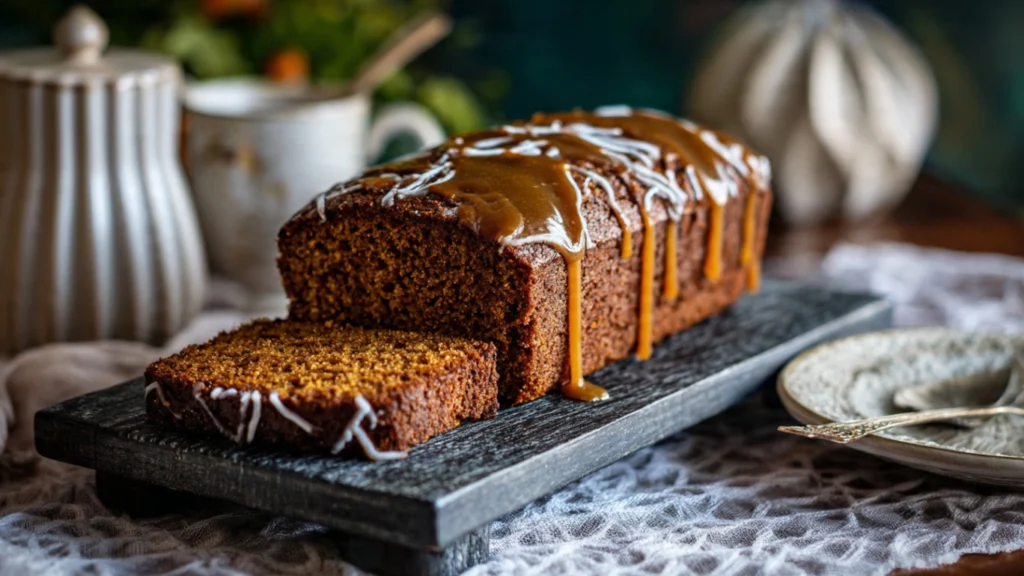
Warm toffee sauce or caramel drizzled over individual slices takes this cake to dessert territory. The sauce amplifies the natural caramel notes in the dates and creates a restaurant-quality presentation.
A dollop of lightly sweetened whipped cream or a scoop of vanilla ice cream provides a cool, creamy contrast to the dense, spiced cake. This is especially nice if you serve the cake slightly warm.
For beverages, this cake pairs wonderfully with strong coffee, English breakfast tea, or hot apple cider. The warm spices in the cake complement these drinks perfectly.
A small handful of chopped toasted walnuts or pecans sprinkled on top before serving adds pleasant crunch and visual appeal.
Storage Tips
Store your date cake tightly wrapped in plastic wrap or in an airtight container at room temperature for up to 4 days. The high moisture content from the dates acts as a natural preservative, keeping the cake fresh longer than typical cakes.
For extended storage, refrigerate the wrapped cake for up to one week. Bring slices to room temperature before serving, or warm them briefly in the microwave for 10-15 seconds to restore the soft texture.
This date cake recipe freezes exceptionally well for up to 3 months. Wrap the entire cake or individual slices tightly in plastic wrap, then aluminum foil. Thaw overnight in the refrigerator or at room temperature for a few hours.
If you’ve frosted the cake, store it in the refrigerator to prevent the frosting from spoiling. Unfrosted cake can stay at room temperature.
The cake actually tastes better the day after baking, as the flavors have time to develop and meld together. Don’t worry if you can’t serve it immediately.
Estimated Nutrition (Per Slice, 12 Servings)
Calories: 285 | Total Fat: 10g | Saturated Fat: 5g | Cholesterol: 50mg | Sodium: 210mg | Total Carbohydrates: 47g | Dietary Fiber: 3g | Sugars: 32g | Protein: 4g
Note: Nutritional information is approximate and varies based on specific ingredients and portion sizes.
Recipe Overview
Prep Time: 15 minutes
Cook Time: 50 minutes
Total Time: 2 hours 5 minutes (including cooling)
Difficulty: Easy
Servings: 12 slices
Ingredients
For the Cake:
- 1½ cups pitted and chopped dates
- 1 cup boiling water
- 1 teaspoon baking soda
- ½ cup unsalted butter, softened
- ¾ cup granulated sugar
- 2 large eggs, room temperature
- 1 teaspoon vanilla extract
- 1¾ cups all-purpose flour
- 1 teaspoon baking powder
- 1 teaspoon ground cinnamon
- ¼ teaspoon ground nutmeg
- ¼ teaspoon salt
- ½ cup chopped walnuts or pecans (optional)
For Optional Topping:
- Powdered sugar for dusting, or your favorite frosting
Step-by-Step Instructions
Step 1: Preheat your oven to 350°F. Grease a 9×9-inch square baking pan or 9-inch round cake pan thoroughly with butter or non-stick spray. Line the bottom with parchment paper for easy removal.
Step 2: Place the chopped dates in a medium heatproof bowl. Pour the boiling water over them, then stir in the baking soda. The mixture will foam up slightly. Set aside to cool for 15 minutes, allowing the dates to soften.
Step 3: While the dates cool, cream together the softened butter and sugar in a large mixing bowl using an electric mixer on medium speed for 3-4 minutes until light and fluffy.
Step 4: Add the eggs one at a time, beating well after each addition. Mix in the vanilla extract until fully incorporated. The mixture should look smooth and creamy.
Step 5: In a separate bowl, whisk together the flour, baking powder, cinnamon, nutmeg, and salt until evenly combined and no lumps remain.
Step 6: Add half of the flour mixture to the butter mixture and stir gently with a wooden spoon or spatula until just barely combined.
Step 7: Add the cooled date mixture (including any liquid) to the batter and fold gently until incorporated. The batter will look quite wet at this stage, which is normal.
Step 8: Add the remaining flour mixture and fold just until no dry streaks remain. Don’t overmix. If using nuts, fold them in now with just a few strokes.
Step 9: Pour the batter into your prepared pan and smooth the top with a spatula. Tap the pan gently on the counter a few times to release any air bubbles.
Step 10: Bake for 45-55 minutes, checking at the 45-minute mark. The cake is done when a toothpick inserted in the center comes out with just a few moist crumbs and the top springs back when lightly touched.
Step 11: Remove from the oven and let the cake cool in the pan on a wire rack for 15 minutes. This prevents it from breaking when you remove it from the pan.
Step 12: Run a knife around the edges of the pan, then invert the cake onto the wire rack. Remove the parchment paper and flip the cake right-side up. Allow it to cool completely before slicing, about 45 minutes.
Slice, serve, and enjoy this wonderfully moist and flavorful treat!