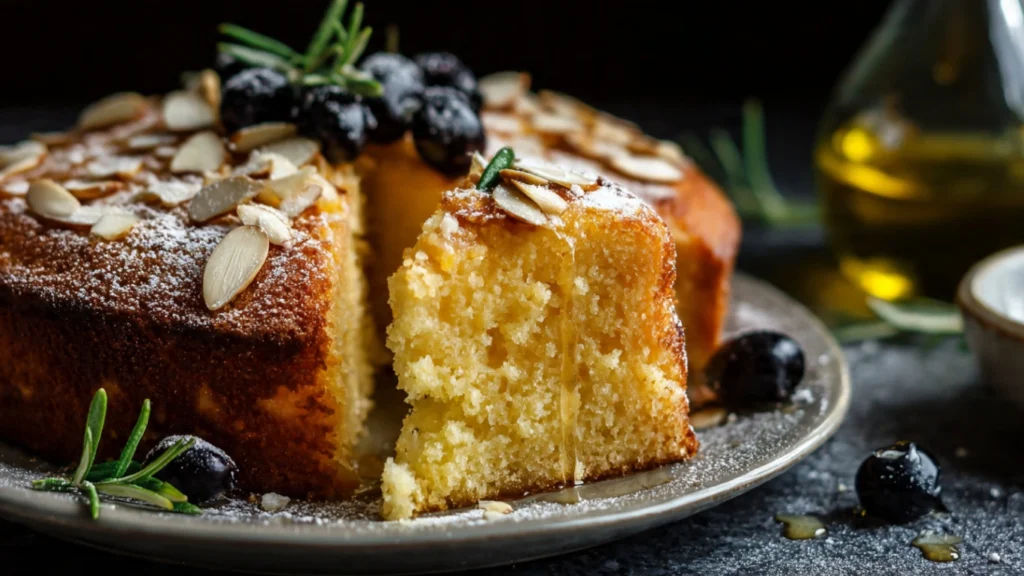
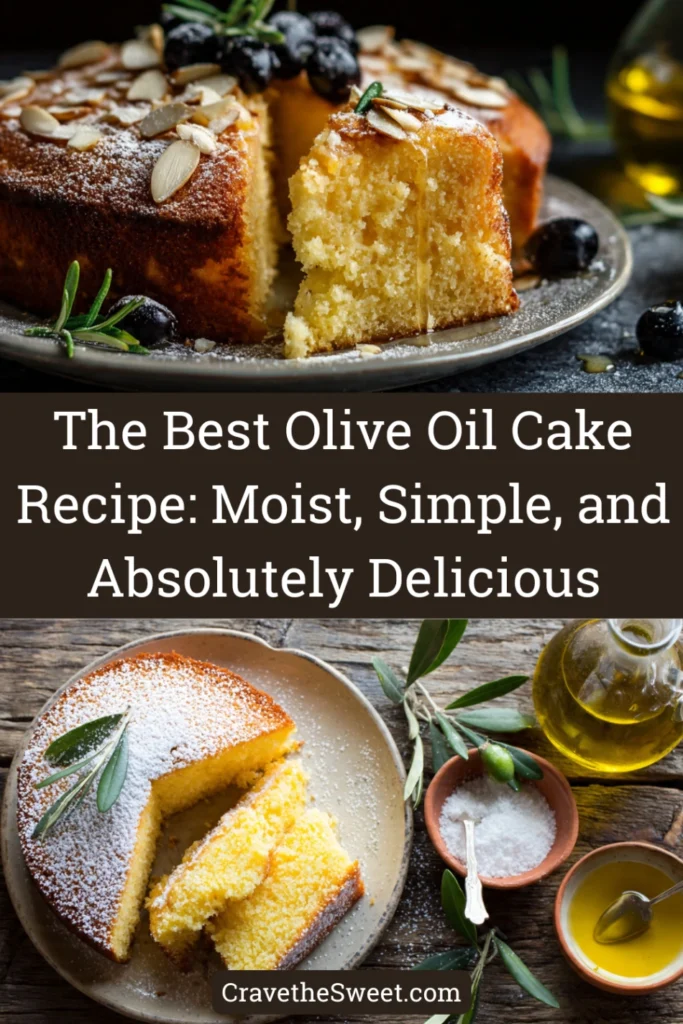
I’ll never forget the first time I tasted olive oil cake at a small Italian bakery. The tender crumb, the citrus notes, and that incredibly moist texture stopped me in my tracks. I asked the baker what made it so special, and she smiled and said, “Good olive oil, that’s the secret.” After plenty of trial and error at home, I perfected this olive oil cake recipe that brings me right back to that sunny afternoon every time I bake it.
Why You’ll Love This Olive Oil Cake Recipe
This olive oil cake recipe is remarkably simple—no fancy equipment needed, just a bowl and a whisk. The olive oil creates an incredibly moist texture that stays fresh for days, unlike butter cakes that dry out quickly. The flavor is sophisticated yet subtle, with a fruity richness that isn’t greasy. It’s naturally dairy-free, making it perfect for friends with dietary restrictions. Serve it for breakfast with coffee, as an afternoon snack, or dressed up with berries for dessert—this cake fits any occasion beautifully.
What Is Olive Oil Cake?
Olive oil cake is a traditional Mediterranean dessert that uses olive oil instead of butter as the primary fat. This creates a uniquely tender, moist crumb with a delicate flavor profile. The olive oil doesn’t make the cake taste like olives—instead, it adds subtle fruity complexity and incredible softness. Traditional versions often include citrus zest, which complements the olive oil perfectly. The cake has a fine, even texture and beautiful golden color. It’s less sweet than typical American cakes, which allows the quality of your ingredients to shine through.
Common Mistakes to Avoid
The biggest mistake people make with this olive oil cake recipe is using low-quality olive oil. Since oil is the star ingredient, cheap or rancid oil will ruin your cake. Choose a good extra virgin olive oil with a mild, fruity flavor—nothing too peppery or bitter.
Another common error is overmixing the batter once you add the flour. This develops too much gluten and creates a tough cake. Mix just until you can’t see dry flour anymore, then stop.
Don’t skip bringing your eggs and milk to room temperature. Cold eggs won’t emulsify properly with the oil, leading to a dense texture.
Many bakers overbake this cake because they’re used to butter cakes. This olive oil cake recipe stays quite moist inside, so don’t wait for a completely clean toothpick. A few moist crumbs are exactly what you want.
How to Know When Your Cake Is Done
Your olive oil cake is perfectly baked when a toothpick inserted into the center comes out with just a few moist crumbs clinging to it—not wet batter, but not bone dry either.
The top should be golden brown and spring back lightly when gently pressed. The edges will just start to pull away from the pan sides.
If you gently shake the pan, the center shouldn’t jiggle like liquid, but should still look slightly soft. The cake should smell fragrant with citrus and have a slight dome in the center.
Remember, this cake continues cooking as it cools, so slightly underdone is better than overdone.
What to Serve With Olive Oil Cake
This versatile cake pairs beautifully with so many accompaniments. For a simple presentation, dust it with powdered sugar and serve with fresh berries—strawberries, raspberries, or blueberries all work wonderfully.
A dollop of whipped cream or a scoop of vanilla ice cream turns it into an elegant dessert. I love it with Greek yogurt and honey for breakfast or brunch.
Citrus segments, especially blood oranges or grapefruit, complement the cake’s flavor perfectly. For something extra special, try it with berry compote or lemon curd.
It’s also absolutely delicious on its own with your afternoon coffee or tea.
Storage Tips
Store the cooled cake wrapped in plastic wrap at room temperature for up to four days—it gets more moist and flavorful after a day or two.
For longer storage, wrap it well and refrigerate for up to one week. You can also freeze individual slices in a freezer bag for up to three months.
Thaw frozen slices at room temperature for about an hour. The oil content acts as a natural preservative, keeping it fresh much longer than butter cakes.
Estimated Nutrition (Per Slice)
Calories: 285 | Fat: 14g | Carbohydrates: 36g | Protein: 4g | Sugar: 20g | Fiber: 1g
Note: Values are approximate and based on 10 servings.
Recipe Overview
Prep Time: 15 minutes
Cook Time: 45 minutes
Total Time: 1 hour
Difficulty: Easy
Servings: 10
Ingredients
- 1¾ cups all-purpose flour
- 1½ cups granulated sugar
- 1½ teaspoons baking powder
- ¾ teaspoon salt
- 3 large eggs, room temperature
- 1¼ cups extra virgin olive oil
- 1¼ cups whole milk, room temperature
- Zest of 2 lemons
- Zest of 1 orange
- 1½ tablespoons fresh lemon juice
- 1½ teaspoons vanilla extract
- Powdered sugar for dusting (optional)
Step-by-Step Instructions
Step 1: Preheat your oven to 350°F and position the rack in the center. Grease a 9-inch round cake pan generously with olive oil or butter, then line the bottom with parchment paper.
Step 2: In a large mixing bowl, whisk together the flour, sugar, baking powder, and salt until well combined. This ensures everything is evenly distributed.
Step 3: In a separate medium bowl, whisk the eggs until light and slightly frothy, about one minute. Add the olive oil, milk, lemon zest, orange zest, lemon juice, and vanilla extract. Whisk everything together until smooth and well combined.
Step 4: Pour the wet ingredients into the dry ingredients. Using a whisk or rubber spatula, gently fold everything together until just combined. Don’t overmix—a few small lumps are fine. The batter will be quite thin and pourable.
Step 5: Pour the batter into your prepared pan and tap it gently on the counter a few times to release any air bubbles.
Step 6: Bake for 40 to 45 minutes, until the top is golden and a toothpick inserted in the center comes out with moist crumbs. The cake should spring back when lightly pressed.
Step 7: Let the cake cool in the pan for 15 minutes, then carefully turn it out onto a wire rack. Remove the parchment paper.
Step 8: Let the cake cool completely before slicing, at least 1 hour. This cooling time is crucial for the texture to fully develop.
Step 9: Once completely cool, transfer to a serving plate. Just before serving, dust with powdered sugar if desired.
Step 10: Slice with a sharp knife, wiping the blade between cuts. Serve with your favorite accompaniments or enjoy it plain.
This olive oil cake recipe creates a stunning dessert perfect for any occasion!