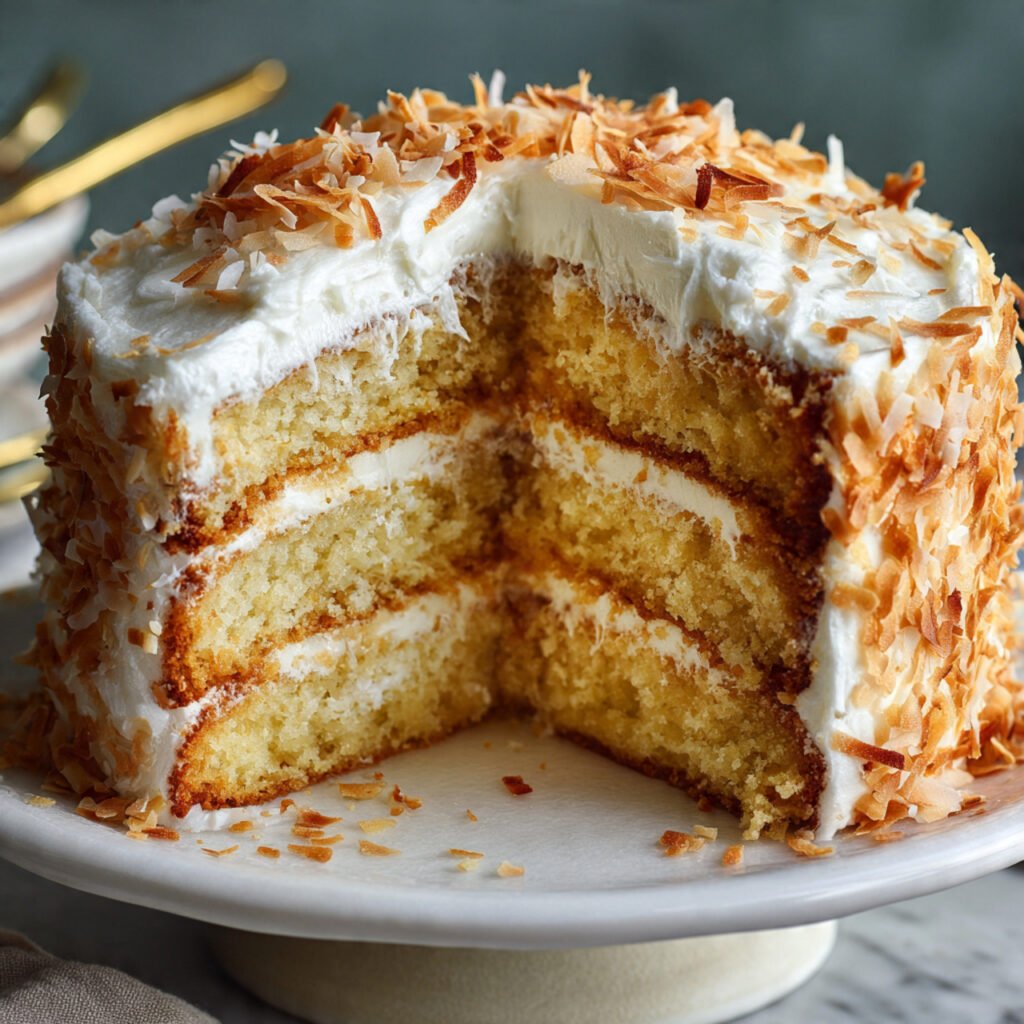
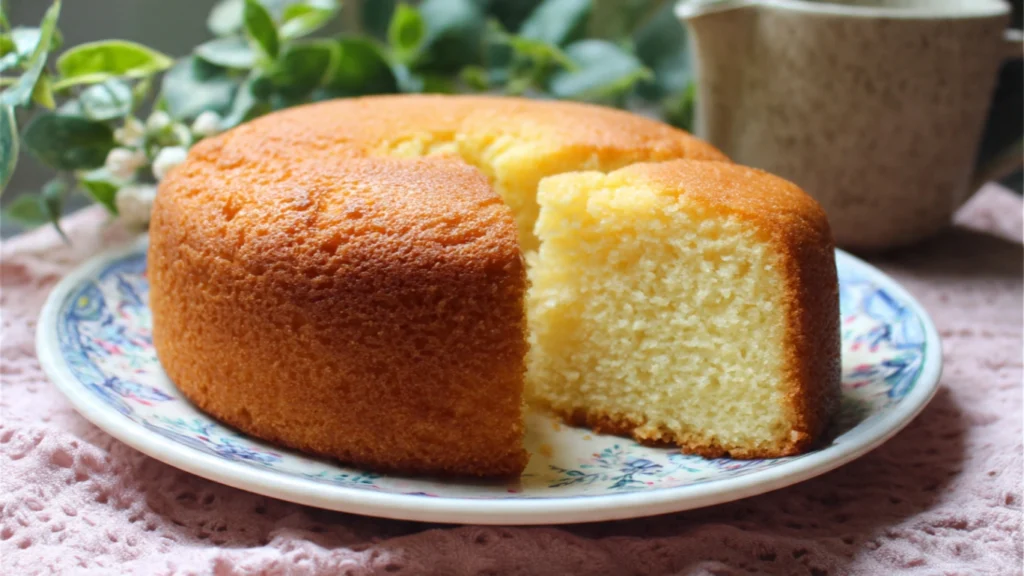
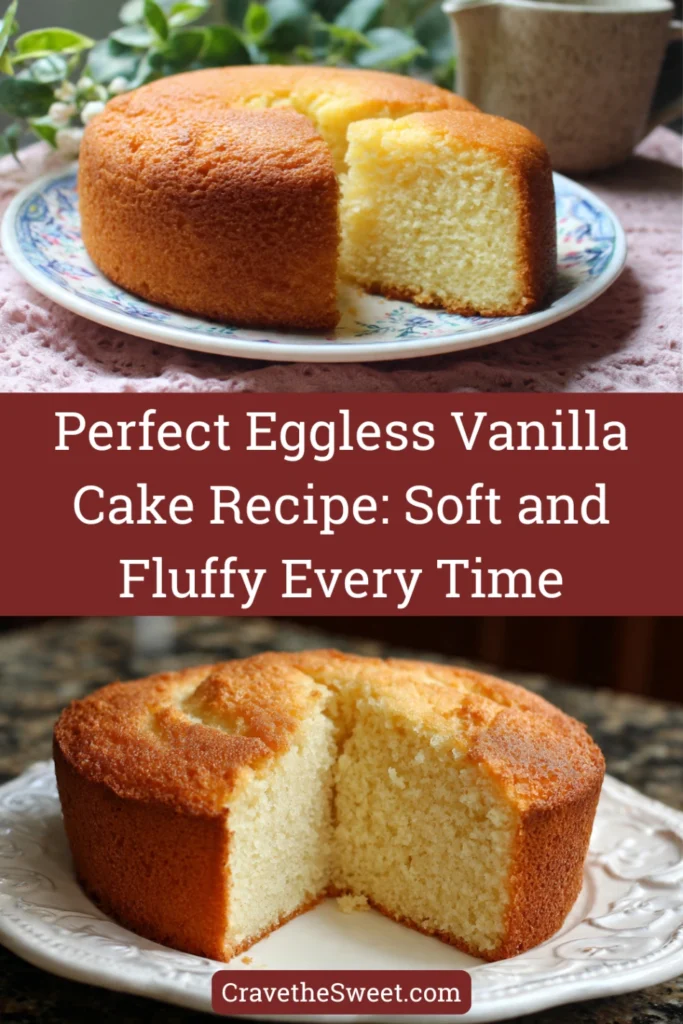
When my friend became vegan, I was determined to find a cake recipe she could enjoy that didn’t taste “different” or compromise on texture. I tested countless eggless vanilla cake recipes before discovering this one, which produces a cake so moist and tender that nobody can tell it’s egg-free. The first time I brought it to a party, people were shocked when I revealed there were no eggs—they’d assumed it was a regular cake. Now this eggless vanilla cake recipe is my go-to for all occasions, not just for my vegan friends. It’s simpler than traditional cakes, stays fresh longer, and tastes absolutely delicious. Plus, I never have to worry about running out of eggs when a baking craving hits.
Why You’ll Love This Eggless Vanilla Cake Recipe
This eggless vanilla cake recipe creates an incredibly soft, fluffy cake with perfect crumb and no eggy taste that some people find off-putting in regular cakes. The texture rivals any traditional cake—moist and tender with excellent structure that holds up to frosting and decorating. It’s perfect for vegans, people with egg allergies, or anyone avoiding eggs for religious or dietary reasons. The recipe is actually simpler than egg-based cakes since you don’t need to worry about room temperature eggs or careful incorporation techniques. The ingredients are pantry staples you likely already have, and the method is straightforward—just mix, pour, and bake. The cake stays fresh and moist for days longer than egg-based cakes thanks to the vinegar and oil combination. It’s incredibly versatile, working beautifully as a base for layer cakes, cupcakes, or sheet cakes. Best of all, the pure vanilla flavor shines through without any competing egg taste, making it perfect for showcasing frostings and fillings.
What Is Eggless Vanilla Cake?
Eggless vanilla cake is a cake made without eggs, using alternative ingredients to achieve structure, moisture, and leavening that eggs normally provide. This eggless vanilla cake recipe uses a combination of baking soda, vinegar, and baking powder to create lift and tenderness without eggs. The vinegar reacts with baking soda to create carbon dioxide bubbles that make the cake rise, while oil provides moisture and fat for a tender crumb. The result is a light, fluffy vanilla cake that’s indistinguishable from traditional cakes in taste and texture. Eggless baking has long traditions in various cultures, particularly in Indian baking where vegetarian diets are common. The technique gained broader popularity with the rise of vegan baking and increasing awareness of egg allergies. Good eggless vanilla cake should be moist without being dense, with a fine, even crumb and delicate vanilla flavor. It should hold its shape when sliced and provide a perfect base for any frosting or decoration.
Common Mistakes to Avoid
The biggest mistake with this eggless vanilla cake recipe is overmixing the batter after adding the vinegar. Mix just until combined—overmixing deflates the bubbles created by the vinegar-baking soda reaction.
Using expired baking soda or baking powder means the cake won’t rise properly. These leavening agents lose potency over time, so check expiration dates and replace if old.
Skipping the vinegar or substituting it changes the chemistry completely. The vinegar is essential for leavening and moisture—don’t leave it out.
Opening the oven door during the first 20 minutes of baking causes the cake to collapse. The structure is still setting, and temperature changes are devastating.
Not using enough vanilla extract creates bland cake. Eggless cakes need extra vanilla since there’s no egg flavor to provide depth.
Using melted butter instead of oil makes the cake denser and less tender. Oil creates a lighter, moister texture in eggless baking.
Finally, overbaking makes this naturally moist cake dry. Better to slightly underbake than overbake—it continues cooking as it cools.
How to Know When Your Cake Is Done
The cake should be golden brown on top with no pale or wet-looking spots. The color should be even across the entire surface.
Insert a toothpick into the center of the cake. It should come out clean or with just a few dry crumbs attached, not wet batter.
When you lightly press the center, it should spring back immediately. If your finger leaves an indentation, the cake needs more time.
The edges should pull away slightly from the pan sides, which indicates the cake has set and is ready to come out.
This eggless vanilla cake recipe typically requires 30-35 minutes at 350°F. Start checking at 28 minutes, as oven temperatures vary.
The cake should smell wonderfully of vanilla when done. That sweet, aromatic scent filling your kitchen is a good indicator.
After removing from the oven, the cake should hold its domed shape without sinking in the middle. If it collapses, it wasn’t baked long enough.
What to Serve With Eggless Vanilla Cake
This eggless vanilla cake recipe is incredibly versatile and pairs with virtually any frosting. Classic buttercream, cream cheese frosting, or chocolate ganache all work beautifully.
Fresh berries and whipped cream create a simple, elegant presentation perfect for summer gatherings or afternoon tea.
Serve with vanilla ice cream and chocolate sauce for an indulgent plated dessert that appeals to all ages.
Layer with fruit preserves and mascarpone for an Italian-inspired trifle that showcases the cake’s tender texture.
Top with caramel sauce and toasted nuts for a sophisticated flavor combination that adults particularly enjoy.
Serve plain slices with hot tea or coffee for a simple afternoon snack. The cake is delicious enough to enjoy unfrosted.
Use as a base for elaborate decorated cakes—the sturdy yet tender texture holds up well to heavy frostings and fondant.
Storage Tips
Store eggless vanilla cake covered at room temperature for up to 4 days. The cake actually stays fresh longer than egg-based cakes thanks to the vinegar and oil.
For longer storage, refrigerate the cake for up to 1 week. Wrap tightly in plastic wrap to prevent it from absorbing refrigerator odors.
Bring refrigerated cake to room temperature for 30 minutes before serving for the best flavor and texture.
This eggless vanilla cake recipe freezes beautifully for up to 3 months. Wrap unfrosted layers tightly in plastic wrap, then aluminum foil.
Thaw frozen cake overnight in the refrigerator, still wrapped, to prevent condensation from forming on the surface.
If frosted, freeze the cake uncovered until the frosting is solid, then wrap tightly. This prevents the frosting from sticking to the wrapping.
Individual slices can be wrapped and frozen separately for easy single servings whenever you want a quick dessert.
Estimated Nutrition (Per Slice, 10 Servings)
Calories: 245 | Total Fat: 10g | Saturated Fat: 1.5g | Cholesterol: 0mg | Sodium: 240mg | Total Carbohydrates: 36g | Dietary Fiber: 1g | Sugars: 20g | Protein: 3g
Note: Nutritional information is approximate and for unfrosted cake only.
Recipe Overview
Prep Time: 10 minutes
Cook Time: 32 minutes
Total Time: 1 hour 30 minutes (including cooling)
Difficulty: Easy
Servings: 10 slices
Ingredients
- 1½ cups all-purpose flour
- 1 cup granulated sugar
- 1 teaspoon baking soda
- ½ teaspoon salt
- 1 cup water (room temperature)
- ⅓ cup vegetable oil
- 1 tablespoon white vinegar
- 2 teaspoons vanilla extract
Step-by-Step Instructions
Step 1: Preheat your oven to 350°F. Grease an 8-inch or 9-inch round cake pan and line the bottom with parchment paper. Grease the parchment as well.
Step 2: In a large mixing bowl, whisk together flour, sugar, baking soda, and salt until well combined and no lumps remain.
Step 3: In a separate bowl or large measuring cup, combine water, oil, and vanilla extract. Whisk together until well mixed.
Step 4: Pour the wet ingredients into the dry ingredients. Stir with a wooden spoon or spatula until just combined. The batter should be smooth with no dry pockets of flour.
Step 5: Add the vinegar to the batter and quickly stir it in with just a few strokes. You’ll see bubbles forming as the vinegar reacts with the baking soda—this is creating the leavening.
Step 6: Immediately pour the batter into the prepared pan. Work quickly once the vinegar is added to preserve the bubbles.
Step 7: Gently tap the pan on the counter 2-3 times to release any large air bubbles trapped in the batter.
Step 8: Place the pan in the preheated oven and bake for 30-35 minutes without opening the oven door.
Step 9: Start checking for doneness at 28 minutes by inserting a toothpick in the center. It should come out clean or with just a few dry crumbs.
Step 10: When done, remove the cake from the oven and let it cool in the pan for 10 minutes on a wire rack.
Step 11: Run a knife around the edges of the pan to loosen the cake. Invert onto the wire rack, remove the parchment paper, then flip right-side up.
Step 12: Let the cake cool completely before frosting, about 1 hour. The cake is fragile when warm but firms up beautifully as it cools.
Enjoy this tender, fluffy cake that proves you don’t need eggs for amazing results!