
The smell of cinnamon and sugar baking in the oven takes me back to Saturday mornings at my aunt’s house. She’d wake up early to make cinnamon rolls from scratch, and by the time we stumbled into the kitchen, the whole house smelled like heaven. Those warm, gooey rolls with cream cheese frosting were worth waking up for. I thought they were too complicated to make myself until I finally tried. Now, this cinnamon roll recipe is my go-to for special breakfasts, and I’m excited to share it with you.
Why You’ll Love This Cinnamon Roll Recipe
These homemade cinnamon rolls are incredibly soft and fluffy with layers of buttery cinnamon sugar swirled throughout. The dough is surprisingly easy to work with, even if you’ve never made yeast bread before. Unlike store-bought versions loaded with preservatives, these rolls use simple ingredients you probably already have in your kitchen. The cream cheese frosting adds the perfect tangy sweetness that balances the rich cinnamon filling beautifully. What really makes this recipe special is how your entire home fills with that irresistible bakery aroma. They’re perfect for holiday mornings, birthday breakfasts, or any time you want to make someone feel extra loved. Plus, you can prepare the dough the night before and bake them fresh in the morning.
What Are Cinnamon Rolls?
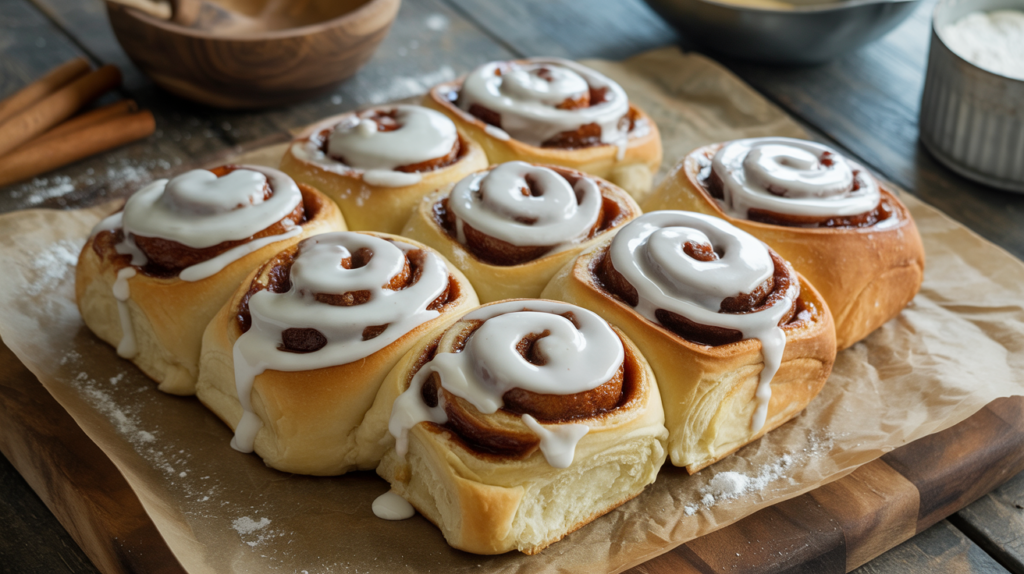
Cinnamon rolls are sweet yeast rolls filled with cinnamon, sugar, and butter, then rolled into a spiral shape and baked until golden. They originated in Sweden as “kanelbullar” but became an American breakfast staple with our own twist—generous amounts of frosting dripping down the sides. The dough is enriched with milk, butter, and eggs, making it tender and slightly sweet. After the first rise, you roll it into a rectangle, spread it with softened butter, sprinkle on the cinnamon sugar mixture, then roll it up tightly. Slicing the log reveals those beautiful spiral layers. During baking, the butter and sugar melt together, creating caramelized pockets of sweetness. The final touch is a thick layer of cream cheese frosting spread over the warm rolls. This cinnamon roll recipe creates that bakery-quality texture at home.
Common Mistakes to Avoid
Even though this cinnamon roll recipe is beginner-friendly, certain mistakes can affect your results. The most common error is using water that’s too hot for the yeast. Water between 105 and 110 degrees Fahrenheit is ideal—too hot kills the yeast, too cold prevents activation. If you don’t have a thermometer, the water should feel like a warm bath on your wrist.
Another mistake is not allowing enough rise time. Yeast needs warmth and patience to do its work. Rushing this step results in dense, heavy rolls instead of fluffy ones. If your kitchen is cold, place the dough in a turned-off oven with the light on or near a warm window. Don’t add extra flour while kneading unless absolutely necessary. The dough should be slightly sticky—adding too much flour creates tough, dry rolls.
Many people also roll the dough too loosely or too tightly. A loose roll means gaps between layers, while rolling too tight can squeeze out the filling. Aim for a snug but not compressed roll. When slicing, use unflavored dental floss or a very sharp knife in a gentle sawing motion. Pressing down with a dull knife squishes the rolls and ruins those pretty spirals. Finally, don’t skip greasing your pan well. These rolls are sticky and need proper preparation to release cleanly.
How to Know Your Cinnamon Rolls Are Done
Perfectly baked cinnamon rolls have several telltale signs. The tops should be golden brown with slightly darker edges. When you gently press the center of a roll, it should spring back slowly but not leave a deep indentation. If your finger leaves a dent that stays, they need more time.
The internal temperature should reach 190 degrees Fahrenheit if you’re using a thermometer. Insert it into the center roll without touching the pan. You’ll also notice the rolls have puffed up significantly and are touching each other—this is perfect because they support each other while baking and stay extra soft.
The edges pulling away slightly from the pan is another good indicator. You might see some of the filling bubbling around the edges, creating those delicious caramelized bits. The aroma will be overwhelmingly sweet and cinnamony, filling your entire home. If you’re unsure, it’s better to bake an extra minute or two than to underbake. Underbaked rolls will be doughy in the center, while properly baked ones are soft but fully cooked through.
What to Serve With Cinnamon Rolls
This cinnamon roll recipe creates a rich, sweet breakfast that pairs wonderfully with savory sides. Scrambled eggs with cheese provide a nice protein balance to the sweet rolls. Crispy bacon or breakfast sausage adds a salty contrast that many people love. For a lighter option, serve fresh fruit like strawberries, blueberries, or orange slices on the side.
Coffee is the classic beverage pairing—the slight bitterness cuts through the sweetness perfectly. A vanilla latte or cappuccino complements the cinnamon flavors beautifully. For non-coffee drinkers, cold milk is traditional and delicious. Hot chocolate works wonderfully for kids or on cold winter mornings. Fresh-squeezed orange juice adds brightness to the meal.
If you’re serving these for brunch, consider adding a simple fruit salad, yogurt parfaits, or a breakfast casserole for variety. The beauty of this recipe is that the rolls are substantial enough to be the star of the meal, with just a few simple sides to round things out. They’re also perfect on their own with a hot beverage for a cozy afternoon treat.
Storage and Make-Ahead Tips
Proper storage keeps your cinnamon rolls fresh and delicious. Once completely cooled, store unfrosted rolls in an airtight container at room temperature for up to two days. If you’ve already added frosting, refrigerate them in a covered container for up to five days. To reheat, microwave individual rolls for 15 to 20 seconds or warm them in a 300-degree oven for about 10 minutes.
For longer storage, freeze the baked and cooled rolls without frosting. Wrap each roll individually in plastic wrap, then place them all in a freezer bag. They’ll keep for up to three months. Thaw overnight in the refrigerator, then warm and frost before serving. You can also freeze the frosting separately in an airtight container.
The best make-ahead method is preparing the rolls the night before. After cutting the rolls and placing them in the pan, cover tightly with plastic wrap and refrigerate overnight. In the morning, let them sit at room temperature for 30 to 45 minutes while your oven preheats. They’ll finish rising and bake up beautifully. This timing means you can serve fresh, warm cinnamon rolls without waking up at dawn. The dough can also be frozen after the first rise, then thawed, rolled out, and filled when you’re ready.
Estimated Nutrition Information
Each cinnamon roll from this recipe contains approximately 420 calories. You’ll get about 7 grams of protein from the milk, eggs, and flour, along with 58 grams of carbohydrates from the flour and sugars. The fat content is around 18 grams, coming from butter, milk, and cream cheese in the frosting.
One roll provides about 25 grams of sugar, which includes both the filling and frosting. The sodium content is roughly 280 milligrams per roll. You’ll also get small amounts of calcium and iron from the enriched flour and dairy products.
These numbers are estimates based on making 12 rolls from the recipe. Actual nutrition will vary depending on the size of your rolls and how generously you apply the frosting. If you’re looking to reduce calories, you can make the frosting thinner or use less of it. However, remember that this cinnamon roll recipe is meant to be an indulgent treat for special occasions, not an everyday breakfast.
Recipe Overview
Prep Time: 30 minutes
Rise Time: 1 hour 45 minutes
Bake Time: 25 minutes
Total Time: 2 hours 40 minutes
Difficulty: Medium
Servings: 12 large rolls
Ingredients
For the dough:
- 1 cup whole milk, warmed
- 2 and 1/4 teaspoons active dry yeast (one packet)
- 1/4 cup granulated sugar
- 4 tablespoons unsalted butter, melted
- 1 large egg, room temperature
- 1 teaspoon salt
- 3 and 1/2 cups all-purpose flour
For the filling:
- 6 tablespoons unsalted butter, softened
- 3/4 cup light brown sugar, packed
- 2 tablespoons ground cinnamon
- 1/4 teaspoon salt
For the cream cheese frosting:
- 4 ounces cream cheese, softened
- 3 tablespoons unsalted butter, softened
- 1 and 1/2 cups powdered sugar
- 1 teaspoon vanilla extract
- 2-3 tablespoons milk
Step-by-Step Instructions
Begin by warming your milk to about 110 degrees Fahrenheit. Pour it into the bowl of a stand mixer or a large mixing bowl. Sprinkle the yeast over the warm milk and add one tablespoon of the sugar. Stir gently and let it sit for five to ten minutes until it becomes foamy. This proves your yeast is alive and active.
Add the remaining sugar, melted butter, egg, and salt to the yeast mixture. Stir everything together until combined. If using a stand mixer, attach the dough hook. Add three cups of flour and mix on low speed until a shaggy dough forms. Gradually add the remaining half cup of flour, a little at a time, until the dough pulls away from the sides of the bowl. The dough should be soft and slightly sticky but manageable.
Knead the dough for about five minutes in the mixer or eight minutes by hand on a lightly floured surface. The dough is ready when it’s smooth, elastic, and springs back when poked. Form it into a ball and place it in a greased bowl, turning once to coat all sides. Cover with a clean kitchen towel or plastic wrap.
Let the dough rise in a warm spot for one hour to one hour and fifteen minutes, until it doubles in size. While waiting, make your filling by mixing the softened butter, brown sugar, cinnamon, and salt in a small bowl until it forms a spreadable paste.
Once the dough has doubled, punch it down gently to release air. Transfer it to a lightly floured surface and roll it into a large rectangle, about 14 by 9 inches. The dough should be about a quarter-inch thick. Try to keep the edges as straight as possible for even rolls.
Spread the cinnamon filling evenly over the dough, leaving a half-inch border along one long edge. This clean edge helps seal the roll. Starting from the opposite long edge, roll the dough tightly but gently toward the clean edge. When you reach the end, pinch the seam closed.
Position the log seam-side down. Using dental floss or a sharp serrated knife, cut the log into 12 equal pieces. Dental floss works brilliantly—slide it under the log, cross the ends over the top, and pull to slice cleanly through.
Grease a 9 by 13 inch baking pan generously with butter. Arrange the rolls cut-side up in the pan, spacing them slightly apart. They’ll expand and touch as they rise and bake. Cover the pan with a towel and let the rolls rise for another 30 to 45 minutes until puffy.
Preheat your oven to 350 degrees Fahrenheit during the last 15 minutes of rising time. When the rolls look puffy and have expanded, bake them for 23 to 27 minutes until golden brown on top. The centers should be fully cooked and the edges slightly darker.
While the rolls bake, prepare the frosting. Beat the softened cream cheese and butter together until smooth and creamy. Add the powdered sugar, vanilla, and two tablespoons of milk. Beat until fluffy, adding more milk if needed to reach a spreadable consistency.
Remove the rolls from the oven and let them cool in the pan for about five minutes. While they’re still warm, spread the cream cheese frosting generously over the top. The warmth will make the frosting melt slightly into the rolls, creating extra gooiness.
Serve these cinnamon rolls warm and watch them disappear. The combination of soft, fluffy dough, sweet cinnamon swirls, and tangy cream cheese frosting makes this cinnamon roll recipe absolutely irresistible. Every bite is pure comfort and sweetness.