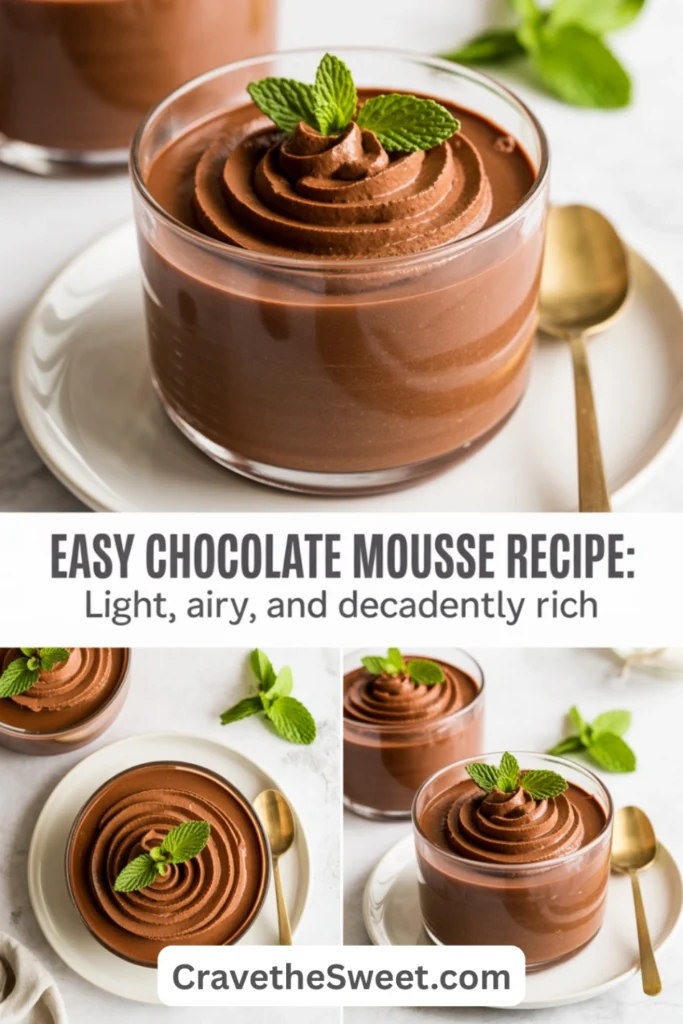
Easy Chocolate Mousse Recipe: Light, Airy, and Decadently Rich
I ordered chocolate mousse at a fancy French restaurant on my first anniversary, and one spoonful completely changed my understanding of dessert. It was impossibly light yet intensely chocolatey, melting on my tongue like a cloud. I assumed something that elegant required professional training to make. Years later, a friend shared her simple technique, and I realized chocolate mousse was actually easier than most cakes. Now this chocolate mousse recipe is my secret weapon for impressing dinner guests while spending less than twenty minutes in the kitchen.
Why You’ll Love This Chocolate Mousse Recipe
This dessert delivers restaurant-quality elegance with minimal effort. The texture is incredibly light and airy, almost like eating chocolate-flavored clouds, yet the flavor is deeply rich and satisfying. You need only five ingredients, and there’s no baking required, making this perfect for hot summer days when you don’t want to turn on the oven.
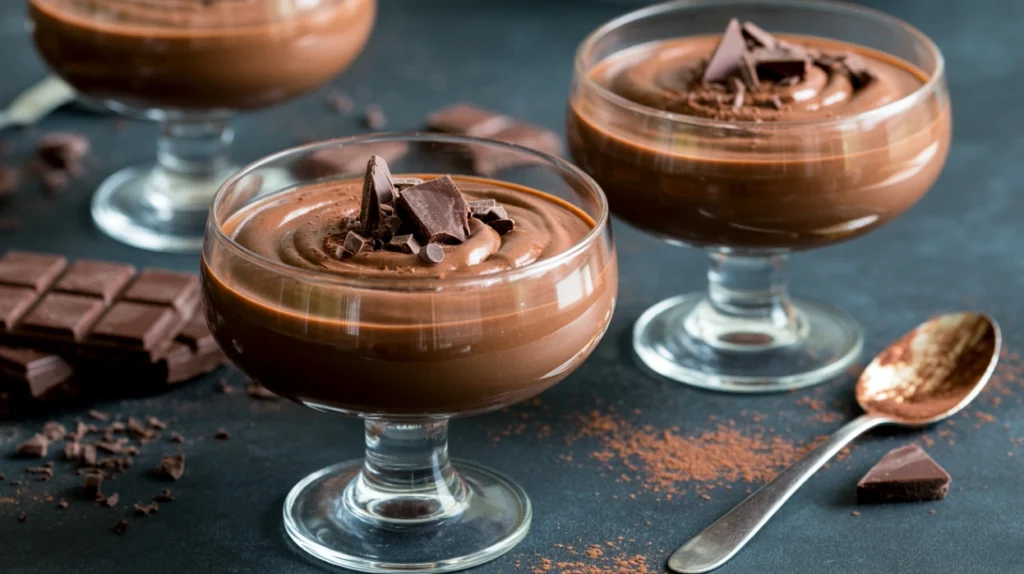
What makes this chocolate mousse recipe special is its versatility. Serve it in elegant wine glasses for dinner parties, or scoop it into small ramekins for casual family desserts. It looks impressive enough for special occasions but easy enough for weeknight treats. The mousse can be made ahead and chilled until serving time, which reduces stress when entertaining. Best of all, a small serving satisfies chocolate cravings completely because the flavor is so intense and the texture so luxurious. Unlike heavy cakes or dense brownies, this mousse feels light and sophisticated while still being indulgent.
What Is Chocolate Mousse?
Chocolate mousse is a classic French dessert known for its airy, creamy texture. The name “mousse” comes from the French word for foam, perfectly describing its light, cloud-like consistency. Traditional mousse combines melted chocolate with whipped cream and egg whites, creating layers of flavor and texture that feel decadent yet surprisingly light.
The magic happens when air is incorporated through whipping. The egg whites are beaten until they form stiff peaks, creating structure and lightness. Whipped cream adds richness and additional volume. When these components are carefully folded into melted chocolate, you get that signature mousse texture—stable enough to hold its shape yet delicate enough to melt instantly on your tongue.
This chocolate mousse recipe uses a straightforward method that eliminates complicated steps while maintaining authentic French technique. The result is a dessert that tastes like it came from a professional pastry chef but requires only basic kitchen skills and equipment.
Common Mistakes to Avoid
The biggest mistake is overheating the chocolate. Chocolate can seize and become grainy if it gets too hot or if water droplets get into it. Melt chocolate gently using short microwave bursts or a double boiler, stirring frequently. Let it cool slightly before adding other ingredients, or the heat will deflate your whipped components.
Another common error is underwhipping the cream or egg whites. Egg whites need to reach stiff peaks—when you lift the beaters, the peaks should stand straight up without drooping. Similarly, whipping cream should hold its shape firmly. Underwhipped components won’t provide enough structure, resulting in runny mousse that doesn’t set properly.
Conversely, overwhipping is also problematic. Overwhipped cream becomes grainy and can turn into butter. Overwhipped egg whites become dry and clumpy, making them difficult to fold smoothly into the chocolate. Stop beating as soon as you reach stiff, glossy peaks.
Many people also fold the ingredients together too vigorously, which deflates all those air bubbles you worked to create. Use a gentle folding motion with a rubber spatula, cutting down through the center and sweeping up along the sides. It’s okay if you see a few streaks—overmixing is worse than a little unevenness.
Finally, don’t skip the chilling time. This chocolate mousse recipe needs at least two hours in the refrigerator to set properly and develop its full flavor. Serving it too soon results in a soupy texture instead of that perfect, spoonable consistency.
How to Know Your Mousse Is Done
During preparation, you’ll know you’re on track when your egg whites form stiff, glossy peaks that stand straight up. The whipped cream should have the same consistency—firm enough to hold its shape but still smooth and creamy, not grainy. When you fold everything together, the mixture should look uniformly brown with a light, airy texture.
After chilling, properly set mousse holds its shape when scooped with a spoon. It should be thick and creamy, not runny or liquid. If you tilt the container, the mousse shouldn’t slide around. The texture should feel light and fluffy on your spoon, almost like thick whipped cream but with more body.
The flavor develops during chilling, so mousse tastes better after it’s been refrigerated for several hours or overnight. If you taste it immediately after making it, the chocolate flavor might seem less intense. Patience is rewarded with deeper, more complex chocolate notes and perfect texture.
What to Serve With Chocolate Mousse
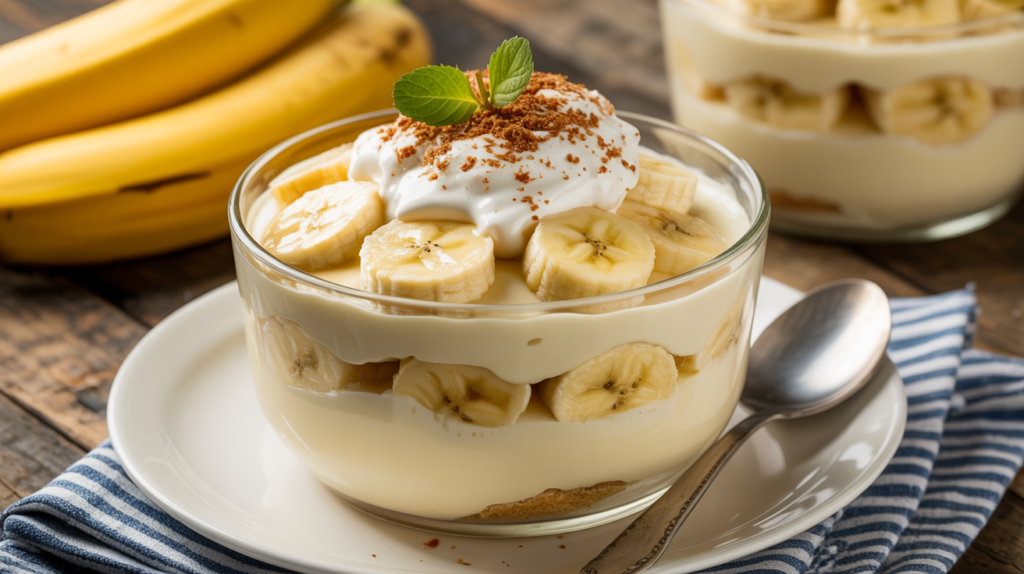
This elegant dessert pairs beautifully with several accompaniments. Fresh berries are the classic choice—raspberries, strawberries, or blackberries add tartness that balances the rich chocolate. Arrange a few berries on top of each serving or serve them on the side. Sliced bananas also work wonderfully, creating a flavor combination reminiscent of chocolate-covered bananas.
Whipped cream on top adds extra indulgence, though the mousse is rich enough on its own. A small dollop with a fresh mint leaf creates an elegant presentation. Shaved chocolate curls or cocoa powder dusted over the top adds visual appeal and extra chocolate intensity.
For beverages, espresso or strong coffee complements the chocolate beautifully. The slight bitterness cuts through the sweetness perfectly. Sweet dessert wines like port or a late-harvest Riesling also pair well. For non-alcoholic options, try sparkling water with a twist of orange—the citrus brightness cleanses your palate between bites.
This chocolate mousse recipe also works as a filling for other desserts. Layer it in parfait glasses with crumbled cookies, use it to fill cream puffs, or serve it alongside pound cake for an elegant plated dessert.
Storage Tips
Store chocolate mousse covered in the refrigerator for up to three days. Press plastic wrap directly onto the surface before covering the container to prevent a skin from forming. The mousse tastes best within the first two days, as the texture may become slightly denser over time.
You can prepare this chocolate mousse recipe a day ahead, which makes it perfect for dinner parties. In fact, making it the night before allows flavors to develop even more fully. Just wait to add any garnishes like whipped cream, berries, or chocolate shavings until serving time to keep them fresh and attractive.
Chocolate mousse doesn’t freeze well because freezing and thawing affects the delicate texture. The mousse may become watery or grainy after freezing. It’s best made fresh or within a day or two of serving.
If your mousse becomes too firm in the refrigerator, let it sit at room temperature for about ten minutes before serving. This softens it slightly and makes it easier to scoop while enhancing the chocolate flavor.
Estimated Nutrition Information
One serving of this chocolate mousse recipe (based on 6 servings) contains approximately 280 calories. Each serving provides about 4 grams of protein from the eggs and cream, 22 grams of carbohydrates, and 20 grams of fat from the chocolate and heavy cream. The sugar content is around 18 grams per serving.
You’ll get small amounts of iron and magnesium from the dark chocolate—about 8% of your daily iron needs per serving. Dark chocolate also contains antioxidants called flavonoids, which have potential health benefits. Each serving contains roughly 45 milligrams of sodium.
These estimates assume using dark chocolate with 60-70% cocoa content. Using milk chocolate increases sugar and decreases the bitter chocolate intensity. Using higher percentage dark chocolate reduces sugar but intensifies the chocolate flavor. Adjust based on your preferences, keeping in mind that chocolate mousse is a rich dessert meant for special occasions and mindful enjoyment.
Recipe Overview
Prep Time: 20 minutes
Chill Time: 2 hours
Total Time: 2 hours 20 minutes
Difficulty: Medium
Servings: 6
Ingredients
- 8 ounces dark chocolate (60-70% cocoa), chopped
- 3 large eggs, separated
- 2 tablespoons granulated sugar
- 1 and 1/2 cups cold heavy whipping cream
- 1 teaspoon vanilla extract
- Pinch of salt
Step-by-Step Instructions
Place the chopped chocolate in a microwave-safe bowl. Microwave in 30-second intervals, stirring between each interval, until completely melted and smooth. This takes about 90 seconds total. Let the chocolate cool for about ten minutes until it’s warm but not hot. If it’s too hot, it will cook the eggs or deflate the whipped cream.
While the chocolate cools, separate your eggs carefully. Make sure no yolk gets into the whites—even a tiny amount of fat prevents whites from whipping properly. Place the egg whites in a large, clean mixing bowl and the yolks in a small bowl.
Beat the egg whites with an electric mixer on medium speed until foamy. Gradually add the sugar while continuing to beat. Increase speed to high and beat until stiff, glossy peaks form. This takes about three to four minutes. When you lift the beaters, the peaks should stand straight up. Set aside.
In another bowl, whip the cold heavy cream with the vanilla extract until stiff peaks form. This takes about two to three minutes. The cream should be thick and hold its shape firmly. Be careful not to overbeat or it will become grainy.
Add the egg yolks and a pinch of salt to the cooled melted chocolate. Whisk until smooth and well combined. The mixture will thicken slightly as you stir.
Now comes the folding. Add about one-third of the whipped cream to the chocolate mixture. Fold gently with a rubber spatula using a cutting and sweeping motion. This lightens the chocolate and makes it easier to fold in the remaining ingredients. Add the remaining whipped cream and fold until mostly combined with just a few streaks remaining.
Add the beaten egg whites to the mixture. Fold very gently until no white streaks remain. The mousse should look uniformly light brown and airy. Be patient with this step—gentle folding preserves the airy texture that makes mousse special.
Divide the mousse among six serving glasses, ramekins, or small bowls. Cover each with plastic wrap and refrigerate for at least two hours, though overnight is even better. The mousse will firm up and the flavors will deepen during this time.
Before serving, garnish with whipped cream, fresh berries, chocolate shavings, or a dusting of cocoa powder if desired. Serve chilled and enjoy the light, luxurious texture. This chocolate mousse recipe creates an elegant dessert that tastes like you spent hours making it, becoming your go-to impressive yet easy treat.