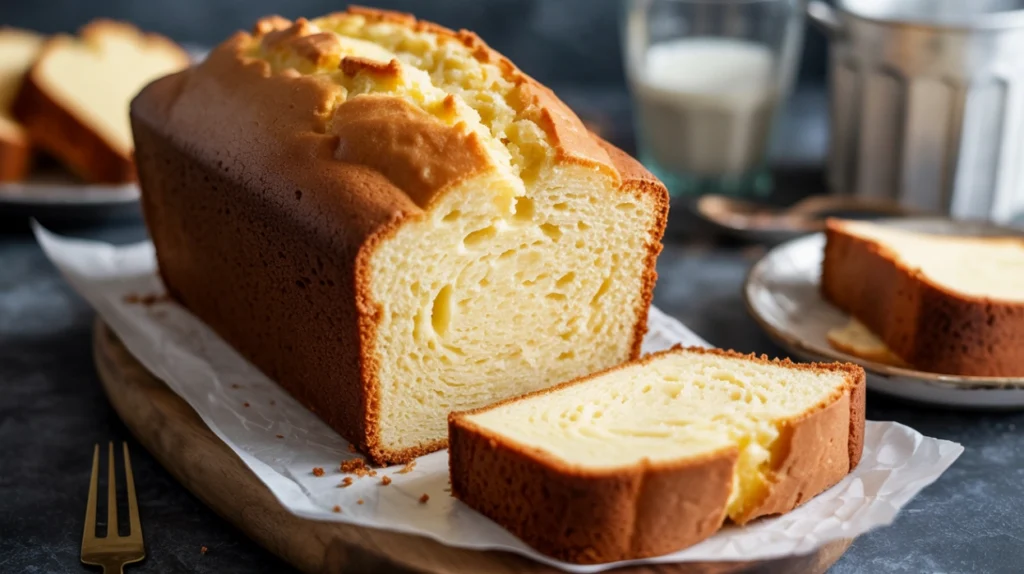
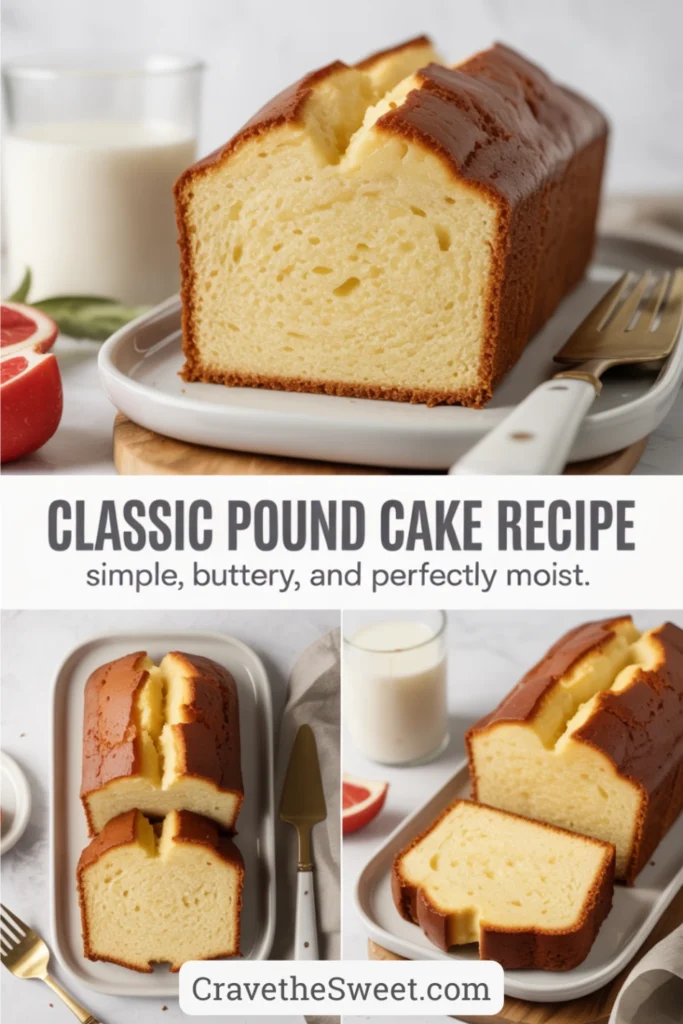
I still remember the first time I smelled pound cake baking in my grandmother’s kitchen. That rich, buttery aroma filled every corner of her house, and I couldn’t wait to slice into the golden loaf. She’d make it every Sunday, and it was always perfect—dense yet tender, with a crisp golden crust that crackled slightly when you cut into it. Now, whenever I bake this classic pound cake recipe, those memories come flooding back. The best part? It’s surprisingly easy to make, and you probably have all the ingredients in your pantry right now.
Why You’ll Love This Classic Pound Cake Recipe
This isn’t just any cake—it’s a timeless dessert that’s been beloved for generations. You’ll love how incredibly buttery and moist it turns out, with a fine, tight crumb that’s absolutely perfect for slicing. Unlike fussy layer cakes that require frosting and decorating, this simple beauty stands proudly on its own. It’s versatile enough to serve at a fancy brunch or casual family dinner, and it keeps beautifully for days. Plus, with just a handful of basic ingredients, you can whip this up without a special trip to the grocery store. The recipe is forgiving for beginners but delivers bakery-worthy results that’ll make everyone think you’re a professional baker.
What Is Pound Cake?
Traditional pound cake gets its name from the original recipe that called for a pound each of flour, butter, sugar, and eggs. Pretty easy to remember, right? This classic ratio creates a dense, rich cake with a tight crumb and substantial texture—quite different from the light, fluffy cakes you might be used to. The beauty of this classic pound cake recipe lies in its simplicity. There’s no baking powder or baking soda here; the cake rises purely from the air you beat into the butter and eggs. This old-fashioned technique results in that signature dense, buttery texture that pound cake lovers crave. It’s sturdy enough to hold up to glazes, fresh fruit, or whipped cream, yet delicious enough to enjoy completely plain with just a cup of coffee.
Common Mistakes to Avoid
Even though this classic pound cake recipe is straightforward, a few missteps can affect your results. The biggest mistake is using cold ingredients. Your butter, eggs, and even milk should all be at room temperature so they combine smoothly without deflating the batter. Another common error is overmixing once you add the flour—this develops too much gluten and makes the cake tough instead of tender. Mix just until you can’t see any more flour streaks.
Don’t rush the creaming process either. You need to beat the butter and sugar for a full five minutes until the mixture is light and fluffy. This incorporates air that helps the cake rise. Also, resist the urge to open the oven door during the first 45 minutes of baking. That sudden temperature drop can cause your cake to sink in the middle. Finally, make sure you’re measuring flour correctly by spooning it into your measuring cup and leveling it off—scooping directly from the bag packs in too much flour and results in a dry cake.
How to Know When Your Pound Cake Is Done
Pound cakes take longer to bake than regular cakes, so patience is key. Your cake is ready when a toothpick or wooden skewer inserted into the center comes out clean or with just a few moist crumbs—no wet batter. The top should be deep golden brown and spring back lightly when you touch it. You’ll also notice the cake pulling away slightly from the sides of the pan. If your cake is browning too quickly on top but isn’t done in the middle, tent it loosely with aluminum foil for the remaining baking time. The internal temperature should reach about 210 degrees Fahrenheit if you want to use a thermometer for extra certainty.
What to Serve With Pound Cake
The wonderful thing about this classic pound cake recipe is how well it pairs with almost anything. Keep it simple with a dusting of powdered sugar and fresh berries. The cake’s buttery richness is perfect alongside strawberries, blueberries, or sliced peaches. For something more indulgent, serve warm slices with vanilla ice cream and chocolate sauce. A tangy lemon glaze adds brightness that cuts through the richness beautifully. Whipped cream and macerated berries make it feel fancy for special occasions. Some people love toasting slices in butter for breakfast—it caramelizes the edges and makes them wonderfully crispy. Coffee, tea, or a cold glass of milk are all excellent beverage companions.
Storage Tips for Maximum Freshness
One of the best things about pound cake is how well it keeps. Once your cake is completely cool, wrap it tightly in plastic wrap or aluminum foil. It’ll stay moist at room temperature for up to four days. For longer storage, refrigerate it for up to a week—just let it come to room temperature before serving for the best flavor and texture. You can also freeze pound cake for up to three months. Wrap individual slices in plastic wrap, then place them in a freezer bag. This way, you can pull out just what you need. Thaw frozen slices at room temperature for about an hour, or warm them in the microwave for a few seconds.
Estimated Nutrition Information
Per slice (based on 12 servings): Approximately 380 calories, 20g fat, 45g carbohydrates, 5g protein, 150mg cholesterol, 200mg sodium. Keep in mind these are estimates and will vary based on specific ingredients used and slice size.
Recipe Overview
Prep Time: 20 minutes Cook Time: 70 minutes Total Time: 90 minutes Difficulty: Easy Servings: 12 slices
Ingredients
- 1 cup (2 sticks) unsalted butter, softened to room temperature
- 2 cups granulated sugar
- 4 large eggs, room temperature
- 3 cups all-purpose flour
- 1/2 teaspoon salt
- 1/2 cup whole milk, room temperature
- 2 teaspoons vanilla extract
Step-by-Step Instructions
Preheat your oven to 325 degrees Fahrenheit. Generously grease a 10-inch bundt pan or tube pan with butter, then dust it with flour, tapping out any excess. This ensures your cake releases easily.
In a large mixing bowl, cream the softened butter and sugar together using an electric mixer on medium-high speed. Beat for about five minutes until the mixture looks light, fluffy, and almost white in color. This step is crucial for incorporating air.
Add the eggs one at a time, beating well after each addition. Make sure each egg is fully incorporated before adding the next. The mixture should look smooth and creamy.
In a separate bowl, whisk together the flour and salt. With your mixer on low speed, add the flour mixture to the butter mixture in three parts, alternating with the milk. Begin and end with the flour. Add the vanilla extract with the last addition of milk. Mix just until no flour streaks remain—don’t overmix.
Pour the batter into your prepared pan and smooth the top with a spatula. Tap the pan gently on the counter a few times to release any air bubbles.
Bake for 65 to 75 minutes, until a toothpick inserted in the center comes out clean. The top should be golden brown and spring back when lightly pressed.
Let the cake cool in the pan for 15 minutes, then carefully invert it onto a wire rack to cool completely. If it sticks, run a thin knife around the edges to help release it.
This classic pound cake recipe delivers old-fashioned goodness that never goes out of style. Enjoy every buttery, tender bite!