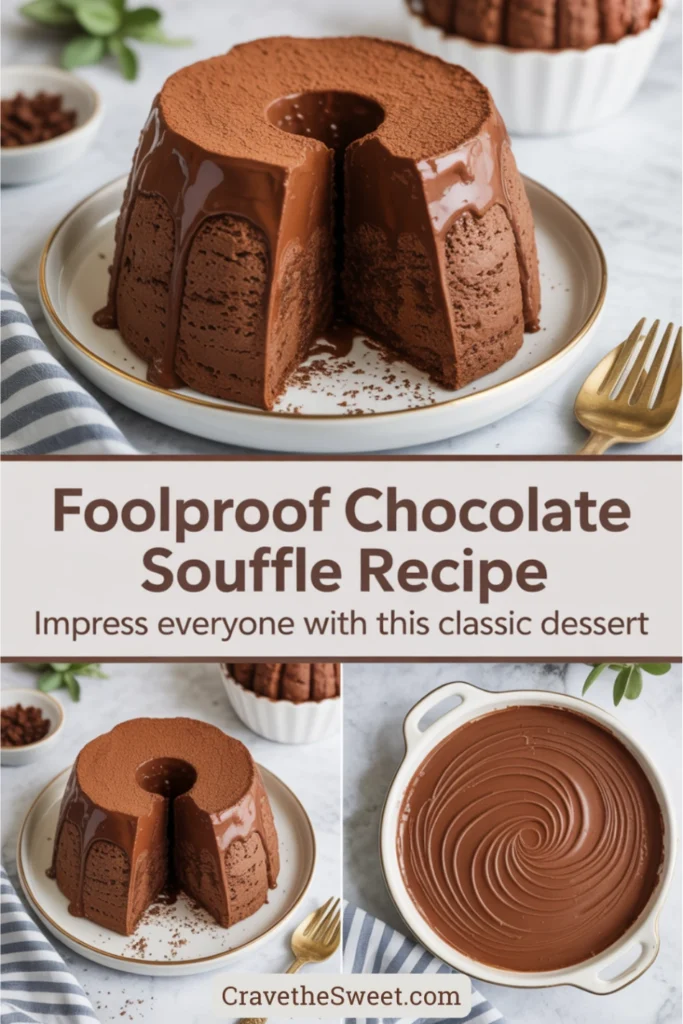
For years, I was terrified of making soufflés. They seemed like the ultimate test of a baker’s skill, reserved only for fancy restaurants and professional chefs. Then one Valentine’s Day, I decided to face my fear and attempt a chocolate soufflé for my husband. I was convinced it would be a disaster, but I followed the instructions carefully, held my breath when I opened the oven door, and was rewarded with two perfectly puffed, golden-topped beauties. The look of amazement on my husband’s face when I served them was priceless. Since that night, this chocolate souffle recipe has become my secret weapon for impressing dinner guests, and I’ve learned that soufflés aren’t nearly as difficult as their reputation suggests.
Why You’ll Love This Chocolate Souffle Recipe
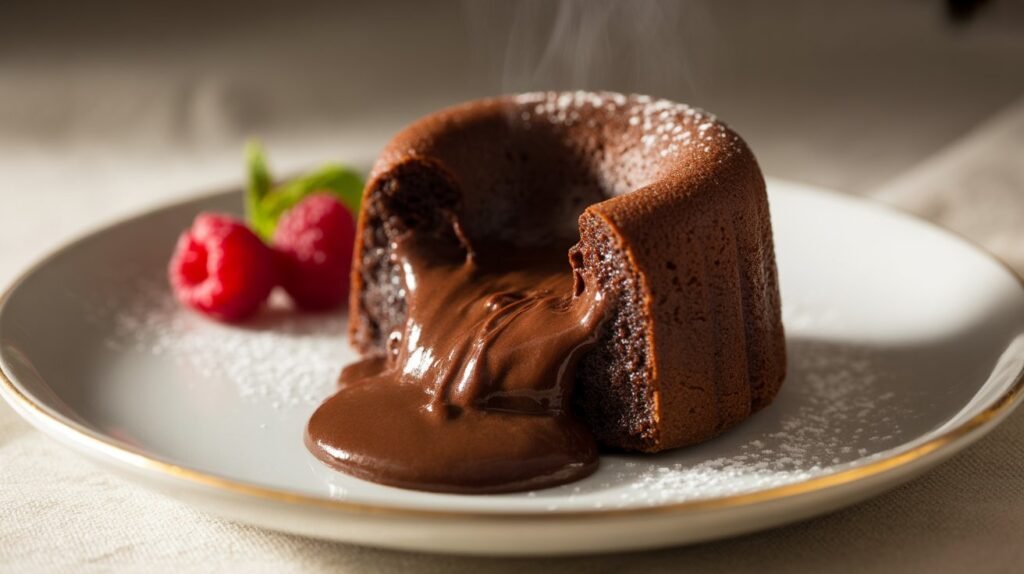
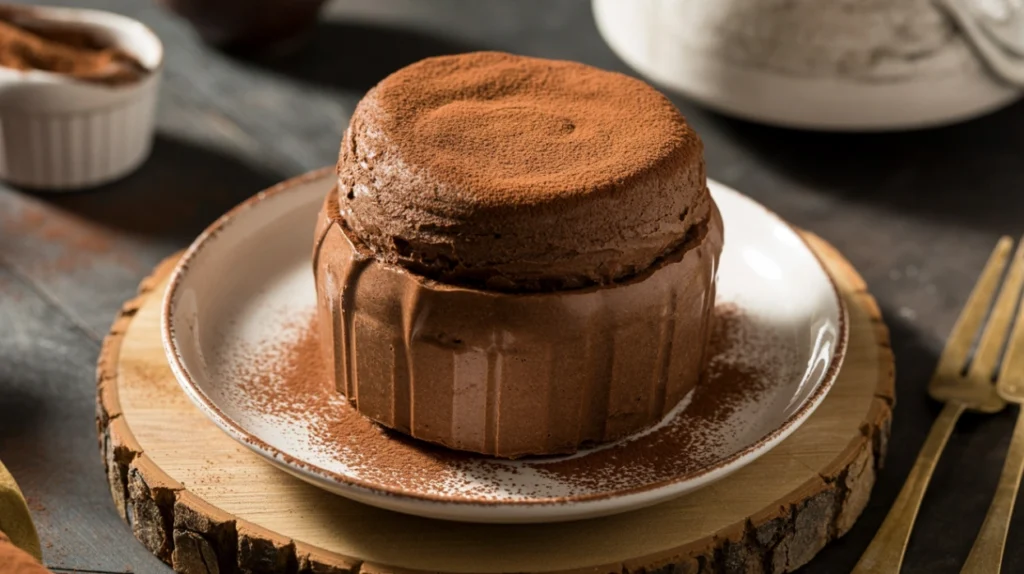
This dessert is pure elegance and drama on a plate. There’s something magical about serving individual soufflés that arrive at the table tall and proud, with crispy edges and molten chocolate centers. The texture is unlike anything else—light and airy yet intensely chocolatey. What makes this chocolate souffle recipe special is how it balances being impressive with being achievable. Yes, it requires attention to technique, but none of the steps are particularly difficult. The ingredient list is surprisingly short and simple. The chocolate flavor is rich and sophisticated without being overwhelming. These soufflés are also lighter than most chocolate desserts, making them the perfect ending to a heavy meal. The best part is how they force you to slow down and enjoy the moment—soufflés must be served immediately, creating an excuse to linger at the table with your guests.
What Is a Chocolate Souffle?
A chocolate soufflé is a classic French dessert made from a chocolate base lightened with beaten egg whites that puff dramatically in the oven. The word “soufflé” comes from the French verb “souffler,” meaning “to blow” or “to puff.” Soufflés have been around since the early 1700s, though chocolate versions became popular later. The magic happens when air trapped in the beaten egg whites expands from the oven’s heat, causing the mixture to rise. A properly made chocolate soufflé has a delicate crispy top, tender sides, and a creamy, almost molten center. The key is getting the right ratio of chocolate base to egg whites, and folding them together without deflating the air bubbles. Despite their reputation for being finicky, soufflés follow straightforward science—treat the egg whites gently, bake at the right temperature, and serve immediately.
Common Mistakes to Avoid
The biggest mistake with this chocolate souffle recipe is overbeating the egg whites. They should form stiff but not dry peaks—if they look grainy or clumpy, you’ve gone too far and they won’t incorporate smoothly. Another error is being too aggressive when folding the egg whites into the chocolate base. Vigorous stirring deflates all those precious air bubbles you worked to create. Use a gentle folding motion instead. Not properly preparing the ramekins is another common problem. They must be thoroughly buttered and coated with sugar, or the soufflé won’t be able to climb up the sides. Some people open the oven door during baking to check on the soufflés, but this temperature drop can cause them to fall. Wait until the minimum baking time before peeking. Using chocolate that’s too hot when you add it to the egg yolks can cook them, creating scrambled eggs instead of a smooth base. Let the chocolate cool slightly first. Finally, waiting too long to serve them is fatal—soufflés begin deflating within minutes of leaving the oven.
How to Know When Your Chocolate Souffle Is Done
Your soufflés are ready when they’ve risen about two inches above the rim of the ramekin and the tops are set with a slight wobble in the center. The tops should be golden brown and look dry rather than wet. When you gently jiggle the ramekin, the very center should move slightly while the edges remain firm—this indicates that perfect molten center. The sides should look set and pulled away slightly from the ramekin. If you prefer a more set center with less molten chocolate, bake for an additional two to three minutes, but remember that the magic of soufflé is that creamy interior. The timing is crucial and can vary based on your oven, so start checking at the minimum time. If the tops are browning too quickly but the centers aren’t set, reduce the oven temperature slightly. Once they’re done, serve them within two to three minutes—soufflés wait for no one.
What to Serve With Chocolate Souffle
This chocolate souffle recipe creates a dessert that’s wonderful on its own, but certain accompaniments make it even better. A small pitcher of crème anglaise or vanilla sauce is traditional and elegant—guests pour it into the center of their soufflé, watching it seep into the warm chocolate. Whipped cream, either plain or flavored with vanilla or coffee, is another classic pairing. A dusting of powdered sugar on top just before serving adds visual appeal. Fresh raspberries or strawberries on the side provide a tart contrast to the rich chocolate. Some people enjoy a small scoop of vanilla ice cream, though this is less traditional. For an adult dinner party, serve with espresso or coffee liqueur. A glass of dessert wine like port or a late-harvest Riesling pairs beautifully. The key is keeping accompaniments simple so they enhance rather than compete with the soufflé’s delicate flavor and texture.
Storage Tips
Unfortunately, soufflés don’t store well once baked—they must be served immediately. However, you can prepare components ahead of time to make day-of preparation easier. The chocolate base can be made up to one day ahead and stored covered in the refrigerator. Bring it to room temperature before folding in the egg whites. You can also prepare and butter your ramekins several hours ahead, keeping them at room temperature until needed. Some adventurous bakers even assemble the entire soufflé mixture in the prepared ramekins and refrigerate them for up to two hours before baking, though this is riskier and may result in less rise. If attempting this, let them sit at room temperature for 15 minutes before baking and add a few extra minutes to the baking time. Leftover baked soufflés will deflate and become dense if refrigerated, though they’re still edible—just not the same magical experience.
Estimated Nutrition Information
Per soufflé (based on 4 servings): Approximately 285 calories, 16g fat, 31g carbohydrates, 2g fiber, 26g sugar, 7g protein. While this is a rich dessert, it’s actually lighter than many chocolate desserts because it relies on egg whites for structure rather than butter and flour. The small portion size means you get intense satisfaction without excessive indulgence.
Recipe Overview
Prep Time: 20 minutes
Cook Time: 14 minutes
Total Time: 35 minutes
Difficulty: Medium
Servings: 4
Ingredients
For preparing the ramekins:
- 1 tablespoon softened butter
- 2 tablespoons granulated sugar
For the soufflés:
- 4 ounces dark chocolate (60-70% cocoa), chopped
- 2 tablespoons unsalted butter
- 3 large eggs, separated, plus 1 additional egg white
- 1/4 cup granulated sugar, divided
- 1 tablespoon all-purpose flour
- 1 teaspoon vanilla extract
- Pinch of salt
- Powdered sugar for dusting
Step-by-Step Instructions
Position a rack in the lower third of your oven and preheat to 375°F. Place a baking sheet on the rack—this will make it easier to transfer the ramekins safely.
Prepare four 6-ounce ramekins by brushing the insides generously with softened butter. Make sure to coat the entire interior, including the rim. Use upward brush strokes on the sides to help the soufflé climb.
Add the two tablespoons of granulated sugar to one ramekin, then tilt and rotate it to coat the buttered surface completely. Pour excess sugar into the next ramekin and repeat. Continue until all four are coated. Place the prepared ramekins on a baking sheet and set aside.
Create a double boiler by placing a heatproof bowl over a pot of simmering water, making sure the bowl doesn’t touch the water. Add the chopped chocolate and butter to the bowl. Stir occasionally until completely melted and smooth. Remove from heat and let cool for five minutes.
While the chocolate cools, separate your eggs carefully. Place the four egg whites in a large, clean mixing bowl. Put the three egg yolks in a small bowl.
Add two tablespoons of the sugar and the flour to the egg yolks. Whisk until the mixture is pale and thick, about one minute.
Pour the cooled chocolate mixture into the egg yolk mixture and whisk until smooth and glossy. Stir in the vanilla extract. Set this chocolate base aside.
Add the pinch of salt to the egg whites. Using an electric mixer, beat on medium speed until foamy. Gradually add the remaining two tablespoons of sugar, one tablespoon at a time, while continuing to beat. Increase speed to medium-high and beat until the whites form stiff, glossy peaks. They should stand straight up when you lift the beaters but still look smooth and creamy, not dry or grainy.
Stir about one-quarter of the beaten egg whites into the chocolate mixture. This lightens the base and makes it easier to fold in the remaining whites. Use a whisk and stir vigorously—you don’t need to be gentle with this portion.
Add the remaining egg whites to the chocolate mixture. Using a rubber spatula, gently fold them together. Cut down through the center, sweep along the bottom, and bring the spatula up along the side, turning the bowl as you go. Continue folding just until no white streaks remain. Don’t overmix—a few small white streaks are better than deflated whites.
Divide the mixture evenly among the prepared ramekins, filling them about three-quarters full. Run your thumb around the inside rim of each ramekin to create a small groove—this helps them rise evenly.
Place the ramekins on the preheated baking sheet in the oven. Bake for 13 to 15 minutes without opening the oven door. They’re done when risen about two inches above the rim with golden tops that are set but the centers still jiggle slightly.
Working quickly, remove from oven and dust the tops with powdered sugar using a fine-mesh sieve. Place each ramekin on a small plate with a napkin underneath to prevent slipping.
Serve immediately, instructing guests to break into the center with a spoon and enjoy that molten chocolate goodness.
This chocolate souffle recipe has transformed me from a fearful baker into someone who confidently serves soufflés at dinner parties. The combination of crispy exterior and creamy center creates pure chocolate heaven that never fails to impress.