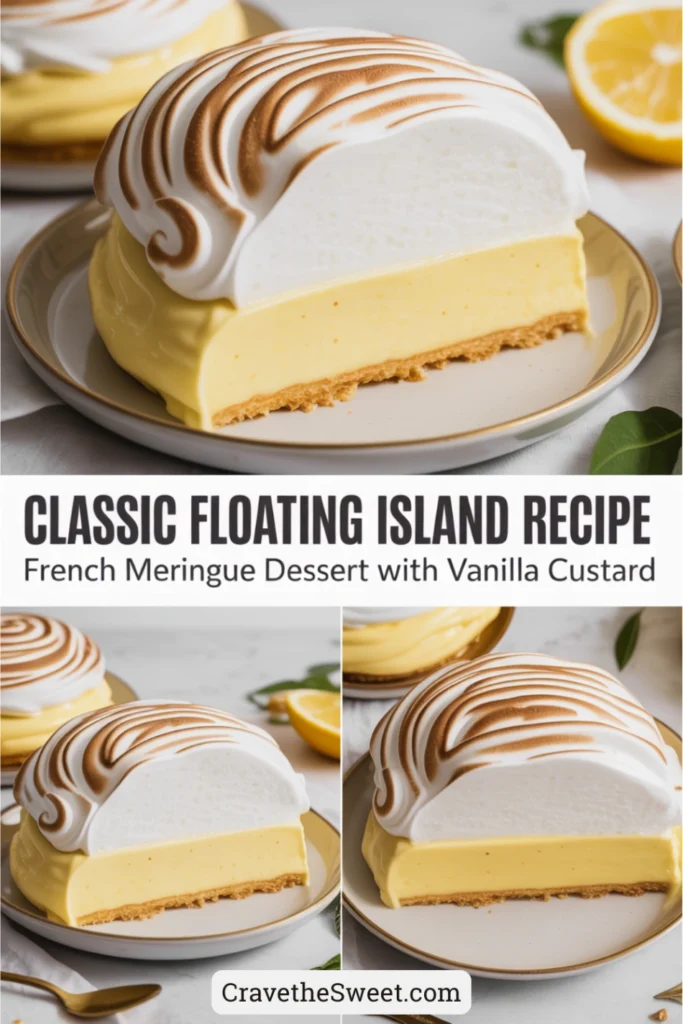
The first time I encountered floating islands was at a French restaurant during a special anniversary dinner. When the waiter described this dessert as clouds of meringue floating on custard, I was intrigued but skeptical. How could something so simple sound so magical? One spoonful changed everything—the airy, sweet meringue melting into rich vanilla custard was absolutely dreamy. I knew I had to learn to make it at home, and this floating island recipe has since become my signature dessert for impressing dinner guests.
Why You’ll Love This Floating Island Recipe
This elegant French dessert looks incredibly impressive but is surprisingly achievable for home cooks. The combination of textures—ethereal meringue against silky custard—creates a luxurious eating experience that feels special and indulgent. Despite its fancy appearance, it uses simple, everyday ingredients you likely already have in your kitchen. The dessert is naturally gluten-free and relatively light compared to heavy cakes or pies, making it a perfect ending to a rich meal. It’s also incredibly versatile, allowing you to adjust sweetness levels and add flavors like almond or citrus. The visual presentation is stunning, with pristine white meringue islands floating in a golden sea of custard. Best of all, you can prepare components ahead of time, making it ideal for entertaining without last-minute stress.
What Is Floating Island?
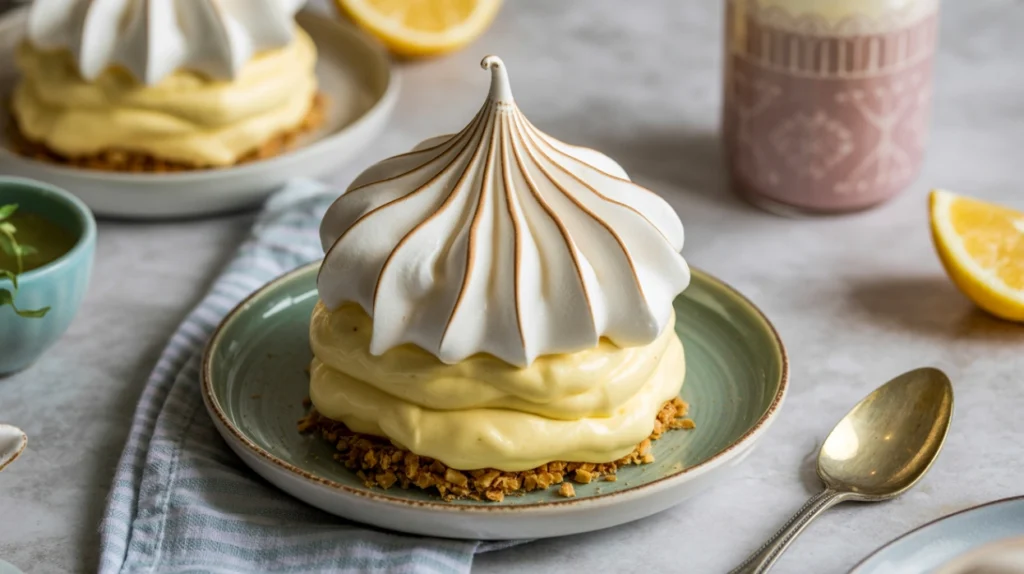
Floating island, known as “île flottante” in French, is a classic French dessert consisting of poached meringue served floating atop crème anglaise, a smooth vanilla custard sauce. The meringue is made from whipped egg whites and sugar, creating a light, airy texture that literally floats when placed on the liquid custard. The dessert is traditionally served chilled and often garnished with toasted almonds or a drizzle of caramel. It’s closely related to another French dessert called “oeufs à la neige,” which means “snow eggs,” though the two names are often used interchangeably. The beauty of this dessert lies in its simplicity and the clever use of both parts of the egg—whites for meringue and yolks for custard. This elegant creation has been a staple of French cuisine for centuries and represents the refinement and creativity of classical French cooking.
Common Mistakes to Avoid
Several common errors can affect the success of your floating island recipe. The most frequent mistake is underwhipping or overwhipping the meringue. Underwhipped meringue won’t hold its shape, while overwhipped meringue becomes grainy and can separate. Stop when you reach stiff, glossy peaks. Another issue is poaching the meringue in water that’s too hot. A gentle simmer, not a rolling boil, is essential—vigorous boiling will cause the meringues to break apart. Many people also poach them for too long, which makes them rubbery instead of tender. When making custard, the biggest mistake is cooking it over high heat, which causes the eggs to scramble. Low, gentle heat and constant stirring are crucial. Some cooks forget to temper the egg yolks when adding hot milk, resulting in scrambled bits throughout the custard. Not straining the custard is another oversight that leaves you with a less-than-silky texture. Finally, serving the dessert immediately after assembly doesn’t allow the meringues to absorb some custard, which softens them beautifully.
How to Know It’s Done
For the meringue, you’ll know it’s ready when it forms stiff peaks that stand straight up when you lift the whisk. The mixture should be glossy and smooth, not grainy. When poaching, the meringues are done when they feel firm to the touch and have puffed up slightly, usually after about three minutes per side. They should hold their shape when gently lifted from the water. For the custard, the key indicator is the consistency—it should coat the back of a spoon thickly enough that when you run your finger through it, the line stays clear without the custard running back together. This typically happens around 170°F to 175°F if you’re using a thermometer. The custard will thicken further as it cools. Never let the custard boil, as this will cause curdling. The final dessert is best served after chilling for at least two hours, allowing the components to meld together beautifully.
What to Serve With Floating Islands
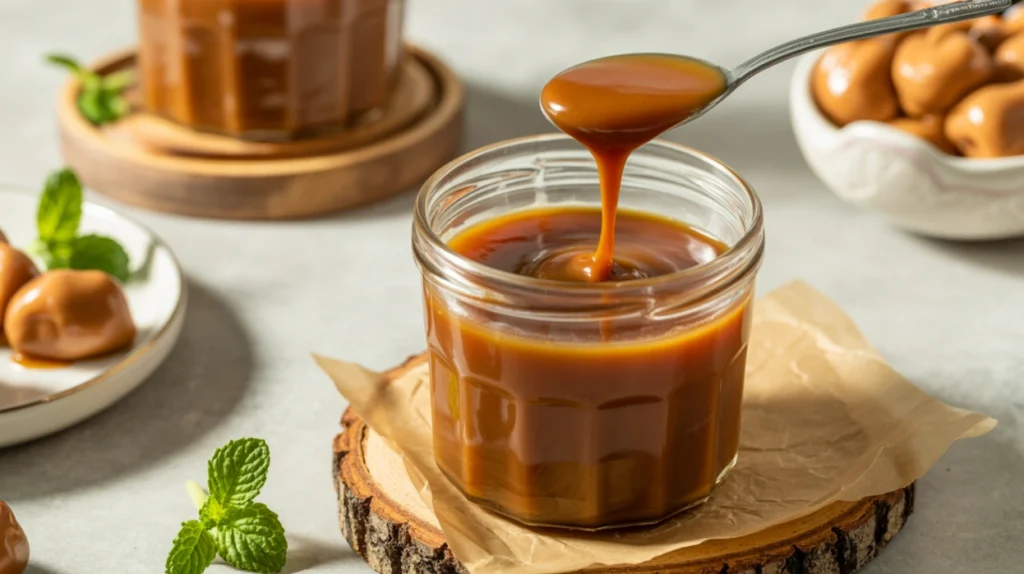
This dessert is elegant and rich enough to stand alone, but certain accompaniments enhance the experience. Fresh berries, particularly raspberries or strawberries, add a tart contrast that cuts through the sweetness beautifully. A drizzle of caramel sauce over the meringues provides additional flavor and a gorgeous presentation. Toasted sliced almonds sprinkled on top add textural contrast and a subtle nutty flavor. Some people enjoy adding a splash of liqueur to the custard, such as Grand Marnier or amaretto, for adult gatherings. Delicate cookies like ladyfingers or thin butter cookies served on the side provide a nice crunch. The dessert pairs wonderfully with champagne or dessert wine for special occasions. Since it’s quite rich and sweet, you don’t need much else—perhaps just a strong espresso to balance the sweetness after finishing.
Storage Tips
Floating islands are best assembled just before serving, but the components can be prepared ahead for convenience. Store the custard in an airtight container in the refrigerator for up to three days. Keep a piece of plastic wrap pressed directly against the surface to prevent a skin from forming. The poached meringues can be refrigerated separately on a paper towel-lined plate, loosely covered, for up to one day. However, they’re truly best when freshly made. Once assembled, the dessert should be served within a few hours, as the meringues will gradually dissolve into the custard over time. Some people actually prefer this slightly melted texture, so it’s really a matter of personal preference. Don’t freeze either component, as both the meringue and custard suffer significant texture changes when frozen and thawed. For entertaining, make the custard the day before and poach the meringues a few hours ahead, then assemble just before serving.
Estimated Nutrition Information
Per serving: Approximately 220 calories, 8g fat, 30g carbohydrates, 28g sugar, 7g protein. This is a rich dessert meant for special occasions and should be enjoyed in moderation.
Recipe Overview
Prep Time: 30 minutes
Cook Time: 20 minutes
Chill Time: 2 hours
Total Time: 2 hours 50 minutes
Difficulty: Moderate
Servings: 6
Ingredients
For the custard:
- 2 cups whole milk
- 5 large egg yolks
- 1/2 cup granulated sugar
- 1 teaspoon vanilla extract
- Pinch of salt
For the meringue:
- 4 large egg whites, at room temperature
- 1/2 cup granulated sugar
- Pinch of cream of tartar
- 1/2 teaspoon vanilla extract
Step-by-Step Instructions
Begin with the custard. Pour the milk into a medium saucepan and heat over medium heat until it just begins to steam and small bubbles form around the edges. Don’t let it boil. Remove from heat.
In a separate bowl, whisk together the egg yolks and sugar until pale and slightly thickened, about two minutes. This is important for creating a smooth custard.
Very slowly pour about half of the hot milk into the egg mixture while whisking constantly. This tempering process prevents the eggs from scrambling. Once combined, pour everything back into the saucepan with the remaining milk.
Cook the custard over low heat, stirring constantly with a wooden spoon, until it thickens enough to coat the back of the spoon. This usually takes eight to ten minutes. Draw your finger through the coating on the spoon—if the line stays clear, it’s ready. Remove from heat immediately and stir in the vanilla and salt.
Strain the custard through a fine-mesh sieve into a clean bowl to ensure silky smoothness. Press plastic wrap directly onto the surface to prevent a skin from forming. Refrigerate for at least two hours until completely chilled.
For the meringues, fill a large, deep skillet with about two inches of water. Bring to a gentle simmer over medium-low heat. The water should be barely bubbling.
In a clean, dry bowl, beat the egg whites with an electric mixer on medium speed until foamy. Add the cream of tartar and continue beating. Gradually add the sugar, one tablespoon at a time, beating well after each addition. Once all sugar is incorporated, increase speed to high and beat until stiff, glossy peaks form. Fold in the vanilla.
Using two large spoons, shape the meringue into egg-shaped ovals and gently drop them into the simmering water. Work in batches to avoid crowding. Poach for about three minutes, then carefully flip and poach for another three minutes. The meringues should be firm to the touch.
Using a slotted spoon, transfer the poached meringues to a paper towel-lined plate to drain. Let them cool completely.
To serve your floating island recipe, pour the chilled custard into shallow serving bowls. Gently place one or two meringues on top of each serving. If desired, drizzle with caramel sauce or sprinkle with toasted almonds. Serve immediately and watch your guests marvel at this elegant French dessert!