
I still remember the first time I tasted an alfajor at a friend’s house during college. She’d just come back from visiting family in Argentina, and her suitcase was packed with these delicate sandwich cookies. One bite of those tender, crumbly cookies filled with dulce de leche, and I was completely hooked. I practically begged her for the recipe, and after some trial and error in my tiny apartment kitchen, I finally cracked the code. Now, this alfajores recipe has become one of my most requested treats, and I’m thrilled to share it with you.
Why You’ll Love This Alfajores Recipe
These South American sandwich cookies are absolutely irresistible for so many reasons. First, they’re surprisingly simple to make despite looking impressively elegant. The texture is incredibly unique—tender and crumbly, almost melting in your mouth with each bite. The combination of delicate cookies and rich dulce de leche creates the perfect balance of sweetness without being overwhelming. Plus, they’re incredibly versatile. You can roll them in coconut, dust them with powdered sugar, or drizzle them with chocolate. They’re perfect for holiday cookie exchanges, afternoon tea, or simply treating yourself on a weekend. And here’s the best part: once you master this alfajores recipe, you’ll have a go-to dessert that always impresses guests but doesn’t require professional baking skills.
What Is an Alfajor?
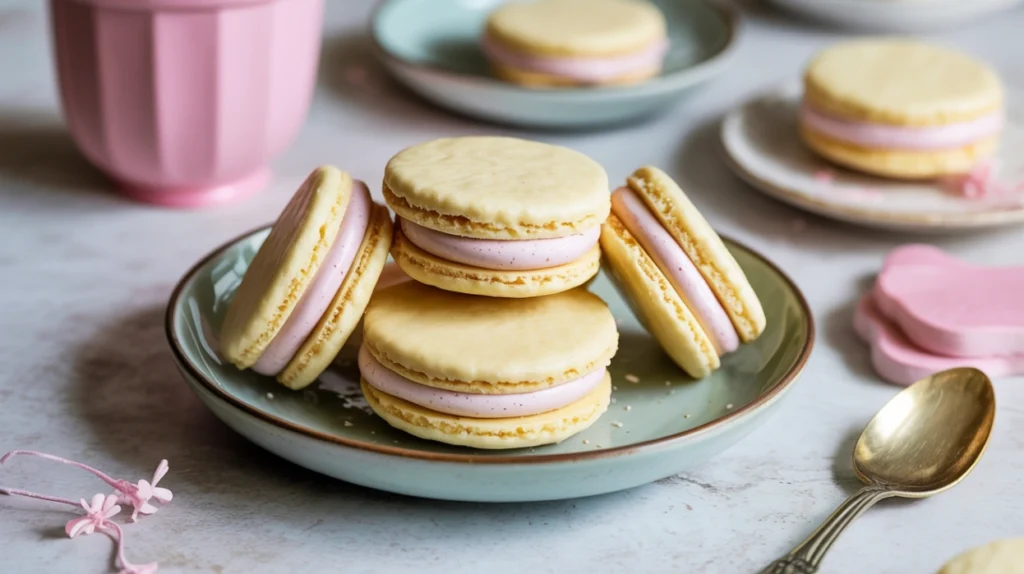
An alfajor is a traditional sandwich cookie beloved throughout Latin America, particularly in Argentina, Peru, Uruguay, and Chile. The cookie itself is made with a special combination of flour and cornstarch, which gives it that signature tender, shortbread-like texture that practically dissolves on your tongue. Two of these delicate cookies are sandwiched together with dulce de leche, a sweet caramel spread made from slowly cooked milk. The edges are often rolled in shredded coconut, though some versions skip this step or use powdered sugar instead. While recipes vary by region and family tradition, the essential elements remain the same: tender cookies, sweet filling, and that unforgettable melt-in-your-mouth quality. Some variations include chocolate coating or different fillings, but the classic version with dulce de leche is truly special. The name “alfajor” actually has Arabic origins, reflecting the diverse cultural influences that shaped Latin American cuisine over centuries.
Common Mistakes to Avoid
When making this alfajores recipe, there are several pitfalls that can trip up even experienced bakers. The most common mistake is overworking the dough. Because of the high cornstarch content, the dough is delicate and can become tough if you handle it too much. Mix just until the ingredients come together, then stop. Another frequent error is rolling the dough too thin. These cookies should be about a quarter-inch thick—any thinner and they’ll be too fragile to handle and won’t have that lovely tender texture. Many first-timers also make the mistake of overbaking them. These cookies should remain pale, barely taking on any color. If they turn golden brown, they’ve been in the oven too long and will be dry instead of tender. Some people also spread the dulce de leche too thick or too thin. You want a generous layer, about a quarter-inch, to get the proper cookie-to-filling ratio. Finally, don’t skip the chilling step if your dough feels too soft. Warm dough is difficult to work with and can result in cookies that spread too much during baking.
How to Know Your Alfajores Are Done
Determining doneness is crucial for perfect alfajores. Unlike many cookies that should be golden brown, these should remain very pale, with just the slightest hint of color on the bottom. The tops should look almost unbaked—definitely not browned. When you gently press the top of a cookie, it should feel set but still tender, not firm. The edges might appear slightly dry, but the center should still look soft. They’ll seem underdone when you take them out, and that’s exactly what you want. Remember that these cookies continue to firm up as they cool, so what seems too soft in the oven will be perfect once they reach room temperature. If you’re unsure, it’s better to slightly underbake than overbake. Check them at the minimum baking time, and if they’re set on top without any browning, they’re ready to come out. After about twelve to fifteen minutes, depending on your oven, they should be done. Trust the pale appearance—it’s not a mistake, it’s exactly how these cookies should look.
What to Serve With Alfajores
These delightful cookies pair beautifully with so many beverages and can enhance various occasions. A strong cup of coffee is traditional and creates a lovely contrast with the sweet dulce de leche. Hot chocolate is another wonderful pairing, especially during cooler months. For a more elegant presentation, serve them alongside espresso or cappuccino at the end of a dinner party. Tea drinkers will find that black tea, particularly Earl Grey or English Breakfast, complements the caramel notes perfectly. For a truly authentic South American experience, try them with yerba mate if you can find it. These cookies are also delicious with a glass of cold milk, which is perfect if you’re serving them to kids or simply want something refreshing. At parties, arrange them on a platter with fresh berries and other small pastries for a beautiful dessert spread. They’re also wonderful packaged in pretty boxes or tins as homemade gifts during the holidays.
Storage Tips for Your Alfajores
Proper storage is important to maintain the quality of your alfajores. These cookies are best enjoyed within the first few days when they’re at their tender peak. Store them in an airtight container at room temperature, with parchment paper between layers to prevent them from sticking together. They’ll stay fresh for about three to five days this way. Interestingly, some people actually prefer them after a day or two when the cookies have softened slightly from the moisture in the dulce de leche. If you need to store them longer, you can refrigerate them for up to a week, though the texture becomes a bit firmer when cold. Let them come to room temperature before serving for the best experience. You can also freeze unfilled cookies for up to two months in a freezer-safe container. When you’re ready to use them, thaw completely, then fill with fresh dulce de leche. However, I don’t recommend freezing assembled alfajores because the filling can become grainy when thawed. If you’re making them ahead for a special event, bake the cookies a day or two early, store them unfilled, then assemble them the morning of your gathering.
Estimated Nutrition Information
Per alfajor (one sandwich cookie): Approximately 180 calories, 8g fat, 26g carbohydrates, 15g sugar, 2g protein. Keep in mind that nutritional values can vary based on the specific brands of ingredients you use and the exact size of your cookies. The dulce de leche contributes most of the sugar content, while the butter in the cookies provides the fat. These are definitely treats to be enjoyed in moderation as part of a balanced diet. If you’re looking to reduce calories slightly, you can make the cookies a bit smaller, though the classic size is part of their charm.
Recipe Overview
Prep Time: 25 minutes
Cook Time: 12-15 minutes per batch
Total Time: 1 hour 30 minutes (including cooling)
Difficulty: Easy to Moderate
Servings: Makes about 20 sandwich cookies (40 individual cookies)
Ingredients
For the cookies:
- 2 cups all-purpose flour
- 1 cup cornstarch
- 1 cup unsalted butter, softened to room temperature
- 2/3 cup powdered sugar
- 2 egg yolks
- 1 teaspoon vanilla extract
- 1/2 teaspoon baking powder
- Pinch of salt
- 1 teaspoon lemon zest (optional but adds nice flavor)
For assembly:
- 1 to 1 1/2 cups dulce de leche
- 1 cup sweetened shredded coconut (optional, for rolling)
- Powdered sugar for dusting (optional alternative to coconut)
Step-by-Step Instructions
Start by preheating your oven to 350°F and lining two baking sheets with parchment paper. This preparation ensures you’re ready to bake as soon as your cookies are cut.
In a large mixing bowl, cream together the softened butter and powdered sugar using an electric mixer on medium speed for about three minutes until the mixture is light and fluffy. This step is important for creating the right texture. Add the egg yolks one at a time, beating well after each addition. Mix in the vanilla extract and lemon zest if you’re using it.
In a separate bowl, whisk together the flour, cornstarch, baking powder, and salt. With your mixer on low speed, gradually add the dry ingredients to the butter mixture. Mix just until the dough comes together and no streaks of flour remain. Don’t overmix—stop as soon as everything is combined. The dough will be soft and slightly crumbly, which is exactly right.
Turn the dough out onto a lightly floured surface and gently knead it two or three times just to bring it together into a smooth ball. If the dough feels too sticky, you can chill it for fifteen to twenty minutes to make it easier to work with.
Divide the dough in half and roll out one portion at a time on a floured surface to about 1/4-inch thickness. Using a round cookie cutter about two inches in diameter, cut out circles and place them on your prepared baking sheets, leaving about an inch between each cookie. Gather the scraps, gently press them together, and roll out again to cut more cookies. Repeat with the second half of the dough.
Bake the cookies for twelve to fifteen minutes. Remember, these should remain very pale with no browning on top. The bottoms might have just a hint of light golden color, but the tops should stay nearly white. They’ll look slightly underdone, and that’s perfect.
Let the cookies cool on the baking sheet for five minutes, then carefully transfer them to a wire rack to cool completely. This is crucial—they’re very delicate when warm and can break easily, so let them firm up a bit before moving them.
Once all your cookies are completely cool, it’s time to assemble your alfajores. Spread about one tablespoon of dulce de leche on the flat side of one cookie, then gently press another cookie on top to create a sandwich. Don’t press too hard or the cookies will crack. The dulce de leche should spread just to the edges.
If you’re using coconut, spread it on a plate and gently roll the edges of each assembled cookie in the coconut so it sticks to the dulce de leche that peeks out from between the cookies. Alternatively, you can simply dust the tops with powdered sugar for a simpler finish.
Let the assembled alfajores sit for about thirty minutes before serving to allow the filling to set slightly. This also gives the cookies time to absorb a bit of moisture from the dulce de leche, making them even more tender.
These beautiful sandwich cookies are now ready to enjoy! Serve them with your favorite hot beverage and watch them disappear. This alfajores recipe has brought so much joy to my kitchen over the years, and I hope it does the same for yours. Happy baking!