
My first trip to New Orleans changed my life in the most delicious way possible. I sat at a small café table early one morning, watching powdered sugar snow down onto a plate of hot, pillowy beignets. That first bite—crispy outside, soft and airy inside, covered in a cloud of sweet sugar—was pure magic. I knew right then I had to learn how to recreate them at home. After plenty of practice and a very messy kitchen, I perfected this beignets recipe that brings that New Orleans experience right to my own table.
Why You’ll Love This Beignets Recipe
These French-style doughnuts are absolutely irresistible and easier to make than you might think. The contrast between the crispy golden exterior and the soft, pillowy interior is simply perfect. Unlike regular doughnuts, beignets are lighter and airier, almost like eating sweet clouds. They’re best enjoyed fresh and hot, which means making them at home gives you that authentic experience that’s hard to find elsewhere. The dough comes together quickly, and while there’s some rising time involved, the actual hands-on work is minimal. Plus, there’s something incredibly satisfying about frying up a batch of these beauties and watching them puff up in the hot oil. They’re perfect for weekend brunch, special occasions, or whenever you want to treat yourself to something truly special.
What Are Beignets?
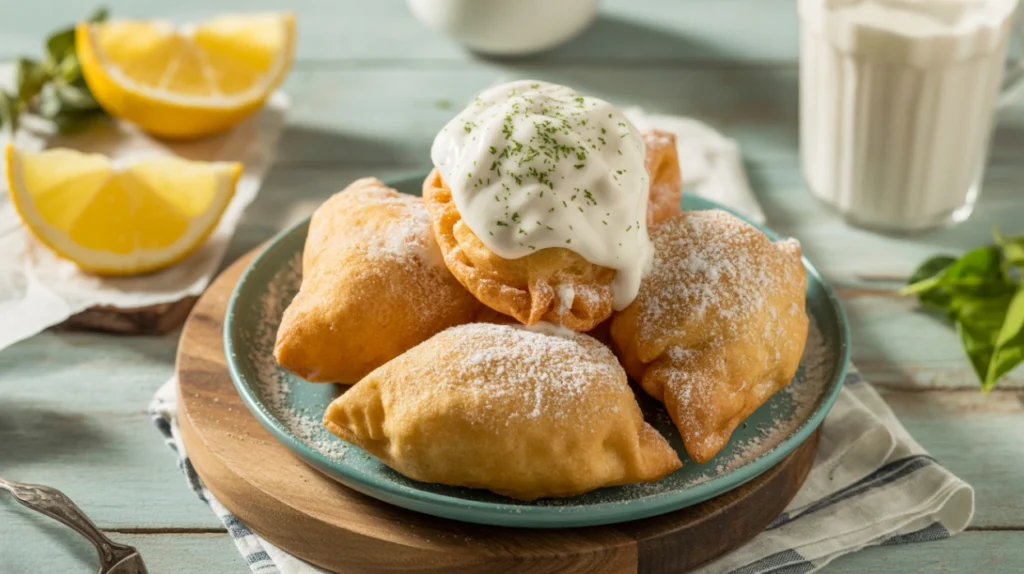
Beignets are French-style fried dough pastries that became famous in New Orleans, where they’re considered an iconic treat. The word “beignet” is French for “fritter” or “bump,” and these square-shaped pastries are made from a simple yeast dough that’s rolled out, cut, and deep-fried until golden and puffy. Unlike cake doughnuts, beignets are made with yeast, giving them that wonderfully light and airy texture. They’re traditionally served hot, buried under a generous mountain of powdered sugar. The authentic version doesn’t have a hole in the center like traditional doughnuts—they’re solid squares or rectangles that puff up beautifully when fried. While they originated in France, beignets became deeply woven into New Orleans culture, brought there by French colonists centuries ago. Today, they’re enjoyed any time of day, from breakfast through late-night snacks.
Common Mistakes to Avoid
When working with this beignets recipe, several common errors can affect your results. The biggest mistake is using oil that’s not hot enough. If your oil temperature is too low, the beignets will absorb too much grease and become heavy instead of light and crispy. Always use a thermometer to monitor the temperature. Another frequent issue is not letting the dough rise properly. Rushing this step results in dense, tough beignets instead of airy ones. Be patient and give the dough the full rising time it needs. Some people also roll the dough too thin, which prevents proper puffing during frying. Aim for about a quarter-inch thickness. Overworking the dough is another problem—handle it gently to maintain those air pockets that create the light texture. Finally, many beginners overcrowd the pan, which drops the oil temperature and causes uneven cooking. Fry just a few beignets at a time, giving them plenty of room to puff up and float freely.
How to Know Your Beignets Are Done
Perfectly cooked beignets have several telltale signs. They should be golden brown on both sides, not pale or dark. The color should be even, indicating they’ve cooked at the right temperature. When you remove one from the oil, it should feel light for its size—this means it’s properly puffed with air inside rather than dense and greasy. The exterior should be crispy when you first bite in, while the interior remains soft and tender. Each beignet typically takes about two to three minutes per side to cook properly. Watch for them to puff up significantly in the oil—they should nearly double in size. If they’re browning too quickly on the outside but feel heavy, your oil is too hot. If they’re taking forever to brown, the oil is too cool. The ideal oil temperature is 360°F, which creates that perfect golden crust while cooking the interior completely.
What to Serve With Beignets
These delightful pastries pair wonderfully with various beverages and accompaniments. The most traditional pairing is chicory coffee, which is how they’re served in New Orleans. The slightly bitter, rich coffee provides a perfect contrast to the sweet, fried dough. Regular coffee works beautifully too, as does hot chocolate for a sweeter combination. Café au lait—coffee with steamed milk—is another classic choice that’s not too strong and complements the sugar-dusted pastries perfectly. For non-coffee drinkers, hot tea or even cold milk makes a great pairing. Some people enjoy dipping their beignets in chocolate sauce, caramel, or fruit preserves, though purists might argue they’re perfect with just powdered sugar. Fresh fruit on the side adds a refreshing element and cuts through the richness. They’re typically enjoyed as a breakfast or dessert item, but honestly, they’re delicious any time of day.
Storage Tips
Beignets are absolutely best enjoyed fresh and hot, right after frying. However, if you have leftovers or want to prepare ahead, here’s what you need to know. Once cooled, store them in an airtight container at room temperature for up to one day. They won’t be as crispy, but you can revive them somewhat by reheating in a 350°F oven for five minutes. The unfried dough can be refrigerated for up to twenty-four hours after the first rise, which is great for make-ahead planning. Just let it come to room temperature before rolling and frying. You can also freeze the cut, unfried dough squares on a baking sheet, then transfer to a freezer bag once solid. Fry them straight from frozen, adding an extra minute or two to the cooking time. I don’t recommend freezing already-fried beignets as they lose their wonderful texture.
Estimated Nutrition Information
Per beignet: Approximately 150 calories, 6g fat, 22g carbohydrates, 8g sugar, 2g protein. Keep in mind these values vary based on oil absorption during frying and the amount of powdered sugar used. These are definitely an indulgent treat meant for special occasions rather than everyday eating.
Recipe Overview
Prep Time: 20 minutes
Rising Time: 1 hour 30 minutes
Cook Time: 15 minutes
Total Time: 2 hours 5 minutes
Difficulty: Moderate
Servings: Makes about 24 beignets
Ingredients
- 1 cup warm water (about 110°F)
- 1/4 cup granulated sugar
- 2 teaspoons active dry yeast
- 1 large egg, beaten
- 1/2 cup evaporated milk
- 3 1/2 cups all-purpose flour
- 1 teaspoon salt
- 2 tablespoons butter, melted
- Vegetable oil for frying (about 2 quarts)
- Powdered sugar for dusting (lots of it!)
Step-by-Step Instructions
In a large mixing bowl, combine the warm water and granulated sugar, stirring until the sugar dissolves. Sprinkle the yeast over the water and let it sit for about five minutes until it becomes foamy. This indicates your yeast is active and ready to work.
Add the beaten egg, evaporated milk, and melted butter to the yeast mixture. Stir everything together until well combined. The mixture will look quite liquid at this point, which is normal.
In a separate bowl, whisk together the flour and salt. Gradually add the flour mixture to the wet ingredients, stirring with a wooden spoon or using a stand mixer with the dough hook attachment. Mix until a soft dough forms. The dough should be slightly sticky but manageable.
Turn the dough out onto a lightly floured surface and knead gently for about two minutes until smooth. Place the dough in a greased bowl, turning once to coat all sides with oil. Cover with plastic wrap or a clean kitchen towel and let it rise in a warm place for about one and a half hours, until doubled in size.
Once risen, punch down the dough to release air bubbles. On a floured surface, roll the dough out to about 1/4-inch thickness. Using a pizza cutter or sharp knife, cut the dough into squares, approximately two to three inches on each side.
Place the cut squares on a lightly floured baking sheet and cover with a towel. Let them rest for about thirty minutes while you heat the oil.
Pour oil into a heavy, deep pot to a depth of about three inches. Heat the oil to 360°F using a candy or deep-fry thermometer. This temperature is crucial for perfect results.
Carefully slide three or four dough squares into the hot oil, being careful not to overcrowd. They’ll sink briefly, then float to the surface and begin puffing up dramatically. Fry for about two to three minutes on the first side until golden brown, then flip and fry the second side for another two to three minutes.
Using a slotted spoon, remove the beignets from the oil and place them on a paper towel-lined plate to drain briefly. While still warm, transfer them to a serving plate.
Generously dust the hot beignets with powdered sugar—don’t be shy here! The traditional way is to pile on so much sugar that you can barely see the beignets underneath.
Serve immediately while they’re hot and enjoy this delicious taste of New Orleans right in your own kitchen. This beignets recipe brings bakery-quality results that’ll impress everyone at your table!