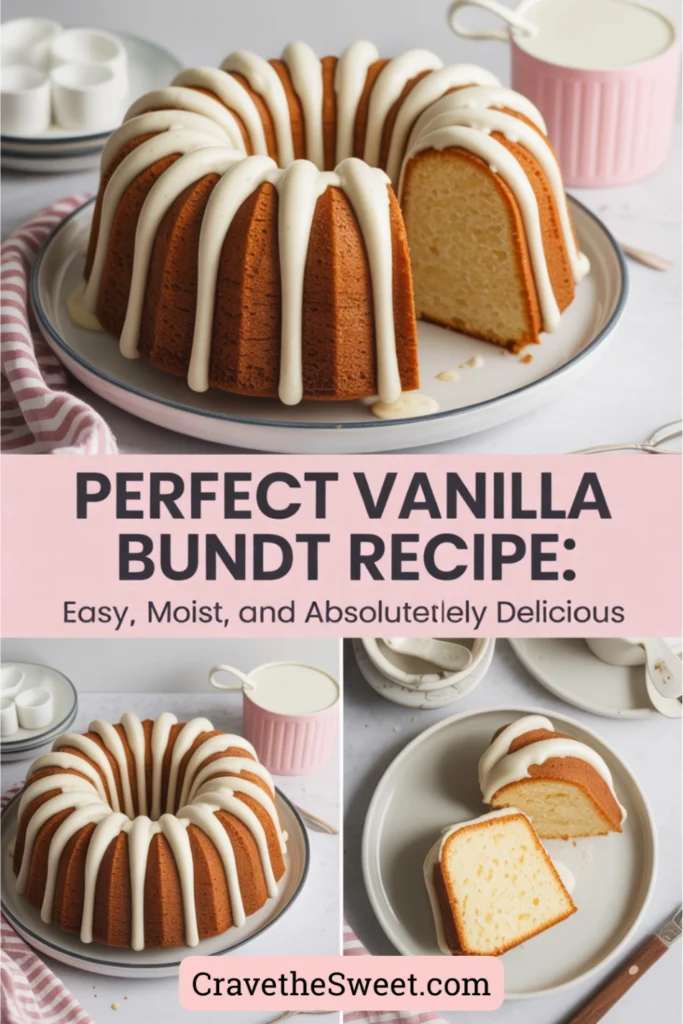
Last spring, I volunteered to bring dessert to a neighborhood potluck and panicked because I’m not exactly known for my baking skills. My mom suggested making a bundt cake, promising me it would look impressive while being foolproof. She was absolutely right. That beautifully shaped cake came out of the pan like magic, and everyone assumed I was some kind of baking expert. The truth is, this bundt cake recipe has saved me countless times since then, and it’s become my go-to whenever I need something that tastes amazing and looks like I spent hours in the kitchen.
Why You’ll Love This Bundt Cake Recipe
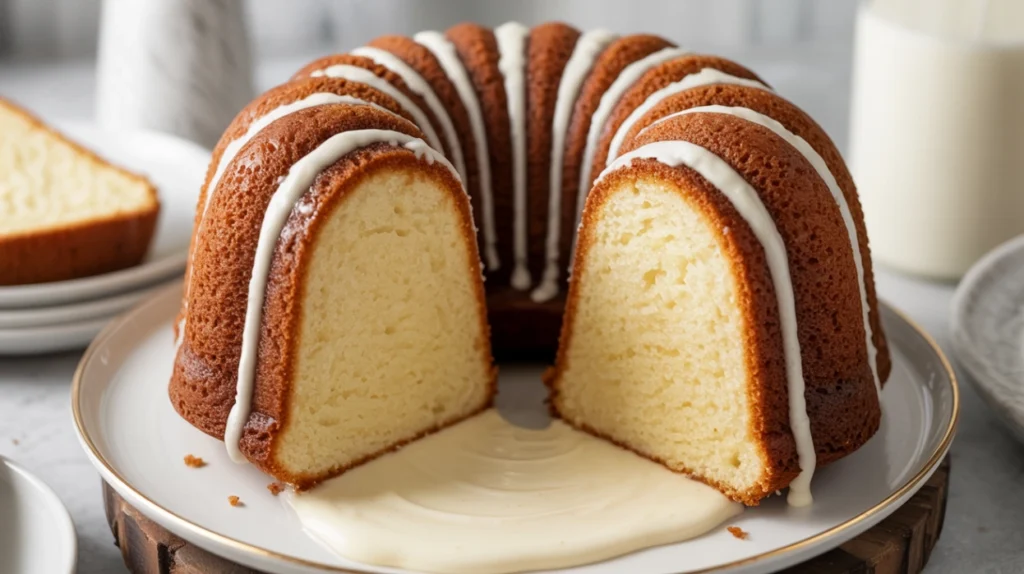
This recipe creates an incredibly moist, tender cake with a buttery vanilla flavor that appeals to everyone. The beauty of a bundt cake is that it looks elegant and bakery-worthy without requiring any decorating skills. No frosting, no piping bags, just a simple dusting of powdered sugar makes it stunning. The recipe uses basic pantry ingredients, nothing fancy or hard to find. It’s also surprisingly forgiving for beginners. Even if your mixing isn’t perfect, the cake still turns out wonderfully. Plus, bundt cakes actually taste better the next day as the flavors develop and the texture becomes even more tender, which makes them perfect for preparing ahead of any gathering.
What Is a Bundt Cake?
A bundt cake is simply a cake baked in a bundt pan, which is that distinctive ring-shaped pan with decorative grooves and a tube in the center. The pan was designed in the 1950s and quickly became an American baking staple. The unique shape isn’t just for looks, though it certainly makes a statement. The center tube allows heat to reach the middle of the cake more efficiently, ensuring even baking throughout. This means you get a perfectly cooked cake every time without worrying about raw centers or overdone edges. Bundt cakes are typically denser than layer cakes but lighter than pound cakes, with a fine crumb that holds together beautifully when sliced. They’re versatile enough to serve at casual family dinners or fancy celebrations.
Common Mistakes to Avoid
The biggest mistake people make with this bundt cake recipe is not preparing the pan properly. You must generously grease every nook and cranny of that bundt pan, including the tube and all those decorative ridges. Missing even one spot means your cake might stick. Use softened butter and a pastry brush to get into all the crevices, then dust with flour and tap out the excess. Another common error is opening the oven door too early. Keep that door closed for at least the first forty minutes of baking. Opening it causes temperature fluctuations that can make your cake sink in the middle. Also, don’t overmix the batter once you add the flour. Mix just until the ingredients are combined and you no longer see dry streaks. Overmixing develops too much gluten, resulting in a tough, dense cake instead of a tender one. Finally, be patient when removing the cake from the pan. If you try to invert it while it’s too hot, it will break apart. Wait the full ten minutes as directed.
How to Know When Your Bundt Cake Is Done
The most reliable test is inserting a wooden skewer or toothpick into the thickest part of the cake. It should come out clean or with just a few moist crumbs attached. If you see wet batter, it needs more time. The cake should also pull away slightly from the sides of the pan and spring back when gently pressed with your finger. The top should be golden brown and set, not jiggly. Your kitchen will smell absolutely amazing when it’s done, with that warm vanilla and butter aroma filling the air. If you’re using an oven thermometer and following the timing closely, you can trust the visual cues along with the toothpick test.
What to Serve With Bundt Cake
This versatile cake pairs beautifully with so many accompaniments. For a simple presentation, just dust it with powdered sugar and serve slices with fresh berries and whipped cream on the side. The tartness of raspberries or strawberries cuts through the richness perfectly. Coffee or tea makes this bundt cake recipe shine at brunch or afternoon gatherings. For a more indulgent dessert, drizzle warm chocolate or caramel sauce over each slice and add a scoop of vanilla ice cream. During summer, serve it with macerated peaches or a berry compote. In fall, pair it with spiced apple cider and a dollop of cinnamon whipped cream. You can also toast slices in butter for an incredible breakfast treat that tastes like French toast.
Storage Tips for Maximum Freshness
Once your bundt cake has cooled completely, wrap it tightly in plastic wrap or aluminum foil. It will stay fresh at room temperature for up to four days. The cake actually improves after a day or two as the texture becomes more tender and the flavors meld together. If you want to keep it longer, freeze individual slices wrapped in plastic wrap and placed in a freezer bag. Frozen slices keep for up to three months and thaw quickly at room temperature in about an hour. You can also freeze the entire cake wrapped well in plastic wrap and foil. For the best texture, let frozen cake thaw in the refrigerator overnight, then bring to room temperature before serving. Avoid refrigerating bundt cake unless absolutely necessary, as refrigeration can dry it out.
Estimated Nutrition Information
Per slice (based on 12 servings): Approximately 340 calories, 16g fat, 45g carbohydrates, 1g fiber, 28g sugar, and 4g protein. This is a treat to be enjoyed in moderation as part of a balanced diet.
Recipe Overview
Prep Time: 15 minutes
Cook Time: 50 minutes
Total Time: 1 hour 15 minutes (includes cooling)
Difficulty Level: Easy
Servings: 12 slices
Ingredients
- 3 cups all-purpose flour
- 2 teaspoons baking powder
- 1/2 teaspoon salt
- 1 cup unsalted butter, softened to room temperature
- 2 cups granulated sugar
- 4 large eggs, at room temperature
- 2 teaspoons vanilla extract
- 1 cup whole milk, at room temperature
- Powdered sugar for dusting
Step-by-Step Instructions
Begin by preheating your oven to 325 degrees Fahrenheit. This temperature ensures even baking throughout the cake. Thoroughly grease your bundt pan with softened butter, making sure to coat every ridge and crevice. Dust the buttered pan with flour, tapping out any excess. This step is crucial for easy release.
In a medium bowl, whisk together the flour, baking powder, and salt. Set this dry mixture aside while you prepare the wet ingredients.
In a large mixing bowl, beat the softened butter with an electric mixer on medium speed for about one minute until creamy. Gradually add the sugar and continue beating for three to four minutes until the mixture is light, fluffy, and pale in color. This creaming process incorporates air into your bundt cake recipe, contributing to its tender texture.
Add the eggs one at a time, beating well after each addition. Make sure each egg is fully incorporated before adding the next. Mix in the vanilla extract until combined.
Now comes the important part. With your mixer on low speed, add the flour mixture in three additions, alternating with the milk in two additions. Start and end with the flour. This means you’ll add flour, then milk, then flour, then milk, then flour. Mix each addition just until combined. Don’t overmix once the flour is added, as this can make your cake tough.
Pour the batter into your prepared bundt pan, spreading it evenly. Tap the pan gently on the counter a few times to release any air bubbles trapped in the batter.
Bake for forty-five to fifty-five minutes. Remember not to open the oven door for at least the first forty minutes. Start checking for doneness at the forty-five minute mark by inserting a toothpick into the cake. When it comes out clean or with just a few moist crumbs, your cake is ready.
Remove the pan from the oven and place it on a wire cooling rack. Let the cake cool in the pan for exactly ten minutes. This cooling period allows the cake to firm up slightly, making it easier to remove from the pan without breaking.
After ten minutes, place your serving plate upside down on top of the bundt pan. Using oven mitts, carefully flip both the pan and plate together so the plate is now on the bottom. Gently lift the pan off the cake. If any pieces stick, use a butter knife to carefully loosen them and patch any spots.
Allow the cake to cool completely before dusting with powdered sugar. Use a fine mesh sieve to evenly distribute the sugar over the top for a beautiful finish.
This bundt cake recipe delivers perfect results every single time, and now you have a foolproof dessert ready to impress at your next gathering!