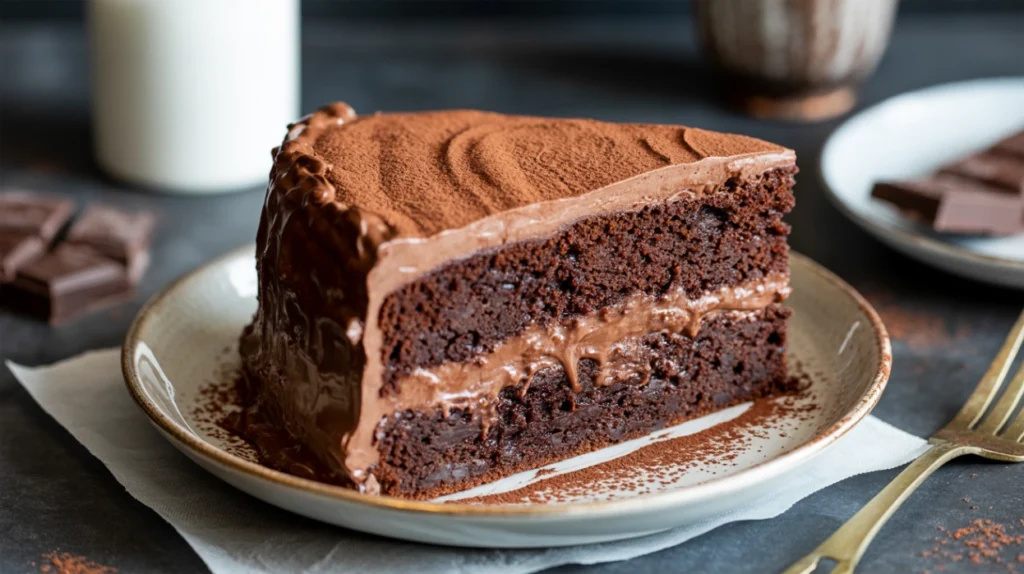
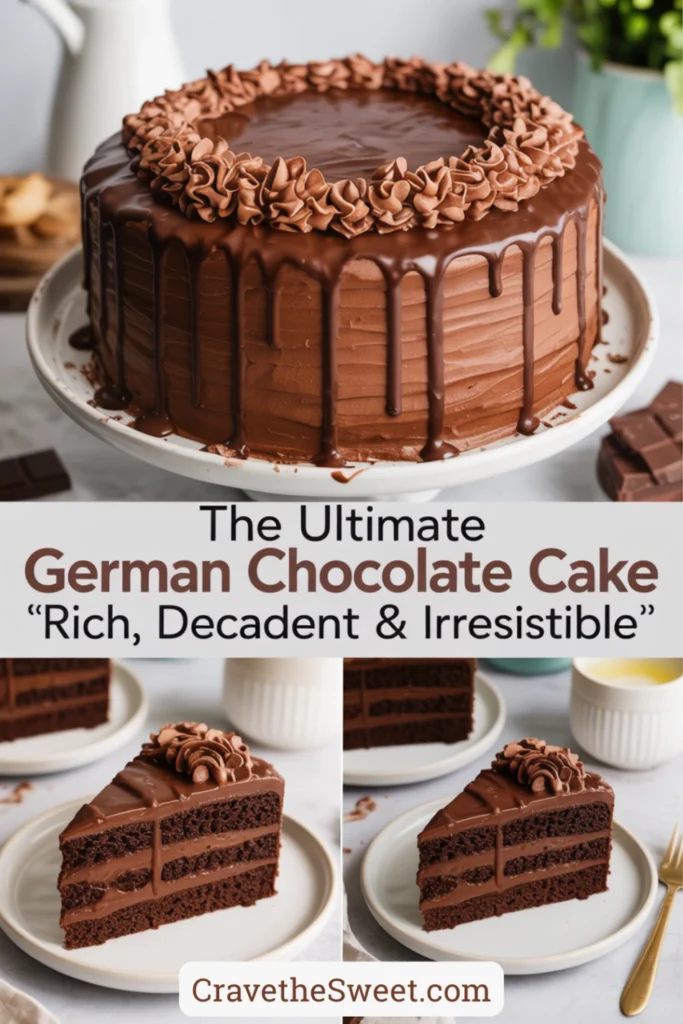
My mother-in-law brought a towering German chocolate cake to our first Thanksgiving together, and I honestly couldn’t stop staring at it. Three layers of deep brown cake covered in that iconic coconut-pecan frosting looked like something from a fancy bakery. When I finally tasted it, the combination of moist chocolate cake and sweet, nutty frosting absolutely blew my mind. I begged her for the recipe, convinced it would be too complicated for someone like me. She laughed and told me it was much easier than it looked. She was right. This German chocolate cake recipe has since become my signature dessert, the one everyone requests for special occasions, and I’m excited to share it with you today.
Why You’ll Love This German Chocolate Cake Recipe
This cake delivers everything you could want in a showstopping dessert. The chocolate layers are incredibly moist and tender with a mild, sweet chocolate flavor that’s less intense than traditional chocolate cake. What really sets it apart is that famous coconut-pecan frosting, a rich, caramel-like mixture studded with toasted coconut and crunchy pecans. The texture contrast between the soft cake and the chewy, nutty frosting is absolutely divine. Despite looking impressive, this German chocolate cake recipe is surprisingly approachable for home bakers. You don’t need professional decorating skills since the rustic frosting naturally looks beautiful. It also feeds a crowd, making it perfect for birthdays, holidays, potlucks, or any celebration. Best of all, it tastes even better the next day as the flavors meld together and the frosting soaks slightly into the cake layers.
What Is German Chocolate Cake?
Contrary to what the name suggests, German chocolate cake isn’t actually from Germany. It was created in America and named after Samuel German, who developed a type of sweet baking chocolate in the 1850s. The cake became famous in the 1950s when a Texas homemaker’s recipe using this chocolate was published and became wildly popular across the country. A true German chocolate cake consists of layers of mild, sweet chocolate cake paired with a distinctive coconut-pecan frosting made from evaporated milk, sugar, egg yolks, butter, vanilla, shredded coconut, and chopped pecans. Unlike many chocolate cakes that use chocolate frosting, this version features only the coconut-pecan mixture, which is spread between layers and on top, often leaving the sides exposed. The result is a unique flavor profile that’s sweet, nutty, and absolutely unforgettable.
Common Mistakes to Avoid
The most common mistake when making this German chocolate cake recipe is overcooking the coconut-pecan frosting. This frosting needs to thicken on the stovetop, but if you cook it too long, it becomes stiff and difficult to spread. Remove it from the heat as soon as it reaches a pudding-like consistency. Another frequent error is trying to frost the cake while it’s still warm. Warm cake layers will cause the frosting to slide right off or absorb too quickly, creating a mess. Always let your cake layers cool completely before assembling. Many bakers also make their frosting too thin by not cooking it long enough. It should be thick enough to stay put between layers without running down the sides excessively. Using stale coconut or pecans affects the final taste significantly, so make sure your ingredients are fresh. Finally, don’t skip toasting the pecans if you have time. This extra step brings out their natural oils and intensifies their flavor, making your cake even more delicious.
How to Know When Your Cake Is Done
Properly baked cake layers make all the difference in achieving that perfect moist texture. Start checking your cakes around the 25-minute mark, even if the recipe suggests longer. The tops should look set and have a slight spring when gently pressed with your fingertip. Insert a toothpick into the center of each cake layer. It should come out clean or with just a few moist crumbs attached, never wet batter. The edges of the cake should also be pulling away slightly from the sides of the pan. Another good indicator is color; the cake should be a rich, dark brown throughout. Remember that oven temperatures vary, so your baking time might differ from what’s written. It’s always better to check early than to end up with dry, overbaked layers that will compromise your entire German chocolate cake recipe.
What to Serve With German Chocolate Cake
German chocolate cake is rich and substantial, so it pairs best with simple accompaniments that don’t compete with its distinctive flavors. A glass of cold milk is the classic pairing that many people remember from childhood, and it remains perfect for cutting through the cake’s richness. Hot coffee, especially a medium roast, complements the chocolate beautifully and makes this an ideal dessert for afternoon gatherings. Vanilla ice cream on the side adds a cool, creamy element that contrasts nicely with the room-temperature cake. Some people enjoy a dollop of lightly sweetened whipped cream, though the cake is certainly sweet enough on its own. For an elegant presentation at dinner parties, serve small slices with fresh raspberries or strawberries on the side. The slight tartness of the berries balances the sweetness perfectly. A scoop of butter pecan ice cream is another natural pairing that echoes the nutty flavors in the frosting.
Storage Tips for Maximum Freshness
Store your German chocolate cake properly to keep it tasting fresh for days. Once assembled and frosted, cover the cake loosely with plastic wrap or place it under a cake dome at room temperature. The frosting contains eggs and dairy, but the high sugar content acts as a preservative, making it safe at room temperature for about two days. For longer storage, refrigerate the covered cake for up to five days. The texture will firm up in the fridge, so remove it about an hour before serving to let it come to room temperature for the best taste and texture. You can also freeze this cake successfully for up to three months. Wrap the entire frosted cake tightly in plastic wrap, then in aluminum foil. For easier serving, consider freezing individual slices wrapped separately. Thaw frozen cake overnight in the refrigerator, then bring to room temperature before enjoying.
Estimated Nutrition Information
Per serving (based on 12 slices): Approximately 480 calories, 26g fat, 58g carbohydrates, 6g protein, 95mg cholesterol, 320mg sodium. Values may vary based on specific ingredients used.
Recipe Overview
Prep Time: 30 minutes
Cook Time: 30 minutes
Total Time: 1 hour (plus cooling time)
Difficulty: Medium
Servings: 12 slices
Ingredients
For the cake:
- 2 cups all-purpose flour
- 2 cups granulated sugar
- 3/4 cup unsweetened cocoa powder
- 2 teaspoons baking soda
- 1 teaspoon baking powder
- 1 teaspoon salt
- 2 large eggs
- 1 cup buttermilk
- 1 cup strong brewed coffee, cooled
- 1/2 cup vegetable oil
- 1 teaspoon vanilla extract
For the coconut-pecan frosting:
- 1 cup evaporated milk
- 1 cup granulated sugar
- 3 large egg yolks
- 1/2 cup unsalted butter
- 1 teaspoon vanilla extract
- 1 and 1/3 cups sweetened shredded coconut
- 1 cup chopped pecans, lightly toasted
Step-by-Step Instructions
Preheat your oven to 350°F. Grease two 9-inch round cake pans generously with butter or baking spray, then line the bottoms with parchment paper circles. This ensures easy removal after baking.
In a large mixing bowl, whisk together the flour, sugar, cocoa powder, baking soda, baking powder, and salt until well combined and no lumps remain. In a separate bowl, whisk together the eggs, buttermilk, cooled coffee, vegetable oil, and vanilla extract until smooth. The coffee enhances the chocolate flavor without making the cake taste like coffee.
Pour the wet ingredients into the dry ingredients and mix with a wooden spoon or electric mixer on low speed just until combined. Don’t overmix. The batter will be quite thin, which is exactly right for this German chocolate cake recipe. Divide the batter evenly between your prepared pans.
Bake for 28 to 32 minutes, using the doneness tests described earlier. When done, remove from the oven and let the cakes cool in their pans for 10 minutes. Then carefully turn them out onto wire racks, remove the parchment paper, and let them cool completely. This is crucial before frosting.
While the cakes cool, make your coconut-pecan frosting. In a medium saucepan, combine the evaporated milk, sugar, egg yolks, and butter. Cook over medium heat, stirring constantly, until the mixture thickens to a pudding-like consistency. This takes about 10 to 12 minutes. The mixture should coat the back of a spoon and hold its shape slightly.
Remove from heat and stir in the vanilla extract, shredded coconut, and chopped pecans. Let the frosting cool to room temperature, stirring occasionally. It will thicken more as it cools.
Once everything is completely cool, assemble your cake. Place one cake layer on your serving plate. Spread half of the coconut-pecan frosting over the top, going right to the edges. Place the second cake layer on top and spread the remaining frosting over it. Traditionally, the sides are left unfrosted, showing off the beautiful dark cake layers. However, if you have extra frosting, you can spread a thin layer on the sides as well.
Let the assembled cake sit for at least 30 minutes before slicing to allow the frosting to set slightly. This German chocolate cake recipe creates a dessert that looks bakery-perfect and tastes even better than you remember.