I first tasted halvah at a Middle Eastern market when the owner insisted I try a sample. I was skeptical about a candy made from sesame paste, but one bite changed my mind completely. The crumbly yet creamy texture, the delicate sweetness, and that distinctive nutty flavor were unlike anything I’d experienced. When I mentioned wanting to make it at home, she laughed and said most people think it’s too complicated. But she shared her family’s halvah recipe with me, and I discovered it’s actually quite simple—just three main ingredients and a candy thermometer. Now I make batches regularly and give them as gifts to friends who are always amazed I made it myself.
Why You’ll Love This Halvah Recipe
This halvah recipe creates an authentic Middle Eastern confection that’s far superior to store-bought versions. You control the sweetness level and can customize the flavors with additions like pistachios, chocolate, or vanilla. The recipe uses simple, wholesome ingredients—tahini, sugar, and water—making it naturally vegan and gluten-free. While it requires attention during cooking, the actual technique is straightforward and doesn’t demand advanced candy-making skills. The resulting halvah has that signature crumbly yet smooth texture that melts in your mouth, with a rich sesame flavor that’s not overly sweet. Making it fresh means you get the best possible texture and taste, plus you avoid the preservatives found in commercial versions. It’s also surprisingly economical since tahini is the main ingredient and a little goes a long way.
What Is Halvah?
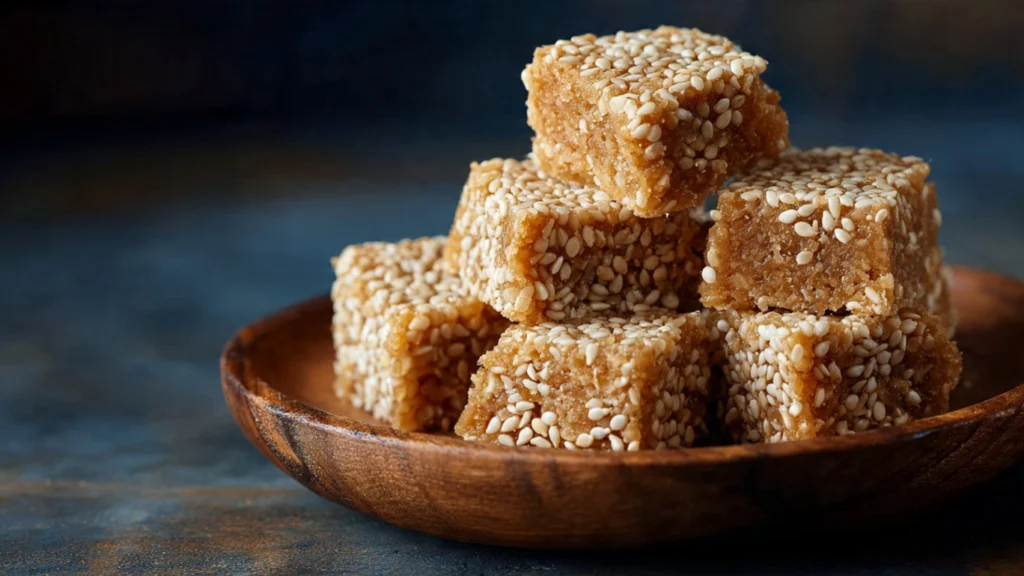
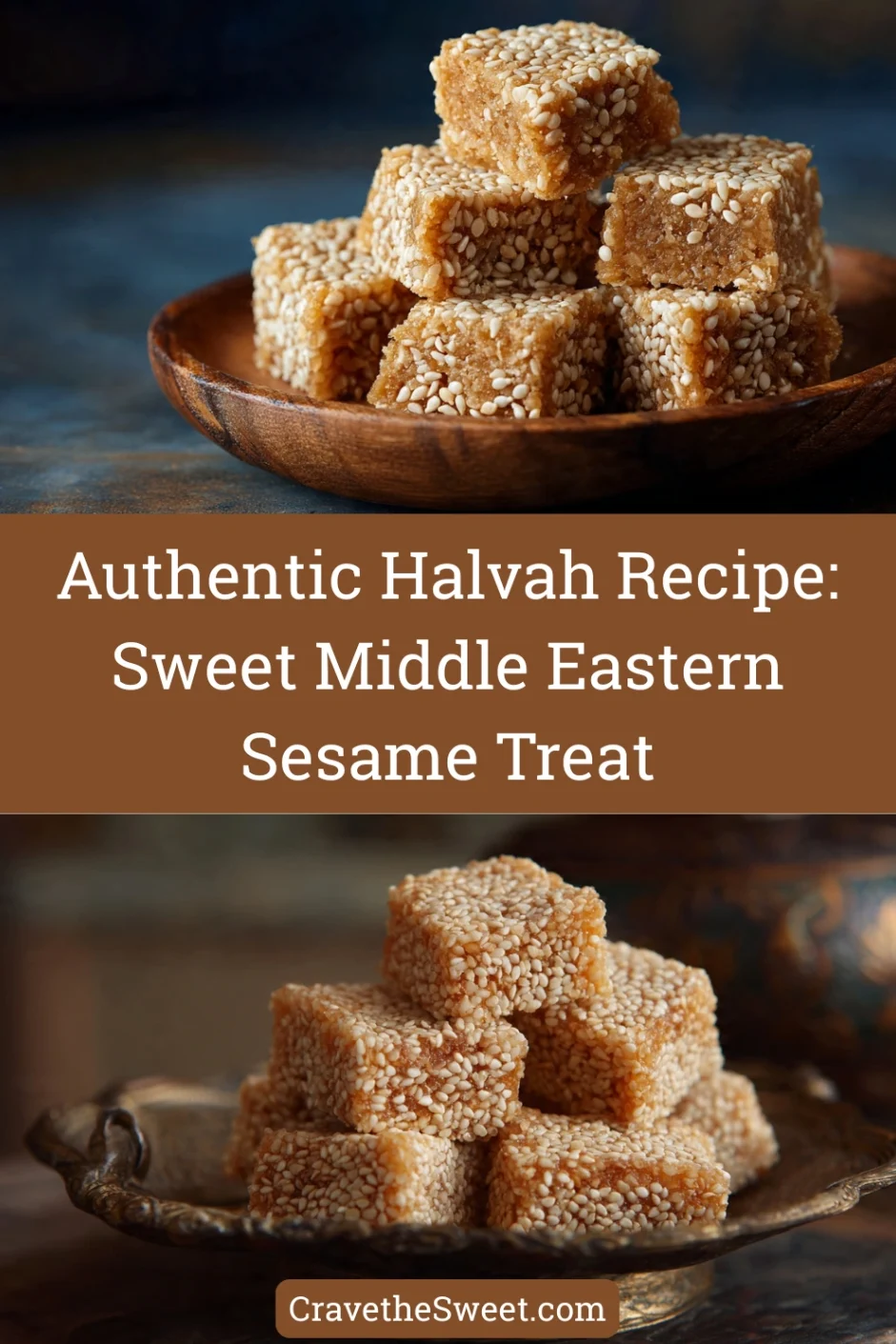
Halvah is a traditional Middle Eastern confection made primarily from tahini (sesame paste) and sugar syrup. This halvah recipe produces the sesame-based version popular in Mediterranean, Middle Eastern, and Jewish cuisines, though other regional variations exist using ingredients like semolina or flour. The magic happens when hot sugar syrup is whisked into tahini, creating a chemical reaction that transforms the mixture into a unique crumbly yet creamy texture. The word “halvah” comes from the Arabic word for “sweet,” and it’s been enjoyed for centuries across many cultures. Quality halvah should have a delicate, flaky texture that’s neither too hard nor too soft, with a rich, nutty flavor from the sesame seeds. It’s often studded with nuts, swirled with chocolate, or flavored with vanilla or rose water. The texture is distinctive—it crumbles when cut but melts smoothly on your tongue.
Common Mistakes to Avoid
The biggest mistake with this halvah recipe is not cooking the sugar syrup to the correct temperature. If it’s undercooked, the halvah won’t set properly and will be too soft or sticky. If overcooked, it becomes rock-hard and difficult to eat. Use a candy thermometer and aim for exactly 240°F.
Another common error is using poor-quality or separated tahini. Old tahini that has oil pooling on top needs to be stirred thoroughly before measuring. The consistency should be smooth and pourable like natural peanut butter, not dry or grainy.
Adding the hot syrup too quickly to the tahini causes it to seize up into hard lumps instead of incorporating smoothly. You must pour it in a slow, steady stream while whisking constantly and vigorously.
Not whisking long enough after combining the ingredients means the mixture won’t develop the right texture. You need to whisk for several minutes until the mixture thickens, lightens in color, and starts to pull away from the bowl sides.
Using a pan that’s too small makes the mixture difficult to work with and increases the risk of burning. Use at least a 2-quart saucepan for this recipe.
Finally, cutting the halvah too soon, before it’s fully set, results in a crumbly mess. Patience is essential—let it firm up completely at room temperature.
How to Know When Your Halvah Is Done
During cooking, your sugar syrup is ready when it reaches exactly 240°F on a candy thermometer, which is the soft-ball stage. At this temperature, a small amount dropped into cold water will form a soft, pliable ball.
After adding the syrup to the tahini and whisking, the mixture should transform from smooth and pourable to thick and somewhat grainy-looking. This process takes 3-5 minutes of vigorous whisking.
The mixture will lighten slightly in color as you whisk, going from a deep brown to a lighter, more golden brown. This color change indicates the mixture is incorporating air and developing the right structure.
When you stop whisking, the mixture should be thick enough to slowly fall from the whisk in thick ribbons rather than pouring freely. It should also pull away slightly from the bowl sides.
After pressing the mixture into your pan, it needs 2-4 hours at room temperature to fully set. The halvah is ready when it feels firm to the touch and holds its shape when you press gently on the surface.
When you cut into it, this halvah recipe should produce clean slices that hold together but have that characteristic flaky, crumbly texture.
What to Serve With Halvah
This halvah recipe creates a sweet treat that’s traditionally enjoyed with strong Turkish coffee or mint tea. The bitter coffee perfectly balances the sweetness of the candy.
Halvah makes an excellent addition to a dessert platter alongside dates, dried figs, and nuts for an authentic Middle Eastern spread.
Crumbled halvah over vanilla ice cream creates a delightful textural contrast and adds nutty depth to the creamy dessert.
It pairs beautifully with fresh fruit, especially oranges or pomegranate seeds, which provide a tart counterpoint to the sweet, rich sesame flavor.
Some people enjoy halvah spread on toast or crackers for breakfast or a snack, similar to how you might use nut butter.
In Greece, halvah is often served with a glass of cold water to cleanse the palate between bites of this rich confection.
Thin slices alongside strong black tea make a perfect afternoon pick-me-up that’s common throughout the Middle East.
Storage Tips
Store your finished halvah in an airtight container at room temperature for up to 2 weeks. Keep it away from direct sunlight and heat, which can cause it to soften or become oily.
Layer pieces between sheets of parchment paper to prevent them from sticking together, especially in warm or humid weather.
For longer storage, refrigerate the halvah in an airtight container for up to 6 weeks. Let it come to room temperature before serving for the best texture and flavor.
This halvah recipe also freezes exceptionally well. Wrap pieces individually in parchment paper, place in a freezer bag, and freeze for up to 3 months. Thaw at room temperature for about 30 minutes before eating.
In hot, humid climates, refrigeration is recommended even for short-term storage, as the candy can become soft and sticky at room temperature.
If the halvah develops any oil on the surface during storage, simply blot it with a paper towel. This is natural separation and doesn’t mean the candy has gone bad.
Never store halvah in direct contact with other strong-smelling foods, as it can absorb odors easily.
Estimated Nutrition (Per 1-Ounce Serving)
Calories: 165 | Total Fat: 10g | Saturated Fat: 1.5g | Cholesterol: 0mg | Sodium: 15mg | Total Carbohydrates: 17g | Dietary Fiber: 1g | Sugars: 16g | Protein: 3g
Note: Nutritional values are approximate and will vary based on specific ingredients and additions like nuts or chocolate.
Recipe Overview
Prep Time: 10 minutes
Cook Time: 15 minutes
Total Time: 3 hours 25 minutes (including setting time)
Difficulty: Medium
Servings: About 20 pieces (1 pound)
Ingredients
For Basic Halvah:
- 1 cup granulated sugar
- ½ cup water
- 1 cup tahini (well-stirred, room temperature)
- 1 teaspoon vanilla extract (optional)
- Pinch of salt
Optional Add-ins:
- ¼ cup chopped pistachios
- ¼ cup chocolate chips
- 2 tablespoons cocoa powder
- 1 teaspoon rose water (replace vanilla)
Step-by-Step Instructions
Step 1: Line an 8×4-inch loaf pan with parchment paper, leaving overhang on the sides for easy removal. Alternatively, use a small baking dish. Set aside.
Step 2: Ensure your tahini is at room temperature and well-stirred. If there’s oil separation, stir thoroughly until completely smooth and uniform. Measure out exactly 1 cup and place it in a large heatproof bowl.
Step 3: In a medium saucepan, combine sugar and water. Stir gently over medium heat until the sugar completely dissolves. Avoid stirring once the sugar dissolves.
Step 4: Attach a candy thermometer to the side of the saucepan, making sure the tip doesn’t touch the bottom. Increase heat to medium-high and bring the mixture to a boil without stirring.
Step 5: Let the syrup boil until it reaches exactly 240°F on the candy thermometer, which takes about 8-10 minutes. Watch carefully as it approaches temperature—it can overshoot quickly.
Step 6: While the syrup cooks, add vanilla extract and salt to the tahini in the bowl. Have a whisk ready, as you’ll need to work quickly once the syrup is ready.
Step 7: The moment the syrup reaches 240°F, remove it from heat immediately. Very carefully pour the hot syrup into the tahini in a slow, steady stream while whisking constantly and vigorously with your other hand.
Step 8: Continue whisking vigorously for 3-5 minutes. The mixture will thicken, lighten slightly in color, and become grainy-looking. Your arm will get tired, but keep whisking until the mixture pulls away from the bowl sides.
Step 9: If adding nuts, chocolate chips, or other mix-ins, fold them in quickly now with a spatula. Work fast, as the mixture starts to set quickly.
Step 10: Immediately scrape the mixture into your prepared pan. Use the spatula to press it firmly and evenly into the pan, smoothing the top. Work quickly before it hardens.
Step 11: Let the halvah sit at room temperature for at least 3 hours or until completely firm. Don’t refrigerate during this initial setting period, as it needs to set at room temperature for the proper texture.
Step 12: Once firm, use the parchment overhang to lift the halvah from the pan. Cut into squares or rectangles with a sharp knife. Store in an airtight container and enjoy!
This authentic treat is well worth the effort—enjoy your homemade halvah!