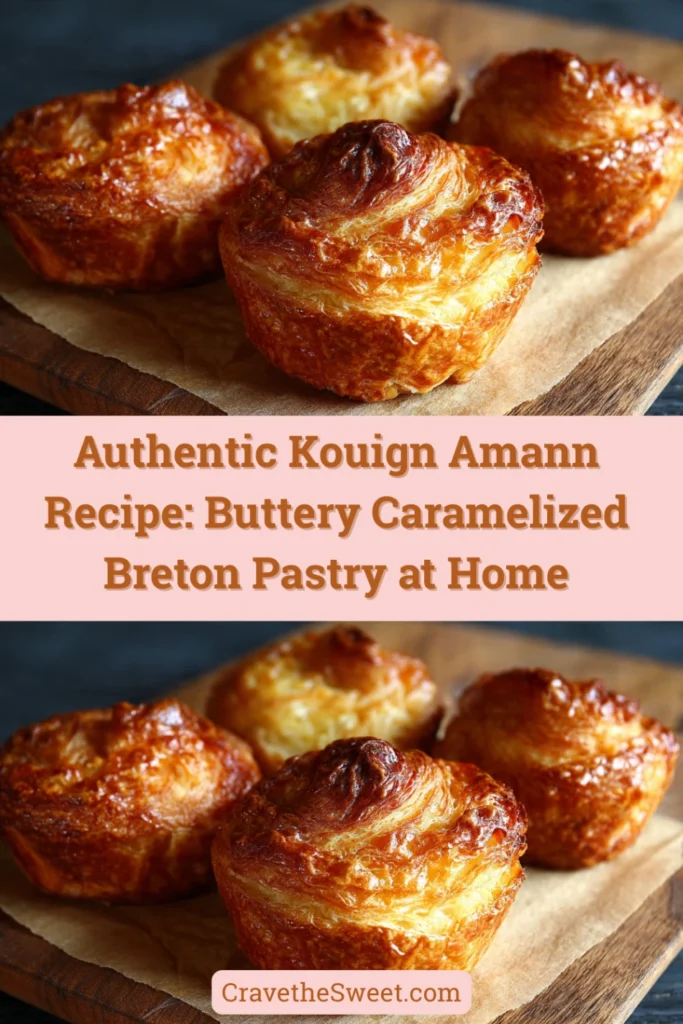
I first discovered kouign amann at a small bakery in San Francisco, and it completely changed my understanding of what pastry could be. The baker pronounced it “queen ah-mahn” and described it as butter cake from Brittany, France. When I bit into that golden, caramelized layers with crispy edges and a tender interior, I experienced the most incredible combination of textures I’d ever encountered. The sweet, buttery, slightly salty flavor was unlike anything I’d tasted. I became obsessed with learning to make it at home, and while the process seemed daunting at first, I eventually mastered this kouign amann recipe that brings that magical bakery experience to my own kitchen.
Why You’ll Love This Kouign Amann Recipe
These stunning pastries deliver an unforgettable combination of crispy caramelized exterior and tender, buttery layers that literally melt in your mouth. While the technique requires some patience and planning, the actual hands-on work is manageable for home bakers willing to follow instructions carefully. The wow factor is enormous—serving homemade kouign amann immediately establishes you as a serious baker among friends and family. The flavor profile is complex and satisfying, with notes of caramel, butter, and a subtle saltiness that prevents it from being cloying. Unlike many laminated doughs that must be perfectly precise, kouign amann is surprisingly forgiving due to all the sugar and butter involved. Making them fresh at home means you can enjoy them at peak quality, right when they’re still warm with those crispy edges intact. They’re also more affordable than buying them from specialty bakeries where they often cost five dollars or more per pastry. The process itself is deeply satisfying, transforming simple ingredients into something truly spectacular through technique and time.
What Is Kouign Amann?
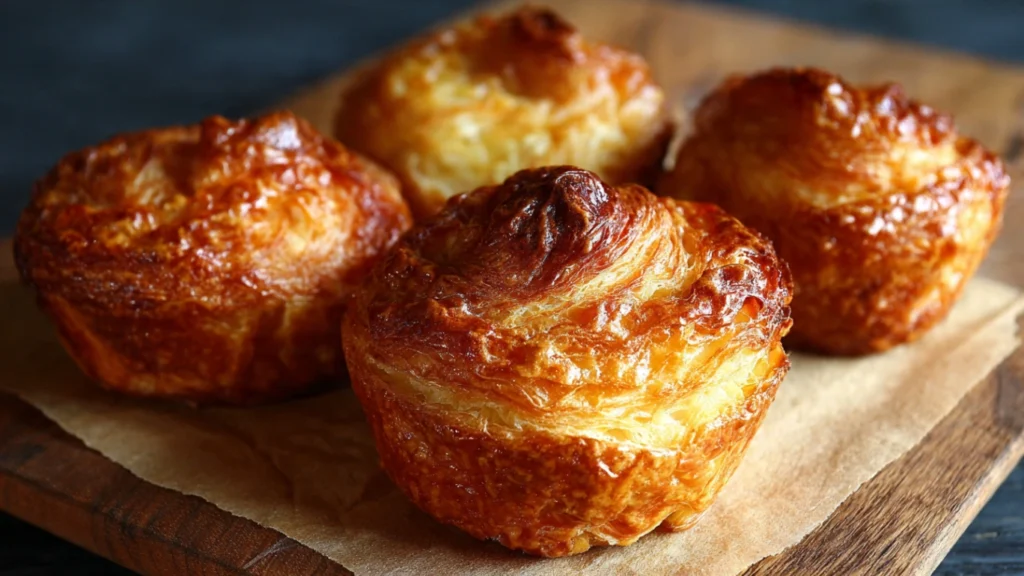
Kouign amann is a traditional Breton pastry from the Finistère region of northwestern France. The name comes from Breton words meaning “butter cake,” which perfectly describes its essential character. This pastry is made by folding layers of butter and sugar into yeasted dough, similar to croissant technique but with the crucial addition of sugar in the layers. When baked, the sugar caramelizes both inside and outside the pastry, creating that signature crackling caramelized crust while the butter creates flaky, tender layers. The result is simultaneously crispy, flaky, buttery, sweet, and slightly salty. Traditional versions are baked in round cake pans, creating one large pastry that’s sliced into wedges, though modern variations are often shaped into individual portions baked in muffin tins. The sugar content is quite high, making these pastries rich and sweet but balanced by the butter and salt. Kouign amann represents one of the pinnacle achievements in laminated dough baking, showcasing how simple ingredients can create extraordinary complexity through technique.
Common Mistakes to Avoid
Creating perfect kouign amann requires attention to detail, and several common errors can affect results. The most critical mistake is allowing the butter to get too warm during the folding process, which causes it to leak out rather than forming distinct layers. Keep everything cold and work quickly, refrigerating between folds if needed. Using salted butter when the recipe calls for unsalted, or vice versa, throws off the delicate salt balance that makes these pastries special. Another frequent issue is not rolling the dough evenly, resulting in uneven layers and inconsistent baking. Take time to roll carefully and measure the dimensions. Some bakers skip resting periods, trying to rush the process, which results in dough that shrinks back constantly and becomes tough. Each rest period allows the gluten to relax and is essential. Overflouring the work surface seems helpful but actually interferes with lamination and can create dry spots in the finished pastry. Use just enough flour to prevent sticking. Many people also overbake them, going for deep golden color everywhere, but kouign amann should have variation—darker caramelized spots with some lighter areas. Finally, not properly greasing the pans leads to stuck pastries since the caramelized sugar acts like glue.
How to Know They’re Done
Perfectly baked kouign amann has distinct visual and textural indicators. The pastries should be deeply golden brown with dark caramelized spots, particularly on the edges and bottom where sugar has pooled and caramelized. The top will have areas of lighter golden color mixed with the darker caramelization. When you look at the sides, you should see distinct layers visible. If you gently tap the top, it should sound hollow rather than dense. The exterior should appear crispy and candied, with visible crystallization from the caramelized sugar. The total baking time typically ranges from thirty-five to forty-five minutes depending on your oven and whether you’re making individual portions or one large pastry. Individual portions in muffin tins generally take about thirty-five to forty minutes at 350°F. The pastries will puff up significantly during baking and smell intensely buttery and caramelized. Let them cool for just five to ten minutes before removing from pans—if you wait too long, the caramelized sugar hardens and makes removal difficult, but removing them too soon causes them to fall apart.
What to Serve With Kouign Amann
These rich, buttery pastries are substantial enough to stand alone but pair beautifully with certain beverages and accompaniments. Strong black coffee is traditional and provides a perfect bitter contrast to the sweet, buttery pastry. Espresso works wonderfully for the same reason. For a more indulgent pairing, café au lait or a latte complements the buttery richness. Hot tea, particularly robust black teas or Earl Grey, cuts through the richness nicely. They’re perfect for breakfast or brunch alongside fresh fruit and yogurt to balance the richness. At afternoon tea, serve them as the star attraction with lighter accompaniments. Some people enjoy them with a glass of cold milk, especially when serving them to kids or as an afternoon snack. A small scoop of vanilla ice cream or crème fraîche alongside provides a nice temperature and textural contrast. Fresh berries, particularly tart ones like raspberries or blackberries, offer a refreshing counterpoint to the sweet pastry. They’re best served slightly warm, when the caramelized exterior is still crispy and the interior is tender.
Storage Tips
Kouign amann is absolutely best enjoyed fresh and warm from the oven when the exterior is at its crispiest. However, if you have leftovers or want to prepare ahead, proper storage helps maintain quality. Once completely cooled, store them in an airtight container at room temperature for up to two days. The exterior will soften significantly during storage, losing that prized crispy texture. To restore some crispness, reheat in a 350°F oven for about five to eight minutes before serving. Never refrigerate kouign amann as the cold temperature makes the butter and sugar firm up unpleasantly and accelerates staling. For longer storage, freeze them once completely cool by wrapping individually in plastic wrap, then placing in a freezer bag. They’ll keep frozen for up to one month. Reheat frozen pastries directly from the freezer in a 350°F oven for about twelve to fifteen minutes until warmed through and slightly crispy again. The dough itself can be prepared through all the folding steps, shaped, and frozen unbaked. Bake directly from frozen, adding about five to ten minutes to the baking time. This make-ahead option is perfect for having fresh-baked kouign amann without doing all the work in one day.
Estimated Nutrition Information
Per pastry (individual portion): Approximately 380 calories, 22g fat, 42g carbohydrates, 26g sugar, 4g protein. These are rich, indulgent pastries meant for special occasions rather than everyday consumption.
Recipe Overview
Prep Time: 45 minutes (plus resting time)
Resting Time: 4 hours total (including overnight refrigeration)
Cook Time: 40 minutes
Total Time: About 6 hours (mostly hands-off)
Difficulty: Advanced
Servings: Makes 12 individual pastries
Ingredients
For the dough:
- 2 cups all-purpose flour, plus more for dusting
- 1 tablespoon granulated sugar
- 1 teaspoon salt
- 2 teaspoons instant yeast
- 3/4 cup warm water (about 100°F)
- 2 tablespoons unsalted butter, melted
For the butter block and layers:
- 1 cup (2 sticks) cold unsalted butter, preferably European-style
- 1 cup granulated sugar, divided
- Additional butter and sugar for the pans
Step-by-Step Instructions
Begin this kouign amann recipe by making the dough. In a large mixing bowl, whisk together the flour, one tablespoon sugar, salt, and instant yeast. Add the warm water and melted butter. Mix with a wooden spoon until a shaggy dough forms, then turn it out onto a lightly floured surface.
Knead the dough for about five to seven minutes until it becomes smooth and elastic. It should be slightly tacky but not sticky. If it’s too sticky, add flour one tablespoon at a time. Shape into a ball, place in a greased bowl, cover with plastic wrap, and let rise in a warm place for about one hour until doubled in size.
While the dough rises, prepare your butter block. Place the two sticks of cold butter between two sheets of parchment paper. Using a rolling pin, pound and roll the butter into a rectangle about six inches by four inches. The butter should be pliable but still cold—about the same consistency as the dough. If it gets too soft, refrigerate it until it firms up slightly. This step is crucial for successful lamination.
Once the dough has doubled, punch it down and turn it out onto a lightly floured surface. Roll it into a rectangle approximately ten inches by eight inches. The dough should be about twice the size of your butter block.
Place the butter block in the center of the dough rectangle. Fold the dough over the butter like a letter, bringing the top third down and the bottom third up to completely enclose the butter. Pinch all edges firmly to seal the butter inside. You’ve now created your laminated dough package.
Turn the dough ninety degrees so a short end faces you. Roll it out into a rectangle about sixteen inches long and eight inches wide. Sprinkle one-third cup of the sugar evenly over the entire surface. Fold into thirds again like a letter. This completes your first turn. Wrap the dough in plastic wrap and refrigerate for thirty minutes.
Remove the dough from the refrigerator and repeat the rolling, sugaring, and folding process exactly as before, using another one-third cup of sugar. This is your second turn. Wrap and refrigerate for another thirty minutes.
Perform a third and final turn using the remaining one-third cup of sugar in the same manner. After this turn, wrap the dough well and refrigerate for at least two hours, or preferably overnight. This long rest allows the gluten to relax completely and the layers to set.
When you’re ready to shape and bake, preheat your oven to 350°F. Generously butter a twelve-cup muffin tin, then sprinkle about half a teaspoon of sugar into each cup, tilting to coat the sides.
Remove the dough from the refrigerator and place it on a lightly floured surface. Roll it into a rectangle about twelve inches by sixteen inches and approximately one-quarter inch thick. The dough will be quite firm from the cold and the sugar, so let it sit for a few minutes if it resists rolling.
Using a pizza cutter or sharp knife, cut the dough into twelve equal squares, each about four inches. Working with one square at a time, bring all four corners to the center and pinch them together firmly. Place each shaped pastry pinched-side down into a prepared muffin cup, pressing gently to fit. The sugar-butter layers will create their magic as they bake.
Bake for thirty-five to forty minutes, rotating the pan halfway through for even browning. The kouign amann should be deeply golden brown with caramelized edges and should smell incredibly buttery. The sugar will bubble and caramelize around the edges.
Let the pastries cool in the pan for exactly five to seven minutes—this timing is important. They need to set slightly but the caramelized sugar should still be pliable. If you wait too long, they’ll stick.
Run a butter knife around each pastry to loosen it, then carefully invert the entire muffin tin onto a wire rack or parchment-lined surface. The pastries should release with their beautifully caramelized bottoms now on top. If any stick, gently coax them out with a spoon.
Let them cool for just a few minutes more until they’re warm but not burning hot. Serve these incredible pastries while they’re still warm for the ultimate kouign amann experience—crispy caramelized exterior giving way to tender, buttery layers that showcase exactly why this Breton pastry is considered one of the world’s greatest baked goods!