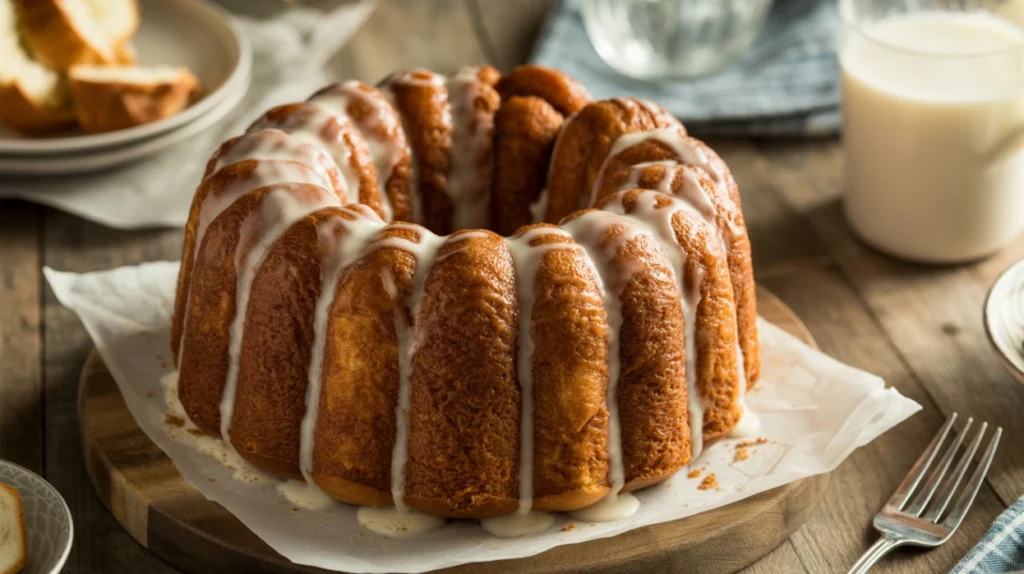
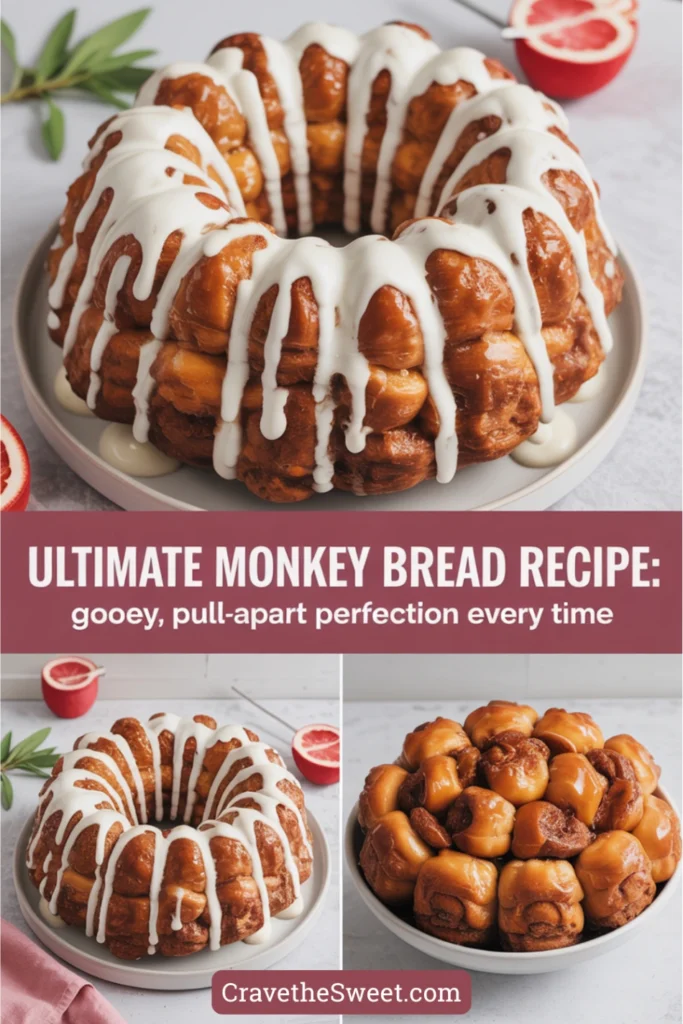
Christmas morning at my house always starts with monkey bread. This tradition began accidentally when I was running late one year and needed something quick that would still feel special. I remembered seeing a recipe that used refrigerated biscuit dough, and I figured I’d give it a try. The result was magical—sticky, cinnamon-sugar coated pieces that everyone pulled apart with their fingers, laughing and talking around the bundt pan. Now my kids wake up asking if it’s a monkey bread day, and I’ve made this monkey bread recipe for countless brunches, holidays, and lazy weekend mornings. It never fails to bring people together and create a warm, happy atmosphere.
Why You’ll Love This Monkey Bread Recipe
This bread is pure indulgence with its gooey cinnamon-sugar coating and buttery caramel sauce that pools at the bottom. The interactive eating experience makes it special—everyone pulls off pieces with their hands, making it feel casual and fun. What makes this monkey bread recipe truly great is how ridiculously easy it is. Using refrigerated biscuit dough means no yeast, no rising time, and no kneading. You can go from start to finish in under an hour. Despite the simplicity, it looks and tastes like you spent all morning baking. The aroma of cinnamon and butter filling your kitchen is absolutely intoxicating. Kids love helping make it because they can shake the dough pieces in the cinnamon-sugar bag. It’s incredibly versatile too—serve it for breakfast, brunch, dessert, or as a sweet snack. The recipe feeds a crowd but comes together with just a few basic ingredients.
What Is Monkey Bread?
Monkey bread is a sweet, sticky pull-apart bread made from pieces of dough coated in cinnamon-sugar and baked in a bundt pan with a butter and brown sugar mixture. The name likely comes from how you eat it—picking and pulling pieces apart with your fingers, similar to how monkeys might eat. The dessert became popular in America in the 1950s and gained even more fame when Nancy Reagan served her version at the White House in the 1980s. Traditional monkey bread uses yeast dough that’s cut into pieces, but modern versions often use refrigerated biscuit dough for convenience. The dough pieces are coated in cinnamon-sugar, then layered in a bundt pan with melted butter and brown sugar. During baking, everything caramelizes together, creating a gooey, sticky coating. When you flip it out of the pan, the caramel sauce cascades over the bread, making it irresistibly delicious.
Common Mistakes to Avoid
The biggest mistake with this monkey bread recipe is not greasing the bundt pan thoroughly enough. Every nook and cranny needs butter or cooking spray, or your beautiful creation will stick and tear when you try to remove it. Another error is cutting the biscuit pieces too large. They should be roughly the same size—about quarters—so they cook evenly. Some people don’t shake off excess cinnamon-sugar before adding the pieces to the pan, which can create clumps of dry sugar. A light coating is all you need. Not waiting long enough before flipping the pan is another common mistake. The bread needs five to ten minutes to set slightly, or the caramel will all run off. However, waiting too long causes the caramel to harden and stick. Using a pan that’s too small will cause overflow, while one that’s too large makes the bread spread too thin. A standard 10 or 12-cup bundt pan works best. Finally, some people overbake it, which makes the bread dry instead of gooey and tender.
How to Know When Your Monkey Bread Is Done
The top of the bread should be deeply golden brown with no pale, doughy spots visible. The sugar coating should look caramelized and bubbly. When you gently press on top with an oven mitt, it should feel firm and spring back slightly, not squishy. You can insert a toothpick or knife between the dough pieces—it should come out clean or with just a few moist crumbs, no raw dough. The edges should be pulling away from the sides of the bundt pan slightly. You’ll see brown sugar mixture bubbling around the edges and filling your kitchen with an amazing aroma. If the top is browning too quickly but the center isn’t done, tent it loosely with foil for the last 10 minutes of baking. Once done, let it cool in the pan for exactly five to ten minutes. This is crucial timing—it needs to set slightly but still be warm enough that the caramel hasn’t hardened.
What to Serve With Monkey Bread
This monkey bread recipe creates a treat that’s delicious on its own, but certain additions make it even better. Coffee is the classic pairing for breakfast or brunch—the slight bitterness balances the sweetness perfectly. Hot chocolate works wonderfully for kids or cozy mornings. Fresh fruit like strawberries, oranges, or berries on the side adds a refreshing contrast. Some people drizzle extra caramel sauce or cream cheese glaze over the top for maximum indulgence. Bacon or breakfast sausage alongside makes it a complete brunch spread. For a breakfast charcuterie board, surround the monkey bread with fresh fruit, nuts, and other pastries. Whipped cream or vanilla ice cream turns it into a decadent dessert. Orange juice or mimosas are great beverage choices for adult brunches. The bread is also perfect for dipping into coffee or hot cocoa.
Storage and Reheating Tips
Monkey bread is best served warm and fresh, but leftovers can be stored at room temperature, covered, for up to two days. Store it right in the bundt pan or transfer to an airtight container. To reheat, microwave individual pieces for 10 to 15 seconds or warm the whole thing in a 300°F oven for about 10 minutes. You can also refrigerate it for up to five days, though the texture will firm up. Bring it to room temperature or warm before serving. Monkey bread freezes surprisingly well for up to two months. Let it cool completely, wrap tightly in plastic wrap and foil, then freeze. Thaw overnight in the refrigerator and reheat before serving. You can also freeze the assembled but unbaked monkey bread. Prepare everything in a disposable foil bundt pan, cover tightly, and freeze. Bake from frozen, adding about 15 extra minutes to the baking time.
Estimated Nutrition Information
Per serving (based on 10 servings): Approximately 385 calories, 18g fat, 52g carbohydrates, 1g fiber, 30g sugar, 5g protein. This is definitely an indulgent treat perfect for special occasions. The portion sizes are generous, and the rich flavor means you’ll feel satisfied with one serving.
Recipe Overview
Prep Time: 15 minutes
Cook Time: 35 minutes
Total Time: 55 minutes
Difficulty: Easy
Servings: 10
Ingredients
For the bread:
- 2 cans (16 ounces each) refrigerated biscuit dough
- 1 cup granulated sugar
- 2 teaspoons ground cinnamon
- 1/2 cup unsalted butter, melted
- 1 cup packed light brown sugar
- Optional: 1/2 cup chopped pecans or walnuts
Step-by-Step Instructions
Preheat your oven to 350°F. Generously grease a 10 or 12-cup bundt pan with butter or cooking spray, making sure to get into all the crevices. This step is crucial for easy removal later.
Open both cans of biscuit dough and separate the biscuits. Cut each biscuit into quarters using kitchen scissors or a sharp knife. You should have about 64 pieces total. Try to make them roughly the same size.
In a large ziplock bag or medium bowl, combine the granulated sugar and cinnamon. Mix well until the cinnamon is evenly distributed.
Working in batches, add about 10 to 15 dough pieces to the cinnamon-sugar mixture. Seal the bag and shake vigorously, or toss in the bowl, until all pieces are well coated.
Place the coated pieces in the prepared bundt pan, distributing them evenly. Continue coating and adding pieces until all the dough is in the pan. If using nuts, sprinkle them between the layers as you go.
In a small bowl or measuring cup, mix together the melted butter and brown sugar. Stir until well combined—it will be thick and grainy. This is your caramel sauce.
Pour the butter and brown sugar mixture evenly over all the dough pieces in the bundt pan. Use a spoon to make sure it’s distributed around the entire pan, not just pooling in one spot.
Place the bundt pan on a baking sheet to catch any drips. Bake for 32 to 38 minutes until the top is deeply golden brown and the dough is cooked through. The caramel will be bubbling around the edges.
Remove from the oven and let it cool in the pan on a wire rack for exactly five to ten minutes. This is important timing—set a timer so you don’t forget.
Place a serving plate upside down over the bundt pan. Using oven mitts, hold the plate and pan together firmly and quickly flip them over. Give the pan a gentle shake or tap.
Carefully lift the bundt pan straight up. The monkey bread should release onto the plate with the caramel sauce dripping down the sides. If any pieces stick, use a spoon to remove them and place them back on the bread.
Let it cool for just a few minutes before serving—it’s best enjoyed warm when the caramel is still gooey and the bread is soft. Provide plates and napkins, but encourage people to pull pieces apart with their hands for the full monkey bread experience.
This monkey bread recipe has become my family’s most requested treat. The combination of tender, pull-apart bread coated in cinnamon-sugar and gooey caramel creates a dessert that brings everyone together and makes any occasion feel special.