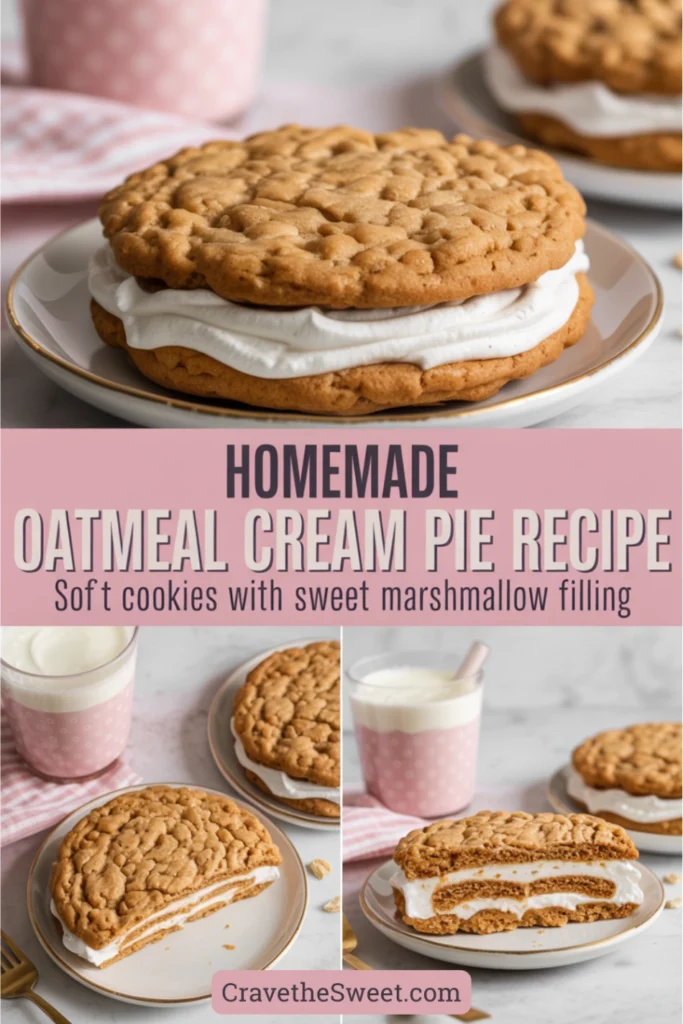
Growing up, oatmeal cream pies were my favorite lunchbox treat. I’d save them for last, carefully peeling the cookies apart to eat the cream filling first before finishing the soft oatmeal cookies. Years later, as an adult with a proper kitchen, I wondered if I could recreate that nostalgic flavor at home with better ingredients. My first attempt produced cookies that were too hard and filling that was too sweet, but I kept tweaking the recipe. Finally, I nailed it—soft, chewy oatmeal cookies sandwiched with fluffy marshmallow cream that tasted even better than the packaged version. Now this oatmeal cream pie recipe is one I make regularly, and my own kids fight over them just like I used to.
Why You’ll Love This Oatmeal Cream Pie Recipe
These homemade treats taste remarkably better than store-bought versions, with real butter, quality oats, and a marshmallow filling that’s perfectly balanced between sweet and fluffy. The cookies stay incredibly soft and chewy for days, never becoming hard or dry like many homemade cookies. The recipe makes a generous batch, perfect for school lunches, bake sales, or satisfying a crowd. You control the ingredients, avoiding preservatives and artificial flavors while creating something that tastes authentically nostalgic. The cookies are surprisingly easy to make—no chilling required, and the dough comes together quickly in one bowl. Kids love helping sandwich the cookies together, making this a fun family baking project. They’re also portable and sturdy enough for packed lunches or road trips without falling apart. The combination of molasses and brown sugar creates a deep, warming flavor that’s more sophisticated than typical packaged snacks while still delivering that comforting, familiar taste.
What Is an Oatmeal Cream Pie?
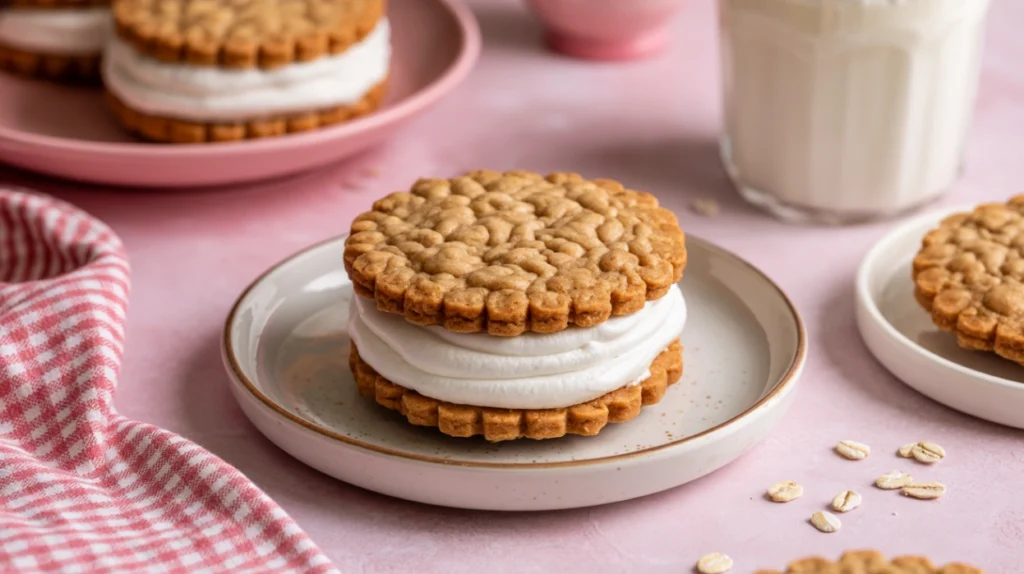
An oatmeal cream pie is a classic American snack consisting of two soft oatmeal cookies sandwiched together with a sweet cream filling. The cookies are made with oats, molasses, and warm spices like cinnamon, creating a tender texture that’s more cake-like than crispy. The traditional filling is a marshmallow-based cream that’s fluffy, sweet, and reminiscent of the filling in whoopie pies. These treats became commercially popular in the mid-twentieth century and have remained a lunchbox staple for generations. The homemade version improves on the packaged original by using real ingredients and achieving a better balance of cookie-to-filling ratio. The cookies should be soft enough to bite through easily but sturdy enough to hold the filling without breaking. Well-made oatmeal cream pies have a comforting, almost nostalgic quality that appeals to both children and adults who remember them fondly from their own childhoods.
Common Mistakes to Avoid
Several pitfalls can affect the quality of your oatmeal cream pies. The most common mistake is overbaking the cookies, which makes them hard and dry rather than soft and chewy. These cookies should look slightly underdone when you remove them from the oven—they’ll continue firming up as they cool. Using old oats that have gone stale affects both texture and flavor, so make sure your oats are fresh. Another frequent error is not letting the cookies cool completely before filling them. Warm cookies will melt the filling, creating a mess. Some people make the filling too thick or too thin—it should be fluffy and spreadable but firm enough to hold its shape between cookies. Not measuring flour correctly, particularly packing it into the measuring cup, results in dry, crumbly cookies. Always spoon flour into the cup and level it off. Making cookies that are too large or too small affects the cookie-to-filling ratio. Aim for cookies about three inches in diameter for the best balance. Finally, storing them improperly causes the cookies to either dry out or become soggy depending on the conditions.
How to Know They’re Done
Determining doneness for oatmeal cream pie cookies is crucial because they should remain soft. The cookies are done when the edges are just set and very lightly golden, while the centers still look slightly underdone and puffy. They should not brown significantly—if they’re turning dark golden or brown, they’re overbaking. When you gently press the center, it should feel soft but not wet or jiggly. The total baking time is typically ten to twelve minutes, but watch them carefully near the end. The cookies will look almost too soft when you remove them, and that’s exactly right. They’ll firm up as they cool on the baking sheet. If you wait until they look completely done in the oven, they’ll be too hard once cooled. Let them cool on the baking sheet for five minutes after removing from the oven—they’re too delicate to move immediately. After five minutes, transfer to a wire rack to cool completely. They’re ready to fill when they’re completely cool to the touch, which takes about thirty minutes.
What to Serve With Oatmeal Cream Pies
These sweet treats pair perfectly with cold milk, which is the classic combination for a reason—the milk cuts through the sweetness beautifully. Hot coffee makes them an excellent adult snack or dessert, especially in the morning with breakfast. Hot chocolate is another wonderful pairing, particularly for kids or during fall and winter months. They’re substantial enough to serve as dessert after a light meal, though they’re more commonly enjoyed as a snack. Pack them in lunchboxes alongside sandwiches, fruit, and veggies for a satisfying sweet treat. They’re perfect for after-school snacks served with apple slices or carrot sticks for balance. At parties or gatherings, arrange them on a platter with other cookies and brownies for variety. They travel well for picnics, road trips, or bake sales. Some people enjoy them slightly warmed in the microwave for about ten seconds, which softens both the cookies and filling for an extra-indulgent experience. They’re also delicious crumbled over vanilla ice cream for an oatmeal cream pie sundae.
Storage Tips
Proper storage keeps your oatmeal cream pies soft and fresh. Store them in an airtight container at room temperature for up to five days, separating layers with parchment paper to prevent sticking. The airtight seal is crucial—exposure to air will dry out the cookies quickly. If your kitchen is warm, you can refrigerate them, though this may firm up the filling slightly. Let refrigerated pies sit at room temperature for fifteen minutes before eating for best texture. These cookies freeze beautifully for up to three months. Wrap individual pies in plastic wrap, then place in a freezer bag. Thaw at room temperature for about an hour before eating, or pack frozen ones in lunchboxes—they’ll thaw by lunchtime. You can also freeze unfilled cookies and make the filling fresh when ready to assemble. The unfilled cookies freeze for up to three months wrapped well. Some people prefer to freeze the components separately, which allows more flexibility and ensures the freshest possible filling.
Estimated Nutrition Information
Per oatmeal cream pie: Approximately 280 calories, 11g fat, 42g carbohydrates, 26g sugar, 3g protein. These are treats meant for occasional enjoyment rather than everyday consumption.
Recipe Overview
Prep Time: 25 minutes
Cook Time: 12 minutes per batch
Cooling/Assembly Time: 45 minutes
Total Time: 1 hour 30 minutes
Difficulty: Easy
Yield: Makes about 12 cream pies (24 cookies)
Ingredients
For the cookies:
- 1 cup unsalted butter, softened
- 3/4 cup brown sugar, packed
- 1/2 cup granulated sugar
- 2 large eggs
- 1 tablespoon molasses
- 1 teaspoon vanilla extract
- 1 1/2 cups all-purpose flour
- 1 teaspoon baking soda
- 1 teaspoon ground cinnamon
- 1/2 teaspoon salt
- 3 cups old-fashioned oats
For the filling:
- 3/4 cup unsalted butter, softened
- 2 1/2 cups powdered sugar
- 1 jar (7 ounces) marshmallow cream
- 1 teaspoon vanilla extract
Step-by-step Instructions
Preheat your oven to 350°F and line two baking sheets with parchment paper. This prevents sticking and makes cleanup easier for your oatmeal cream pie recipe.
In a large mixing bowl, cream together the softened butter, brown sugar, and granulated sugar with an electric mixer on medium speed until light and fluffy, about three minutes. This creaming process incorporates air and creates a tender texture.
Add the eggs one at a time, beating well after each addition. Mix in the molasses and vanilla extract until fully incorporated. The mixture should be smooth and well-combined.
In a separate bowl, whisk together the flour, baking soda, cinnamon, and salt. Add the dry ingredients to the butter mixture and mix on low speed just until combined. Don’t overmix, which can make the cookies tough.
Stir in the oats with a wooden spoon or spatula until evenly distributed throughout the dough. The dough will be thick and slightly sticky.
Using a cookie scoop or spoon, drop rounded tablespoons of dough onto the prepared baking sheets, spacing them about two inches apart. They’ll spread slightly during baking. Gently flatten each mound slightly with your fingers or the bottom of a glass.
Bake for ten to twelve minutes until the edges are just set and lightly golden but the centers still look slightly underdone. Don’t overbake—they should not be brown. Let the cookies cool on the baking sheet for five minutes, then transfer to a wire rack to cool completely. Repeat with remaining dough.
While the cookies cool, make the filling. In a medium bowl, beat the softened butter with an electric mixer until creamy. Gradually add the powdered sugar, beating until light and fluffy.
Add the marshmallow cream and vanilla extract. Beat on medium-high speed for two to three minutes until the filling is light, fluffy, and well-combined. It should be thick but spreadable.
Once the cookies are completely cool, flip half of them bottom-side up. Spread about two tablespoons of filling on each upturned cookie, creating an even layer that reaches almost to the edges.
Top with another cookie, bottom-side down, pressing gently to spread the filling to the edges. Don’t press too hard or the filling will squeeze out.
Let the assembled oatmeal cream pies sit for about fifteen minutes to allow the filling to set slightly before serving or storing.
Your homemade oatmeal cream pies are ready to enjoy! These soft, chewy cookies with fluffy marshmallow filling deliver all the nostalgic comfort of the packaged version but with better flavor and fresher ingredients. They’re perfect for lunchboxes, snacks, or anytime you need a sweet treat that tastes like childhood!