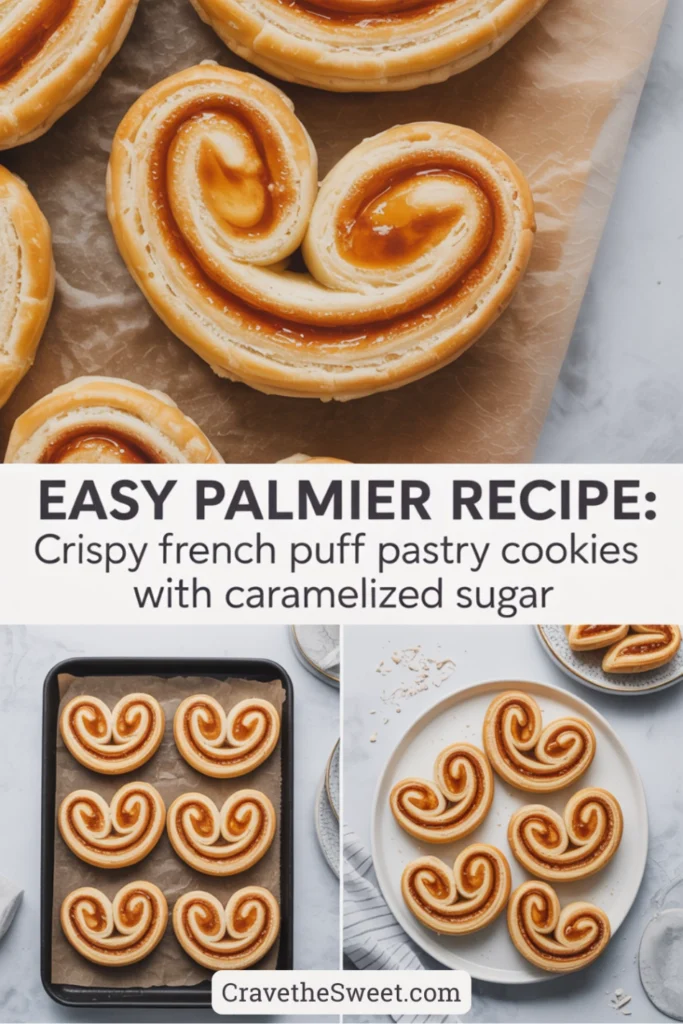
I discovered palmiers at a French bakery during a weekend trip to the city, and I was instantly smitten with their crispy, caramelized layers and elegant palm leaf shape. The baker called them “elephant ears” and explained they were actually quite simple—just puff pastry and sugar. When I got home, I decided to try making them myself, convinced there had to be more to it. To my amazement, these impressive-looking cookies really did require only two ingredients and a few simple folds. That first batch disappeared in minutes, and now this palmier recipe is my favorite last-minute entertaining trick that makes me look like a far better baker than I actually am.
Why You’ll Love This Palmier Recipe
These elegant French cookies require just two ingredients—puff pastry and sugar—making them incredibly simple and affordable to make. Despite their fancy appearance and gourmet taste, they’re surprisingly beginner-friendly with no special skills or equipment needed. The combination of buttery, flaky pastry and caramelized sugar creates an addictively crispy texture with deep caramel flavor. They bake in about fifteen minutes, making them perfect for unexpected guests or last-minute party needs. Palmiers look impressively sophisticated, yet most people have no idea how easy they are to make. They’re endlessly customizable with additions like cinnamon, vanilla, or savory variations with cheese and herbs. The recipe makes about twenty-four cookies, plenty for sharing at gatherings or gifting in decorative bags. They also store well, maintaining their crispness for several days when properly kept. The caramelization creates those gorgeous golden-brown spots that make them irresistible to both eyes and taste buds.
What Are Palmiers?
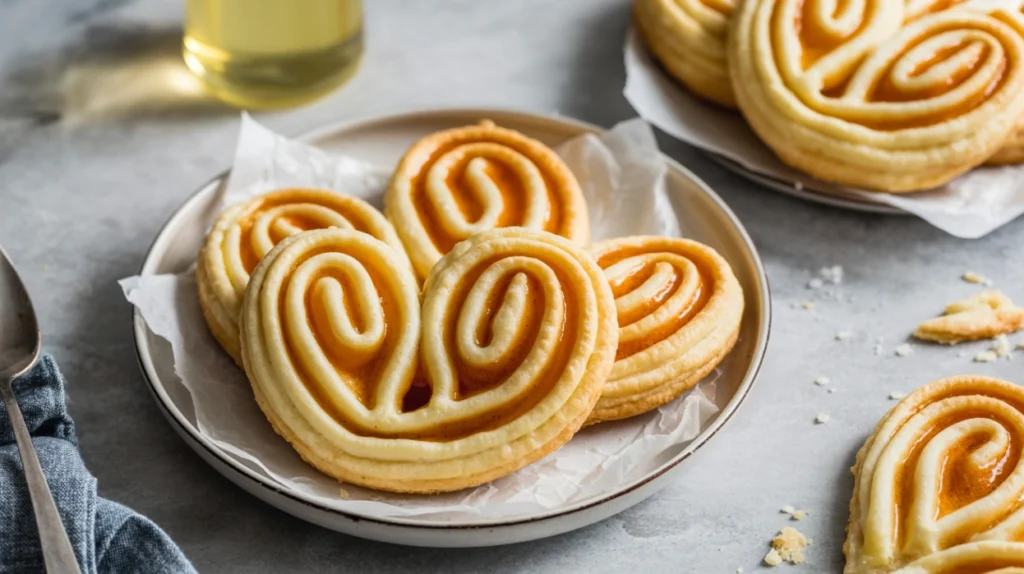
Palmiers are classic French pastry cookies made by folding puff pastry with sugar, then slicing and baking until crispy and caramelized. The name “palmier” is French for “palm tree,” referring to their distinctive palm leaf or heart shape created by the folding technique. They’re also known by various other names including “elephant ears,” “pig’s ears,” “palm leaves,” or “shoe soles” depending on the region. The beauty of palmiers lies in their simplicity—the laminated layers of puff pastry combined with sugar create incredible texture and flavor through caramelization during baking. Traditional palmiers are simply pastry and sugar, though modern variations include cinnamon, chocolate, nuts, or savory ingredients. They’re typically served with coffee or tea as an afternoon treat or dessert, though they work equally well at breakfast or brunch. The crackling, crispy texture distinguishes them from softer pastries, making them uniquely satisfying. Well-made palmiers should shatter delicately when you bite into them, releasing buttery, caramelized flavor.
Common Mistakes to Avoid
Several common errors can affect the quality of your palmiers. The most frequent mistake is not using enough sugar, which results in pale, under-caramelized cookies instead of golden, crispy ones. Be generous with the sugar—it creates the signature caramelization and crispness. Another issue is rolling the puff pastry too thin, which makes fragile palmiers that break easily. Aim for about one-eighth inch thickness. Some people roll the pastry logs too loosely, causing them to unravel during baking. Each fold should be snug and tight. Not chilling the rolled log before slicing is another problem—cold pastry slices much more cleanly and maintains better shape during baking. Using a dull knife to slice creates squashed, misshapen cookies rather than clean spirals. Always use a very sharp knife and wipe it clean between cuts. Baking at too low a temperature prevents proper caramelization, while too high a temperature burns the sugar before the pastry cooks through. The sweet spot is typically 400°F. Finally, leaving them on the baking sheet too long after removing from the oven can cause them to stick as the caramelized sugar hardens.
How to Know They’re Done
Perfectly baked palmiers have distinct visual characteristics. They should be deeply golden brown with darker caramelized spots where the sugar has concentrated, particularly on the outer curves of the spirals. Both the top and bottom should be well-browned—if the bottoms are pale, they need more time. The edges should look crispy and slightly curled. The pastry layers should be visibly separated and flaky when you look at the cut edges. If you gently lift one, it should feel light and crispy, not heavy or soft. The total baking time typically ranges from twelve to fifteen minutes, though always rely on appearance rather than time since ovens vary. The palmiers will puff up during baking, then flatten slightly as they cool. They should sound crisp when tapped and feel completely firm to the touch. Any soft spots indicate underbaking. They’ll continue to crisp up slightly as they cool, so they can come out when they’re deeply golden but before they’re rock-hard.
What to Serve With Palmiers
These versatile cookies pair beautifully with many beverages and fit various occasions. Hot coffee is classic, with the slight bitterness balancing the sweet caramelization perfectly. Espresso or cappuccino creates an elegant café experience. Hot tea, particularly Earl Grey or English Breakfast, offers a lighter pairing that doesn’t overwhelm the buttery pastry flavor. For a continental breakfast spread, serve palmiers alongside croissants, fruit, and yogurt. They’re perfect for afternoon tea service with cucumber sandwiches and scones. At brunch, arrange them on a platter with other pastries and fresh fruit. They make excellent accompaniments to ice cream or sorbet as a light dessert. Serve them with champagne or prosecco at celebrations for an elegant touch. Some people enjoy dipping them in hot chocolate for an indulgent treat. They’re also delicious alongside fresh berries and whipped cream. For cheese plates, try savory palmier variations with herbs and parmesan as sophisticated appetizers.
Storage Tips
Proper storage maintains the signature crispness of palmiers. Once completely cool, store them in an airtight container at room temperature for up to five days. Don’t store them while even slightly warm, as trapped steam will make them soggy. Layer them with parchment paper to prevent sticking from any residual sticky caramelized sugar. If they lose their crispness after a day or two, you can refresh them by heating in a 350°F oven for about five minutes until they crisp up again. Never refrigerate palmiers as moisture in the refrigerator will make them soft and chewy rather than crisp. For longer storage, freeze unbaked palmier logs wrapped tightly in plastic wrap and aluminum foil for up to three months. Slice and bake directly from frozen, adding just a minute or two to the baking time. You can also freeze baked palmiers in airtight containers for up to one month. Thaw at room temperature, then refresh in a warm oven for a few minutes before serving to restore crispness.
Estimated Nutrition Information
Per palmier: Approximately 90 calories, 5g fat, 11g carbohydrates, 6g sugar, 1g protein. These are sweet treats meant for occasional enjoyment in moderation.
Recipe Overview
Prep Time: 15 minutes
Chill Time: 30 minutes
Cook Time: 15 minutes
Total Time: 1 hour
Difficulty: Easy
Yield: Makes about 24 palmiers
Ingredients
- 1 sheet frozen puff pastry (about 8-9 ounces), thawed according to package directions
- 1/2 cup granulated sugar, plus extra for rolling
- Optional: 1 teaspoon ground cinnamon or vanilla extract
Step-by-Step Instructions
Start this palmier recipe by preparing your work surface. Sprinkle a clean counter or large cutting board generously with sugar—use about two tablespoons to create a light coating. This sugar will incorporate into the pastry as you roll it.
Place the thawed puff pastry sheet on the sugared surface. Sprinkle the top of the pastry with about two more tablespoons of sugar. If using cinnamon, mix it with the sugar before sprinkling.
Using a rolling pin, gently roll the pastry into a rectangle about twelve inches by ten inches, pressing the sugar into both sides as you roll. The pastry should be about one-eighth inch thick. Add more sugar underneath and on top as you roll to ensure even coating.
Position the pastry so one long side faces you. Imagine a center line running vertically down the middle of the rectangle. You’ll be folding both long sides toward this imaginary center line.
Starting with the long side closest to you, tightly roll the pastry toward the center, creating a tight spiral log. Stop exactly at the imaginary center line. Repeat with the opposite long side, rolling it toward the center until both rolled edges meet in the middle. You should now have two spiral logs lying side by side, meeting at the center.
Gently press the two spirals together where they meet. The shape should resemble a heart or butterfly when viewed from the end. Press firmly so they stick together.
Wrap the entire double log tightly in plastic wrap and refrigerate for at least thirty minutes or up to overnight. This chilling step is crucial—it makes slicing much easier and helps the palmiers hold their shape during baking.
When ready to bake, preheat your oven to 400°F and line two baking sheets with parchment paper. The parchment is important because the caramelized sugar can stick.
Remove the chilled log from the refrigerator. Using a very sharp knife, slice the log into pieces about one-quarter to three-eighths inch thick. Wipe the knife clean between cuts for the neatest slices. You should get about twenty-four palmiers.
Arrange the sliced palmiers on the prepared baking sheets, spacing them about two inches apart. They’ll expand during baking, so don’t crowd them. Place them cut-side up so the spiral pattern is visible.
Sprinkle the top of each palmier with a light dusting of additional sugar. This creates extra caramelization and sparkle.
Bake for twelve to fifteen minutes, checking frequently near the end. The palmiers should be deeply golden brown with darker caramelized spots. If one sheet is browning faster than the other, rotate them halfway through baking.
When they’re beautifully golden and caramelized, remove from the oven. Let them cool on the baking sheet for about two minutes—just until the caramelized sugar sets enough that they can be moved without falling apart.
Transfer the palmiers to a wire rack to cool completely. They’ll continue to crisp up as they cool. The caramelized sugar will harden, creating that signature crackling texture.
Your gorgeous palmiers are now ready to serve! These elegant French cookies prove that the most impressive treats are often the simplest to make. Enjoy them with coffee, share them with friends, or package them in pretty bags as thoughtful homemade gifts!