
I’ll never forget the first time I attempted sugar cookies from scratch. I was eight years old, standing on a wobbly kitchen stool beside my grandmother, watching her cream butter and sugar with the ease of someone who’d done it a thousand times. The kitchen smelled like vanilla and possibility. She let me cut out shapes—lopsided stars and wonky hearts—and somehow, they all tasted perfect. That memory sparked my lifelong love affair with baking, and now I’m sharing the sugar cookie recipe that brings me right back to that warm kitchen every single time.
Why You’ll Love This Sugar Cookie Recipe
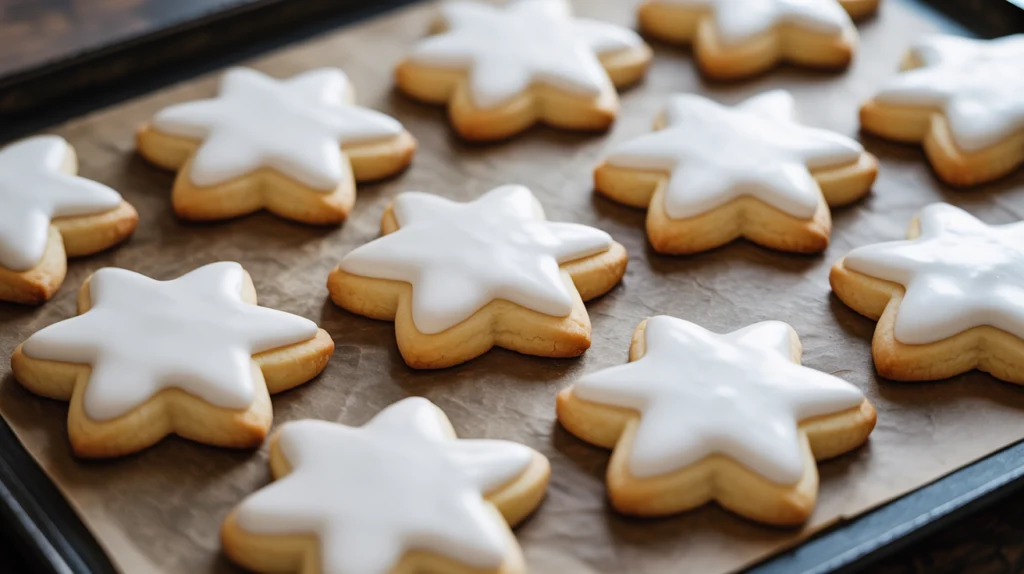
This sugar cookie recipe is everything you want in a classic cookie and more. First, it’s incredibly versatile. Whether you’re decorating for holidays, making treats for a bake sale, or just satisfying a sweet craving, these cookies deliver. The texture is spot-on—slightly crisp on the edges with a tender, buttery center that melts in your mouth. Unlike some recipes that spread too thin or puff up like cake, these maintain their shape beautifully, making them ideal for cookie cutters.
What really sets this sugar cookie recipe apart is its simplicity. You don’t need fancy ingredients or professional equipment. Just basic pantry staples and a mixing bowl. The dough comes together quickly, and the flavor is pure, sweet perfection without being overwhelming. Plus, these cookies stay fresh for days, which means you can bake ahead for parties or gift-giving. They’re also freezer-friendly, so you can always have cookie dough ready when the mood strikes.
What Is a Sugar Cookie?
A sugar cookie is a simple, sweet baked treat made primarily from butter, sugar, flour, and eggs. Unlike chocolate chip cookies or oatmeal cookies that rely on mix-ins for flavor, sugar cookies celebrate the pure taste of butter and vanilla. Their neutral flavor profile makes them the perfect canvas for frosting, sprinkles, or colored sugar.
The beauty of a good sugar cookie recipe lies in its straightforward nature. These aren’t fussy cookies that require precise temperatures or complicated techniques. They’re the kind of treat that grandmothers have been making for generations, passing down recipes on flour-dusted index cards. Sugar cookies can be rolled and cut into shapes, dropped by spoonfuls, or sliced from refrigerated logs. They’re beloved for their versatility and that unmistakable buttery sweetness that needs no embellishment—though decorating them is half the fun.
Common Mistakes to Avoid
Even with a foolproof sugar cookie recipe, there are pitfalls that can trip up bakers. The most common mistake is adding too much flour. When you scoop flour directly from the bag with your measuring cup, you can pack in up to 25% more than the recipe intends. This leads to dry, crumbly cookies that lack that signature tenderness. Always fluff your flour with a spoon, then gently spoon it into your measuring cup and level it off.
Another frequent error is skipping the chilling step. I know it’s tempting to roll out the dough immediately, but warm dough spreads excessively in the oven, resulting in thin, misshapen cookies. Chilling firms up the butter, helping cookies maintain their shape and develop better texture. Additionally, many bakers overmix the dough once the flour is added. This develops too much gluten, creating tough cookies instead of tender ones. Mix just until the flour disappears, then stop.
Finally, overbaking is the kiss of death for sugar cookies. They should look barely done when you pull them from the oven—still pale with just the slightest golden color on the edges. They’ll continue cooking on the hot baking sheet, and pulling them too early ensures that perfect soft center.
How to Know Your Sugar Cookies Are Done
Timing is everything with this sugar cookie recipe. Your cookies are ready when the edges are just beginning to turn a very light golden color—we’re talking the palest hint of tan, not brown. The centers should still look slightly underdone and matte rather than shiny. This usually happens around 8-10 minutes for average-sized cookies, but ovens vary, so watch carefully, especially the first batch.
Here’s a pro tip: gently press the edge of a cookie with your finger. If it feels set and springs back slightly, it’s done. The center might still look soft, but that’s exactly what you want. As the cookies cool on the baking sheet for a few minutes, they’ll firm up beautifully. If you wait until the entire cookie looks golden brown, you’ve gone too far, and you’ll end up with crunchy cookies instead of those tender beauties you’re after.
What to Serve With Sugar Cookies
Sugar cookies are delightful on their own, but pairing them with the right accompaniments elevates the experience. A glass of cold milk is the classic choice for good reason—the creamy richness balances the sweetness perfectly. For adults, coffee or tea makes an excellent companion. A strong espresso cuts through the buttery richness, while chamomile or Earl Grey tea offers a more delicate pairing.
If you’re serving these for a special occasion, consider creating a cookie decorating station with various colored frostings, sprinkles, and edible glitter. Hot chocolate makes a wonderful beverage pairing during winter months, especially when topped with whipped cream. For a more sophisticated dessert spread, serve sugar cookies alongside fresh berries and vanilla ice cream. The cookies can be crumbled over the ice cream for a simple yet impressive parfait. During summer, lemonade or iced tea provides a refreshing contrast to the sweet cookies.
How to Store Your Sugar Cookies
Proper storage keeps your sugar cookie recipe results fresh and delicious for days. Once completely cooled, store unfrosted cookies in an airtight container at room temperature. Layer them with parchment paper to prevent sticking, and they’ll stay fresh for up to one week. If you’ve frosted or decorated your cookies, wait until the icing is completely dry before stacking them, or store them in a single layer.
For longer storage, sugar cookies freeze beautifully. Place unfrosted cookies in freezer-safe containers or bags, separating layers with parchment paper. They’ll keep for up to three months. When you’re ready to enjoy them, thaw at room temperature for about 30 minutes—they’ll taste freshly baked. You can also freeze the cookie dough for up to two months. Wrap it tightly in plastic wrap, then place in a freezer bag. Thaw in the refrigerator overnight before rolling and cutting.
If your cookies lose their crispness, don’t worry. Place them in a 300°F oven for 3-5 minutes to restore their texture. Just be sure to watch them carefully so they don’t overbake.
Estimated Nutrition Information
Per cookie (based on 24 cookies): Approximately 140 calories, 7g fat, 18g carbohydrates, 2g protein, 35mg cholesterol, 85mg sodium. These values are estimates and will vary based on specific ingredients used and cookie size. Decorated cookies with frosting will have additional calories and sugar.
Recipe Overview
Prep Time: 15 minutes
Chill Time: 1 hour
Cook Time: 10 minutes
Total Time: 1 hour 25 minutes
Difficulty: Easy
Servings: 24 cookies
Ingredients
- 3 cups all-purpose flour
- 1½ teaspoons baking powder
- ½ teaspoon salt
- 1 cup unsalted butter, softened
- 1½ cups granulated sugar
- 2 large eggs
- 2 teaspoons vanilla extract
- ½ teaspoon almond extract (optional)
Step-by-Step Instructions
Step 1: Prepare Your Dry Ingredients
In a medium bowl, whisk together the flour, baking powder, and salt. Set this mixture aside. This step ensures your leavening agent is evenly distributed throughout the flour, which helps your cookies rise uniformly. Don’t skip the whisking—it makes a difference in the final texture.
Step 2: Cream the Butter and Sugar
In a large mixing bowl, beat the softened butter and sugar together using an electric mixer on medium speed. Continue beating for 3-4 minutes until the mixture is light, fluffy, and pale in color. This process incorporates air into the dough, creating a lighter texture in your finished cookies. The mixture should look almost like frosting when it’s ready.
Step 3: Add Eggs and Extracts
Add the eggs one at a time, beating well after each addition. Then mix in the vanilla extract and almond extract if using. The almond extract adds a subtle depth of flavor that complements the vanilla beautifully, but the cookies are delicious without it too. Beat until everything is fully combined and smooth.
Step 4: Incorporate the Flour Mixture
With your mixer on low speed, gradually add the flour mixture to the wet ingredients. Mix just until the flour is incorporated and no white streaks remain. The dough will be soft and slightly sticky. Remember, overmixing at this stage creates tough cookies, so stop as soon as everything comes together.
Step 5: Chill the Dough
Divide the dough in half and shape each portion into a flat disc. Wrap each disc tightly in plastic wrap and refrigerate for at least one hour, or up to three days. This chilling time is crucial for preventing spread and developing flavor. If you’re in a hurry, you can chill for 30 minutes in the freezer, but longer is better.
Step 6: Preheat and Prepare
When you’re ready to bake, preheat your oven to 350°F. Line baking sheets with parchment paper or silicone baking mats. This prevents sticking and ensures even browning. Having everything ready before you roll out the dough keeps the process moving smoothly.
Step 7: Roll and Cut
Remove one disc of dough from the refrigerator. On a lightly floured surface, roll the dough to about ¼-inch thickness. Use cookie cutters to cut out shapes, dipping the cutters in flour between cuts to prevent sticking. Place cookies on prepared baking sheets, spacing them about 2 inches apart.
Step 8: Bake to Perfection
Bake for 8-10 minutes, until the edges are just barely beginning to turn golden. The centers will still look slightly underdone—this is perfect. Remove from the oven and let cookies cool on the baking sheet for 5 minutes before transferring to a wire rack to cool completely.
Step 9: Decorate (Optional)
Once cookies are completely cool, decorate as desired with royal icing, buttercream frosting, or simply dust with powdered sugar. Get creative with colored sugars, sprinkles, or edible markers.
This sugar cookie recipe has stood the test of time in my kitchen, and I hope it becomes a staple in yours too. Whether you’re baking with your own grandchildren someday or just treating yourself to something sweet, these cookies deliver that perfect combination of simplicity and satisfaction that makes baking so rewarding.