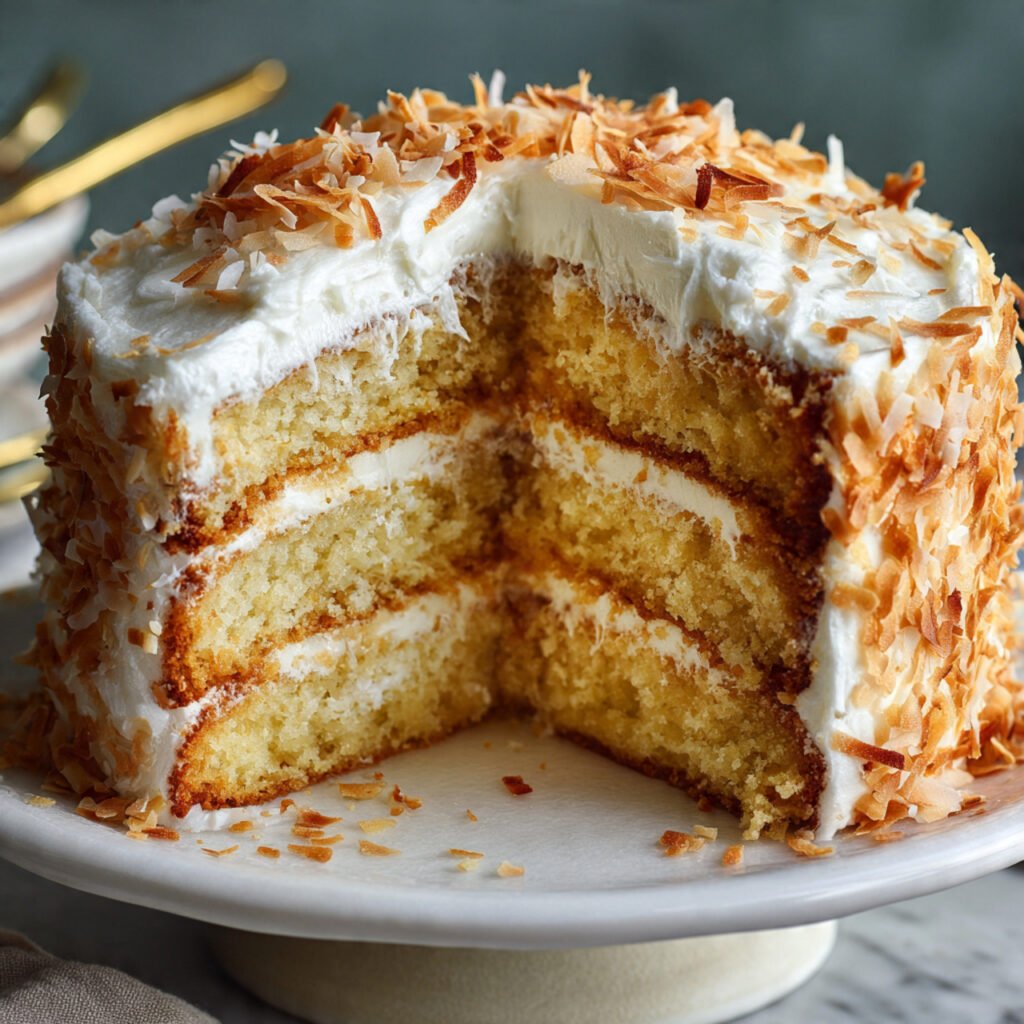
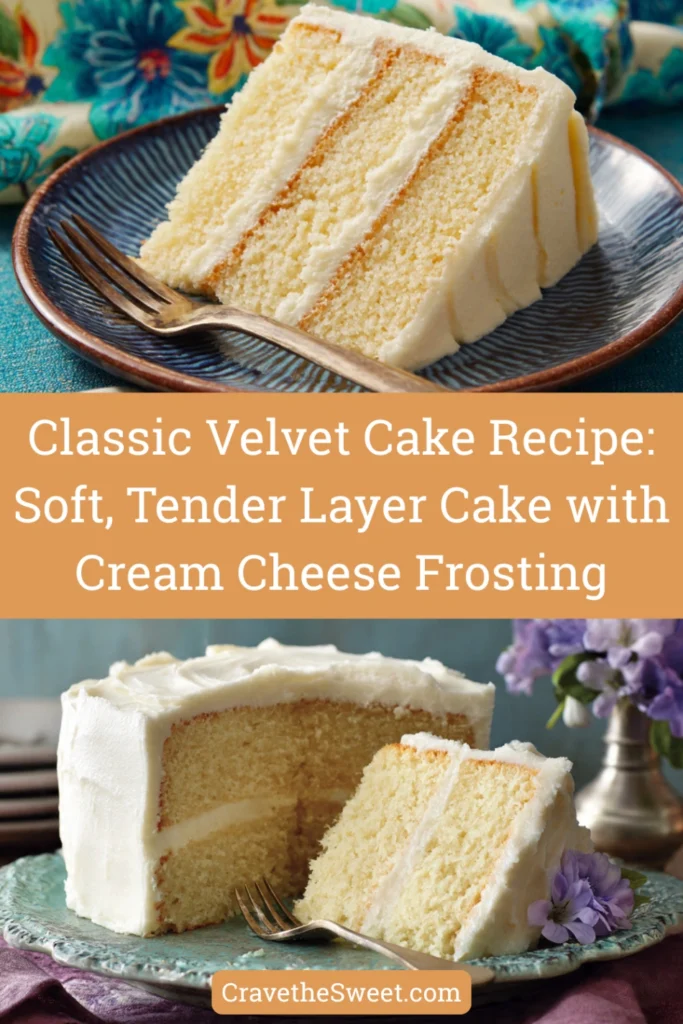
The first time I made a velvet cake without any food coloring, my family was surprised by how incredibly soft and delicious it was. This velvet cake recipe focuses on what really matters—that impossibly tender, melt-in-your-mouth texture that gives velvet cake its name. The subtle flavors and perfect crumb make this cake special without relying on dramatic colors.
Why You’ll Love This Velvet Cake Recipe
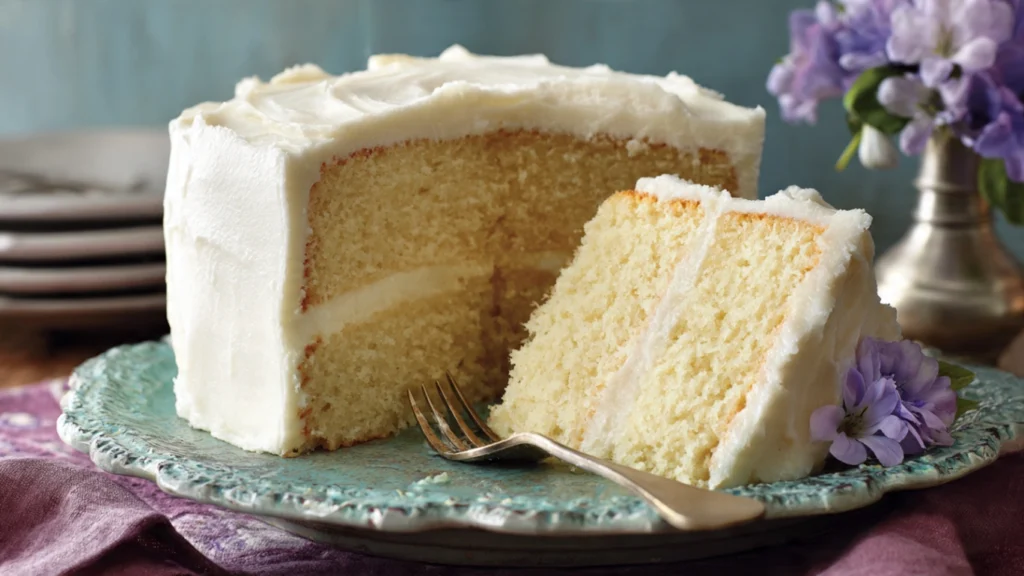
This cake has an extraordinarily soft, fine-textured crumb that truly lives up to the “velvet” description. The tender texture comes from a careful balance of ingredients and mixing techniques rather than gimmicks. This velvet cake recipe delivers delicate vanilla flavor with subtle chocolate undertones and a pleasant tang from buttermilk. The cream cheese frosting provides the perfect sweet-tangy complement to the tender cake layers. The straightforward techniques make this achievable for bakers of all skill levels. The cake stays incredibly moist for days, and the flavor actually deepens and improves as it sits.
What Is Velvet Cake?
Velvet cake is a tender layer cake known for its exceptionally soft, fine-textured crumb that feels almost silky on your tongue. This velvet cake recipe creates that characteristic velvety texture through the chemical reaction between buttermilk, vinegar, and baking soda, which tenderizes the gluten in the flour. The cake includes a small amount of cocoa powder for depth of flavor without being distinctly chocolate. Traditional velvet cakes became popular in the early 1900s for their luxurious texture, which was achieved through careful ingredient selection and mixing methods. The cake is traditionally paired with cream cheese frosting or classic ermine frosting, both of which complement the tender crumb beautifully.
Common Mistakes to Avoid
The biggest mistake with this velvet cake recipe is overmixing the batter after adding the dry ingredients. This develops too much gluten and creates a tough, dense cake instead of the tender velvet texture you want. Mix just until the flour disappears.
Another common error is using cold ingredients. Room temperature eggs, buttermilk, and butter blend together more smoothly and create a better texture. Take ingredients out of the refrigerator thirty minutes before baking.
Don’t skip the buttermilk or try to substitute regular milk with vinegar added. Real buttermilk provides authentic tang and reacts differently with the leavening agents, creating the proper texture.
Many people overbake velvet cake because they wait for a completely clean toothpick. A few moist crumbs are perfect—the cake continues cooking from residual heat after you remove it from the oven.
Finally, avoid frosting a warm cake. The layers must cool completely, or the cream cheese frosting will melt and slide right off, creating a mess instead of a beautiful layered cake.
How to Know Your Velvet Cake Is Done
Your velvet cake recipe is complete when a toothpick inserted into the center of each layer comes out with just a few moist crumbs attached. There should be no wet batter, but some crumbs indicate perfect moisture.
The tops should spring back when you gently press them with your finger. If they leave a deep indentation, the cakes need more time in the oven.
The edges should be pulling away slightly from the sides of the pans, creating a small gap all around. This indicates the cake has set properly.
The tops should look set and matte rather than shiny or wet. The cakes will have risen evenly without excessive doming in the center.
After cooling completely and frosting, the finished cake should slice cleanly, revealing tender, even-crumbed layers that look moist but not gummy.
What to Serve With Velvet Cake
This elegant cake is rich enough to stand alone as dessert. A simple glass of cold milk provides the perfect accompaniment to cut through the sweetness of the frosting.
Hot coffee or tea pairs beautifully with velvet cake for an afternoon treat or after-dinner dessert. The slight bitterness of coffee balances the sweet, tangy frosting perfectly.
For special occasions, serve small slices with champagne or sparkling wine. The bubbles and acidity complement the cake’s richness wonderfully without overwhelming the delicate flavors.
Fresh berries on the side add a pop of color and a tart element that balances the sweet cake. Strawberries, raspberries, or blueberries all work beautifully.
A dollop of lightly sweetened whipped cream alongside adds an extra layer of richness for special celebrations.
Storage Tips for Velvet Cake
Store your velvet cake covered in the refrigerator for up to five days. The cream cheese frosting requires refrigeration, so this cake can’t be left at room temperature for extended periods. Use a cake dome or cover it loosely with plastic wrap.
Let refrigerated cake sit at room temperature for thirty minutes before serving. This takes the chill off and allows the full flavor and texture to shine through. Cold cake tastes muted and can seem dry even when perfectly moist.
You can freeze unfrosted cake layers wrapped tightly in plastic wrap for up to three months. Thaw them overnight in the refrigerator before assembling and frosting for best results.
Make the cream cheese frosting up to three days ahead and store it refrigerated in an airtight container. Bring it to room temperature and rewhip it briefly before using to restore the fluffy, spreadable texture.
Don’t freeze the assembled, frosted cake. The cream cheese frosting doesn’t freeze and thaw well, often becoming watery and separating from the cake layers.
Estimated Nutrition Information
Per slice (based on 12 servings): Approximately 560 calories, 28g fat, 72g carbohydrates, 6g protein, 1g fiber. This is a celebration cake for special occasions.
Recipe Overview
Prep Time: 25 minutes
Cook Time: 28 minutes
Cooling Time: 1 hour
Total Time: 1 hour 53 minutes
Difficulty: Easy
Servings: 12 slices
Ingredients
For the cake:
- 2 and 1/2 cups all-purpose flour
- 1 and 1/2 cups granulated sugar
- 1 teaspoon baking soda
- 1 teaspoon salt
- 2 tablespoons cocoa powder
- 1 and 1/2 cups vegetable oil
- 1 cup buttermilk, room temperature
- 2 large eggs, room temperature
- 1 teaspoon white vinegar
- 2 teaspoons vanilla extract
For the cream cheese frosting:
- 16 ounces cream cheese, softened
- 1 cup unsalted butter, softened
- 4 cups powdered sugar
- 2 teaspoons vanilla extract
Step-by-Step Instructions
Step 1: Prepare pans
Preheat oven to 350°F. Grease and flour two 9-inch round cake pans thoroughly. Line bottoms with parchment paper circles for easy release.
Step 2: Mix dry ingredients
In a medium bowl, whisk together flour, sugar, baking soda, salt, and cocoa powder until well combined and no lumps remain. Set aside.
Step 3: Combine wet ingredients
In a large bowl, whisk together oil, buttermilk, eggs, vinegar, and vanilla extract until smooth and fully combined.
Step 4: Combine wet and dry
Add the dry ingredients to the wet ingredients. Stir gently with a wooden spoon or spatula just until the flour disappears and the batter is smooth. Don’t overmix—stop as soon as you no longer see dry flour.
Step 5: Divide and bake
Divide batter evenly between the prepared pans. Tap pans gently on the counter several times to release any air bubbles. Bake for twenty-six to thirty minutes, until a toothpick comes out with moist crumbs.
Step 6: Cool completely
Let cakes cool in pans for ten minutes, then carefully turn out onto wire racks. Peel off parchment paper and let cool completely, at least one hour, before frosting.
Step 7: Make frosting
Beat cream cheese and butter together with an electric mixer until smooth and creamy, about three minutes. Gradually add powdered sugar, one cup at a time, beating well after each addition. Mix in vanilla extract and beat until light and fluffy.
Step 8: Level layers
If the cake tops are domed, use a long serrated knife to carefully level them, creating flat surfaces for even stacking.
Step 9: Assemble cake
Place one cake layer on a serving plate or cake stand. Spread about one cup of frosting evenly over the top. Place the second layer on top, bottom side up for a completely flat surface.
Step 10: Frost and serve
Apply a thin crumb coat of frosting over the entire cake to seal in crumbs. Refrigerate for fifteen minutes. Apply the remaining frosting in a smooth, even layer over the top and sides. Decorate simply or leave with classic swirls.
This velvet cake recipe creates an elegant dessert that showcases what really matters—incredible texture and balanced flavor. The tender, moist layers paired with tangy cream cheese frosting make this a timeless classic for any celebration!