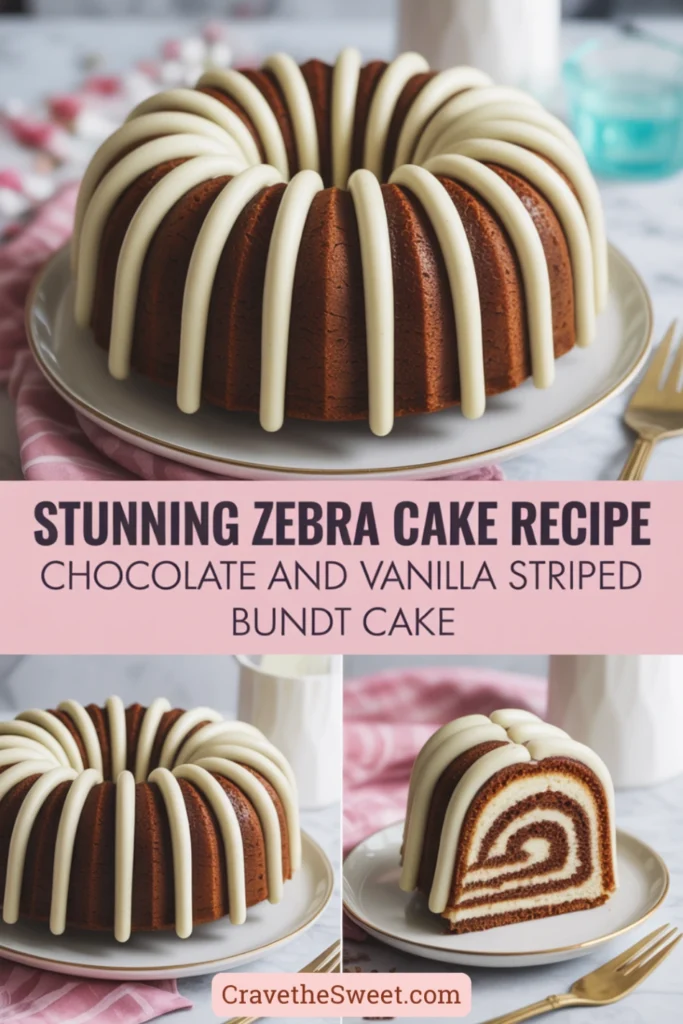
I first saw a zebra cake at my neighbor’s birthday party, and I was mesmerized by the dramatic black and white stripes radiating from the center when she sliced it. Everyone gasped at how beautiful it looked—like a work of art. When she told me it was actually quite simple to make, just alternating spoonfuls of vanilla and chocolate batter, I didn’t believe her. The pattern seemed too perfect to be accidental. But she was right. The next weekend, I tried making my own zebra cake, and watching those stripes form as I poured the batter was pure magic. Now this zebra cake recipe is my go-to showstopper dessert that never fails to impress.
Why You’ll Love This Zebra Cake Recipe
This visually stunning cake looks incredibly complex and professional, yet it requires no special skills or techniques beyond spooning batter into a pan. The dramatic striped pattern forms naturally as you alternate vanilla and chocolate batters, creating a gorgeous design with minimal effort. You only need to make one basic batter, then divide and flavor it—no complicated recipes to juggle. The cake itself is moist, tender, and perfectly balanced between vanilla and chocolate flavors, satisfying everyone’s preferences in one dessert. It’s a true crowd-pleaser that generates excitement when you slice it and reveal those stripes. Kids especially love the zebra pattern, making it perfect for birthday parties or special occasions. The bundt shape makes it elegant enough for adult gatherings too. Despite its impressive appearance, it uses simple pantry ingredients with no exotic additions required. The cake stays moist for several days, actually improving as the flavors meld, making it ideal for advance preparation.
What Is a Zebra Cake?
A zebra cake is a visually striking bundt cake featuring alternating stripes of vanilla and chocolate that radiate from the center in a pattern resembling zebra stripes. The effect is created by a simple but clever technique: spooning small amounts of vanilla and chocolate batters alternately into the center of a bundt pan. As each spoonful spreads outward, it pushes the previous layers to the sides, naturally creating concentric circles that appear as stripes when the cake is sliced. The cake originated in Eastern Europe and has become popular worldwide due to its dramatic presentation and straightforward preparation method. Unlike marbled cakes where batters are swirled together, zebra cakes maintain distinct separation between the chocolate and vanilla layers. The result is a geometric, almost hypnotic pattern that makes every slice look like a piece of edible art. The flavor is classic and approachable—nothing too exotic or polarizing—making it suitable for mixed audiences and various occasions.
Common Mistakes to Avoid
Several pitfalls can affect the success of your zebra cake recipe. The most common mistake is using batter that’s too thick, which prevents proper spreading and disrupts the stripe pattern. The consistency should be similar to thick pancake batter—pourable but not runny. Another frequent error is pouring the batter from too high, which breaks the pattern of previous layers rather than gently spreading over them. Always spoon the batter directly into the center from just an inch or two above. Some people use unequal amounts of chocolate and vanilla batter, resulting in uneven stripes or one flavor dominating. Divide the base batter as evenly as possible. Not greasing the bundt pan thoroughly is another issue—zebra cakes can be tricky to unmold due to the pattern, so grease every ridge and crevice carefully. Using too much cocoa powder in the chocolate portion can make that batter thicker than the vanilla, affecting how it spreads. Some bakers also make the mistake of trying to swirl or marble the batters, which destroys the zebra effect. Finally, cutting into the cake while it’s still warm causes it to fall apart rather than revealing clean stripes.
How to Know It’s Done
A properly baked zebra cake has several clear indicators of doneness. The top should be set and no longer jiggly when you gently shake the pan. The cake will have pulled away slightly from the sides of the bundt pan. A toothpick or cake tester inserted into the thickest part should come out clean or with just a few moist crumbs—never wet batter. The surface should feel springy when lightly pressed, bouncing back rather than leaving an indentation. The cake should smell wonderfully aromatic, with both vanilla and chocolate notes evident. Total baking time typically ranges from forty-five to fifty-five minutes at 350°F, but always rely on these visual and tactile cues rather than time alone since oven temperatures vary. The cake will continue cooking slightly from residual heat after removal, so don’t overbake. It’s better to check a few minutes early than to end up with a dry cake. Once baked, let it cool in the pan for exactly fifteen minutes—not longer or shorter—before inverting onto a wire rack.
What to Serve With Zebra Cake
This beautiful cake is impressive enough to serve plain, letting the dramatic stripes be the star. However, certain accompaniments enhance the presentation and flavor. A simple dusting of powdered sugar over the cooled cake adds elegance and a touch of sweetness. Chocolate ganache drizzled over the top creates a decadent finish, though it partially covers the zebra pattern. Whipped cream on the side provides a light, airy contrast to the dense cake. Fresh berries, particularly strawberries or raspberries, add color and a tart element that balances the sweetness. Vanilla ice cream alongside a warm slice creates a classic dessert combination. Coffee or espresso makes an excellent beverage pairing, as the slight bitterness complements both the vanilla and chocolate flavors. Hot tea, particularly Earl Grey or English Breakfast, offers a lighter option. For special occasions, serve it with champagne or dessert wine. The cake works for any meal—it’s perfect for afternoon tea, after-dinner dessert, or even breakfast or brunch celebrations. The striking appearance means you need very little additional decoration or accompaniments.
Storage Tips
Proper storage keeps your zebra cake moist and fresh. Once completely cool, wrap the cake tightly in plastic wrap or place it under a cake dome at room temperature for up to four days. The cake actually improves after a day as the flavors meld and the texture becomes even more tender. If your kitchen is very warm, refrigerate the wrapped cake for up to one week, but let it come to room temperature before serving for the best flavor and texture—about thirty minutes. For longer storage, wrap the cooled cake tightly in plastic wrap, then aluminum foil, and freeze for up to three months. Thaw overnight in the refrigerator, still wrapped, then bring to room temperature before serving. The cake slices best when completely cool or even slightly chilled, revealing the cleanest, most defined stripes. If you’ve already sliced the cake, wrap individual pieces in plastic wrap for convenient single servings. The stripes remain visible and impressive even after several days of storage, making this cake perfect for make-ahead entertaining.
Estimated Nutrition Information
Per slice (based on 12 slices): Approximately 320 calories, 14g fat, 46g carbohydrates, 28g sugar, 4g protein. This is a celebration cake meant for special occasions and moderate portions.
Recipe Overview
Prep Time: 20 minutes
Cook Time: 50 minutes
Cooling Time: 45 minutes
Total Time: 1 hour 55 minutes
Difficulty: Easy
Servings: 12 slices
Ingredients
- 2 1/2 cups all-purpose flour
- 2 teaspoons baking powder
- 1/2 teaspoon salt
- 1 cup unsalted butter, softened
- 1 3/4 cups granulated sugar
- 4 large eggs, at room temperature
- 1 cup whole milk, at room temperature
- 2 teaspoons vanilla extract
- 3 tablespoons unsweetened cocoa powder
- 2 tablespoons milk for cocoa mixture
Step-by-Step Instructions
Preheat your oven to 350°F. Generously grease a 10-inch bundt pan with butter or cooking spray, making sure to coat every ridge and crevice. Dust lightly with flour if desired for extra insurance against sticking.
In a medium bowl, whisk together the flour, baking powder, and salt. Set aside.
In a large mixing bowl, cream the softened butter and sugar with an electric mixer on medium-high speed for about three minutes until light and fluffy. This creaming process incorporates air for a tender crumb.
Add the eggs one at a time, beating well after each addition. The mixture should be smooth and well-combined. Add the vanilla extract and mix briefly.
With the mixer on low speed, add the flour mixture in three additions, alternating with the milk in two additions. Begin and end with the flour mixture. Mix just until each addition disappears—don’t overmix.
Divide the batter in half as evenly as possible. You can use a kitchen scale for precision or simply eyeball it. Leave one half in the original bowl.
In a small bowl, mix the cocoa powder with two tablespoons of milk until smooth and lump-free. Add this cocoa mixture to one half of the batter, folding gently until evenly colored with no streaks. You now have one bowl of vanilla batter and one bowl of chocolate batter.
Now for the fun part that creates the zebra stripes! Place a large spoonful of vanilla batter (about two tablespoons) directly into the center of the prepared bundt pan. Don’t spread it—just let it sit in the center.
Next, place a large spoonful of chocolate batter directly into the center of that vanilla spot. The chocolate will spread the vanilla batter outward naturally.
Continue alternating spoonfuls of vanilla and chocolate batter, always placing each spoonful directly in the center of the previous one. The batters will spread in concentric circles, creating the zebra pattern. Work your way through all the batter, alternating colors each time.
Once all batter is in the pan, gently tap it on the counter a few times to release any air bubbles. Don’t shake or swirl—you want to preserve that pattern.
Bake for forty-five to fifty-five minutes until a toothpick inserted into the cake comes out clean and the top springs back when lightly touched.
Let the cake cool in the pan for exactly fifteen minutes. This cooling period is crucial—too short and the cake falls apart, too long and it sticks to the pan.
After fifteen minutes, place a wire rack over the top of the bundt pan and carefully invert both together. The cake should release onto the rack. If it sticks slightly, tap the pan gently or run a knife around the edges.
Let the cake cool completely before slicing, about forty-five minutes. This patience is rewarded with clean, dramatic stripes when you cut into it.
Your stunning zebra cake is ready to serve! Each slice reveals those gorgeous stripes that make this simple recipe look like a masterpiece. Whether for a birthday, holiday, or just because you want to bake something beautiful, this zebra cake recipe delivers both visual impact and delicious flavor that everyone will love.