Focaccia bread has become one of my favorite homemade breads because it feels special without being difficult to make. The first time I made it, I was surprised by how simple the ingredients were. Flour, yeast, water, olive oil, salt, and a little patience turned into a golden loaf with a crisp top, soft center, and deliciously rich flavor.
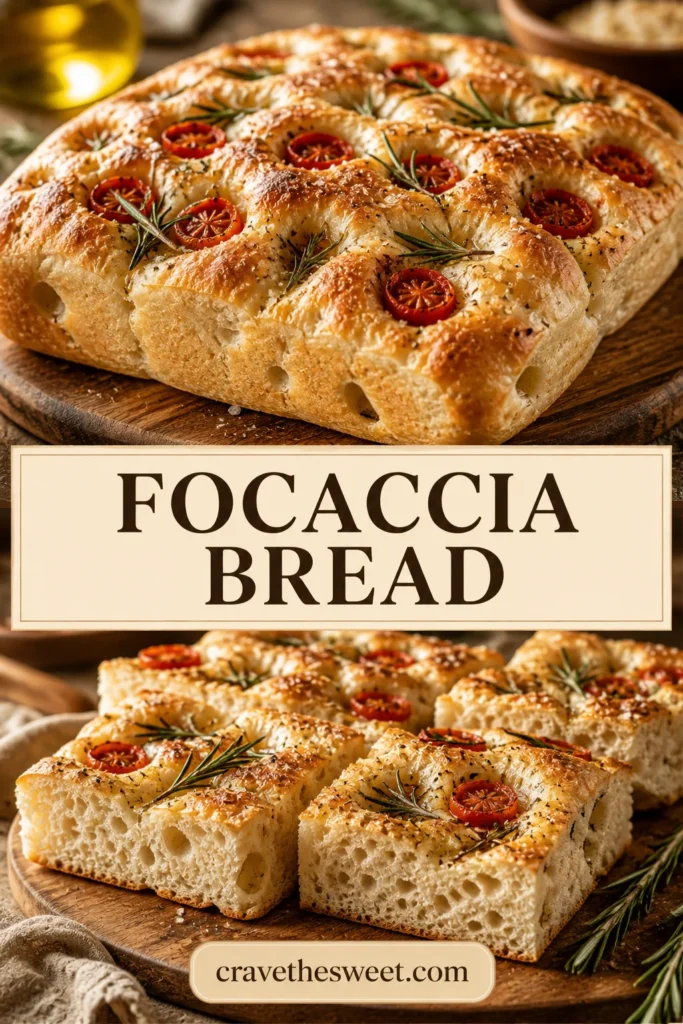
What I especially love about focaccia bread is that you do not need perfect baking skills. The dough can look rustic, and the finished bread still comes out beautiful. Those little dimples across the top hold olive oil and create wonderfully crispy edges while the inside stays light and fluffy.
If you are new to homemade bread, this is a great recipe to start with. The dough is forgiving, the steps are simple, and the result is incredibly satisfying.
Why You’ll Love It
There are so many reasons to make focaccia bread at home.
First, the ingredients are simple and easy to find. You do not need special bread-making equipment or complicated techniques. A mixing bowl, baking pan, and your hands are enough.
Second, focaccia bread has an amazing texture. The outside becomes golden and lightly crisp while the middle remains soft, airy, and chewy. Olive oil gives the bread a rich flavor that makes every bite delicious.
It is also easy to customize. You can keep it simple with olive oil and sea salt or add herbs, garlic, tomatoes, onions, olives, or other toppings you enjoy.
Another reason I love this recipe is that it makes the kitchen smell wonderful. The aroma of freshly baked bread and olive oil is warm, comforting, and inviting.
What Is It?
Focaccia bread is a traditional Italian-style flatbread known for its soft, airy texture, olive oil flavor, and signature dimples. The dough is usually allowed to rise before being gently spread into a generously oiled baking pan.
Before baking, fingers are pressed into the dough to create small pockets across the surface. These dimples are one of the most recognizable features of focaccia bread. They also help hold olive oil and toppings.
The bread is generally baked until the top is golden brown and the edges are crisp. It can be enjoyed warm from the oven, sliced for sandwiches, served alongside dinner, or eaten as a simple snack.
Common Mistakes
Making focaccia bread is beginner-friendly, but a few common mistakes can affect the final texture.
Using water that is too hot: Very hot water can damage the yeast. Use comfortably warm water rather than boiling or very hot water.
Not giving the dough enough time to rise: Yeast needs time to work. If the dough has not become noticeably larger, give it more time instead of rushing to the next step.
Adding too much flour: A sticky dough is normal. Adding excessive flour can make the finished focaccia bread dense instead of light and airy.
Using too little olive oil: Olive oil is an important part of the texture and flavor. Be generous when oiling the pan and drizzling the top.
Handling the dough too roughly: Once the dough has risen, gently stretch it into the pan. Avoid pressing all the air out.
Skipping the dimples: Pressing your fingertips into the dough creates those classic pockets and helps distribute the olive oil across the surface.
How to Know It’s Done
Knowing when focaccia bread is ready is easier than it may seem.
Look for a deeply golden surface, especially around the edges. The top should appear baked and slightly crisp, while the bread should feel firm enough to hold its shape.
You can gently tap the top. It should sound somewhat hollow rather than wet or heavy.
If you are unsure, carefully lift one edge of the bread. The bottom should be golden and baked rather than pale and doughy.
Avoid taking it out too early. An underbaked center can feel gummy, even if the top looks beautifully browned. Let the bread bake until the center is fully cooked and the surface has developed a lovely golden color.
What to Serve With It
Focaccia bread is incredibly versatile.
For breakfast or brunch, serve warm slices with scrambled eggs, cheese, or fresh fruit. A simple drizzle of olive oil can also make a delicious snack.
For lunch, use thick slices to make sandwiches. The soft texture works well with chicken, turkey, roasted vegetables, cheese, or fresh greens.
At dinner, serve focaccia bread alongside pasta, soup, roasted vegetables, or grilled meats. It is especially good for soaking up flavorful sauces and dressings.
You can also cut it into small squares and serve it as an appetizer with olive oil for dipping.
For extra flavor, try topping your bread with rosemary, garlic, cherry tomatoes, sliced onions, olives, or flaky salt before baking.
Storage Tips
Fresh focaccia bread is best on the day it is baked, especially while it is still slightly warm.
If you have leftovers, allow them to cool completely before storing them. Place the bread in an airtight container or wrap it well to help prevent it from drying out.
At room temperature, it is generally best enjoyed within a couple of days.
For longer storage, focaccia bread can be frozen. Cut it into individual pieces and wrap them tightly before placing them in a freezer-safe bag or container.
When you are ready to enjoy it, thaw the pieces and warm them in the oven. Reheating helps bring back some of the soft texture and crisp edges.
Estimated Nutrition
The nutrition will vary depending on the exact ingredients, serving size, and amount of olive oil used. As a general estimate, one piece may contain approximately:
- Calories: 220–250
- Carbohydrates: 35–40g
- Protein: 5–6g
- Fat: 7–9g
- Fiber: 1–2g
- Sodium: 300–400mg
These numbers are estimates rather than exact nutritional values.
Recipe Overview
- Prep Time: 20 minutes
- Rise Time: About 1½ to 2 hours
- Cook Time: 25–30 minutes
- Total Time: About 2½ hours
- Difficulty: Easy
- Servings: 10–12 pieces
Ingredients
For this easy focaccia bread recipe, you will need:
- 4 cups all-purpose flour
- 2 teaspoons instant yeast
- 1½ teaspoons salt
- 1¾ cups warm water
- ¼ cup olive oil, plus more for the pan and topping
- 1 teaspoon honey or sugar
- 1 teaspoon dried rosemary or 1 tablespoon fresh rosemary
- Flaky salt, for topping
The ingredients are simple, but each one has an important job. Flour provides structure, yeast helps the dough rise, and water brings everything together. Olive oil adds moisture, richness, and flavor.
Honey or sugar gives the yeast a little help and adds a subtle balance to the dough. Rosemary and flaky salt give the finished focaccia bread its classic savory character.
Step-by-Step Instructions
1. Prepare the Yeast Mixture
Add the warm water to a large mixing bowl. Stir in the honey or sugar and yeast. Let the mixture sit for a few minutes.
If you are using instant yeast, it does not need a long activation period, but allowing it to sit briefly is an easy way to begin the process.
2. Mix the Dough
Add the flour and salt to the bowl. Pour in the olive oil and mix everything together with a wooden spoon or your hands.
The dough should look sticky and shaggy. Do not worry if it does not look smooth at this stage.
The key to great focaccia bread is keeping enough moisture in the dough. Resist the temptation to add lots of extra flour.
3. Develop the Dough
Use your hands to gently bring the dough together. You can stretch and fold it several times inside the bowl.
Pull one side of the dough upward and fold it toward the center. Turn the bowl and repeat a few times.
The dough will gradually become smoother and more elastic.
4. Let It Rise
Cover the bowl with a clean towel or plastic wrap. Leave it in a warm, draft-free place until the dough has increased significantly in size.
This usually takes around 1 to 1½ hours, although the exact time depends on the temperature of your kitchen.
Do not focus only on the clock. Look at the dough. It should appear puffy and airy.
5. Prepare the Baking Pan
Generously coat a baking pan with olive oil.
Pour or transfer the risen dough into the pan. Use lightly oiled hands to gently stretch the dough toward the corners.
If the dough keeps pulling back, let it rest for several minutes and then try again. This gives the gluten time to relax.
6. Let It Rise Again
Cover the pan loosely and allow the dough to rest again for about 20–30 minutes.
This second rise helps create the light, airy texture that makes focaccia bread so enjoyable.
7. Make the Dimples
Preheat your oven to 425°F (220°C).
Drizzle olive oil generously over the top of the dough. Then gently press your fingertips into the surface, creating deep little dimples across the entire loaf.
Do not press all the way through the dough. You simply want to create pockets.
Sprinkle the top with rosemary and flaky salt.
8. Bake
Place the pan in the preheated oven and bake for about 25–30 minutes.
The exact baking time will depend on your oven and the thickness of the dough. Watch for a beautiful golden-brown surface and crisp edges.
The smell will also be a good clue. When the kitchen starts filling with the aroma of olive oil, herbs, and freshly baked bread, you are getting close.
9. Cool Slightly
Remove the focaccia bread from the oven and let it cool for several minutes.
If desired, brush or drizzle a little more olive oil over the top while it is still warm.
Use a sharp knife or pizza cutter to divide the bread into squares or rectangles.
10. Serve
Serve your homemade focaccia bread warm or at room temperature.
The first bite should give you a combination of crisp edges, a flavorful golden top, and a soft, airy center. That contrast is what makes homemade focaccia so special.
Helpful Tips for the Best Results
For the best focaccia bread, do not be afraid of sticky dough. A wetter dough usually helps create a softer and airier loaf.
Use good-quality olive oil because its flavor will be noticeable in the finished bread. Make sure the baking pan is well coated so the bottom becomes beautifully golden and crisp.
Give the dough enough time to rise. Yeast works at its own pace, and a little extra patience can make a big difference.
Finally, enjoy the process. Focaccia bread is meant to look rustic and homemade. It does not need to be perfectly shaped to be delicious.
Once you make this easy recipe, you may find yourself baking it whenever you want something warm, comforting, and homemade. With its crisp golden top, fluffy center, fragrant herbs, and rich olive oil flavor, focaccia bread is an easy addition to almost any meal.